Get your free personalized podcast brief
We scan new podcasts and send you the top 5 insights daily.
While powerful drugs effectively shrink tumors, the response pattern can be a "splatter" rather than a uniform deflation. This creates a significant surgical challenge, making it difficult to define clear margins for breast-conserving surgery and potentially necessitating a more extensive operation despite a good therapeutic response.

Related Insights
As neoadjuvant enfortumab vedotin plus pembrolizumab (EVP) achieves high pathologic complete response rates in MIBC, a critical question emerges: is adjuvant EVP necessary for everyone? Continuing treatment in patients who are already cancer-free post-surgery may offer no extra benefit while increasing toxicity.

As neoadjuvant therapies become more potent, they create complex post-treatment tissue changes. This makes it incredibly difficult for pathologists—the ultimate arbiters of treatment success—to assess residual disease and surgical margins, leading to significant interpretation variability that directly impacts subsequent patient care.
A major diagnostic challenge in bladder-sparing therapy for T4 tumors is the "fibrotic scar." When a large tumor responds to therapy, it leaves behind fibrotic tissue that is indistinguishable from residual cancer on an MRI, making it nearly impossible to confirm a true complete response.

Hormone receptor-positive (HR+) HER2+ breast cancers often show lower rates of pathologic complete response (pCR) to pre-surgical therapy. This is due to their slower-growing biology, not treatment ineffectiveness. Clinicians should recognize this nuance and not assume a worse prognosis based on pCR alone in this subtype.
The core conflict in choosing breast cancer therapy is whether to prioritize immediate tumor shrinkage (pathological complete response) or long-term cure (event-free survival). One trial (DB11) excels at shrinkage but isn't designed to prove survival, while another (DB05) proves survival, crystallizing a fundamental debate about clinical trial endpoints and treatment goals.
With 72% response rates to neoadjuvant immunotherapy, surgeons are shifting from immediate, aggressive surgery to a "wait-and-see" approach. Shrinking the tumor first can turn a morbid, disfiguring operation into a much simpler procedure, fundamentally changing the initial surgical evaluation for cutaneous squamous cell carcinoma (CSCC).
In neoadjuvant therapy, a patient's long-term outcome is better predicted by stopping tumor DNA shedding (ctDNA clearance) than by achieving pathologic complete response (pCR), the traditional gold standard. This redefines what constitutes a successful treatment response before surgery.
In a neoadjuvant cemiplimab trial, only 6% of patients had a complete response based on radiographic imaging (RECIST criteria), yet 50% achieved a pathologic complete response. This major discrepancy shows clinicians should not rely solely on scans to assess treatment benefit before surgery.

The high efficacy of neoadjuvant TDXD in high-risk HER2+ breast cancer presents a compelling argument to avoid initial surgery for patients with reasonably sized tumors. There is currently no data to support using adjuvant TDXD for patients who undergo surgery first.
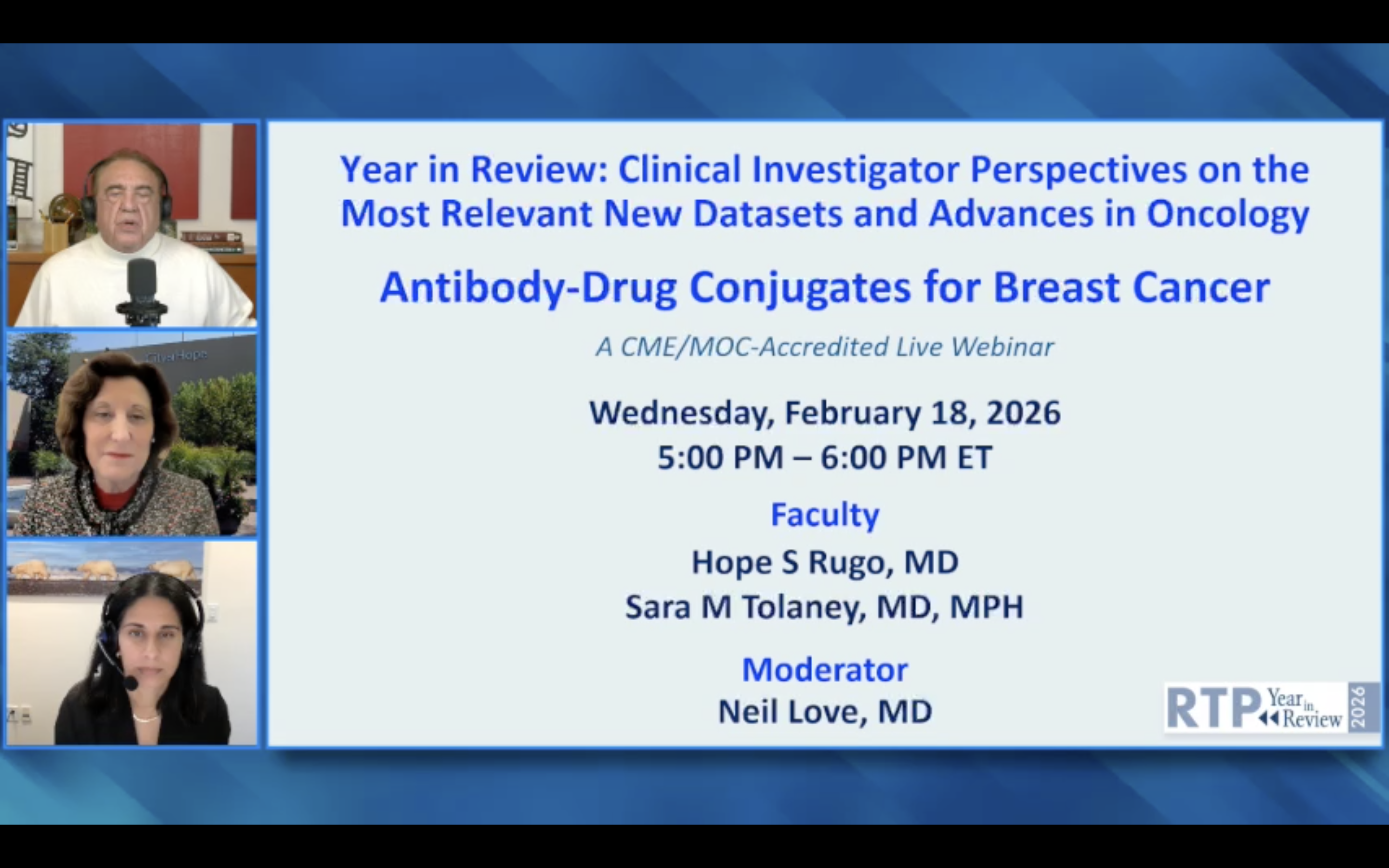
A contrarian viewpoint, dubbed the "Gillison Paradox," argues that patients achieving a complete response are precisely the ones who should receive more therapy. Their strong response indicates drug sensitivity, making it logical to continue treatment to eradicate any remaining micrometastatic disease, rather than de-escalating.