Get your free personalized podcast brief
We scan new podcasts and send you the top 5 insights daily.
Shopify's COO argues AI tools enable professionals to rapidly gain deep expertise in multiple domains, shifting the ideal employee profile from a single-specialty 'T-shape' to a multi-specialty 'X-shape'. This allows for more dynamic team composition and faster problem-solving across functional boundaries.

Related Insights
Previously, teams needed specialists ('ammunition') to execute tasks. With AI copilots, a single, high-agency individual ('barrel') can now build entire products. This changes hiring strategy to prioritize resourceful generalists who can leverage AI to knock down doors and get things done independently.

AI assistants empower engineers to tackle tasks outside their core expertise, expanding their capabilities from a single deep specialty ('T-shaped') to multiple areas of depth. This allows for more versatile, self-sufficient team members who can manage broader responsibilities.

The era of hyper-specialization, where individuals had narrow roles, is ending. AI empowers generalists who can handle tasks across disciplines. Future job titles will become broader, with a single 'Product' role covering product management, design, and engineering.

Netflix's CPTO observes that the value of narrow, deep specialization is declining. While still crucial for certain niche technologies, the preference is shifting toward adaptable generalists who can work across functions and stacks. The modern mindset is "I can learn that quickly" rather than sticking to one expertise.
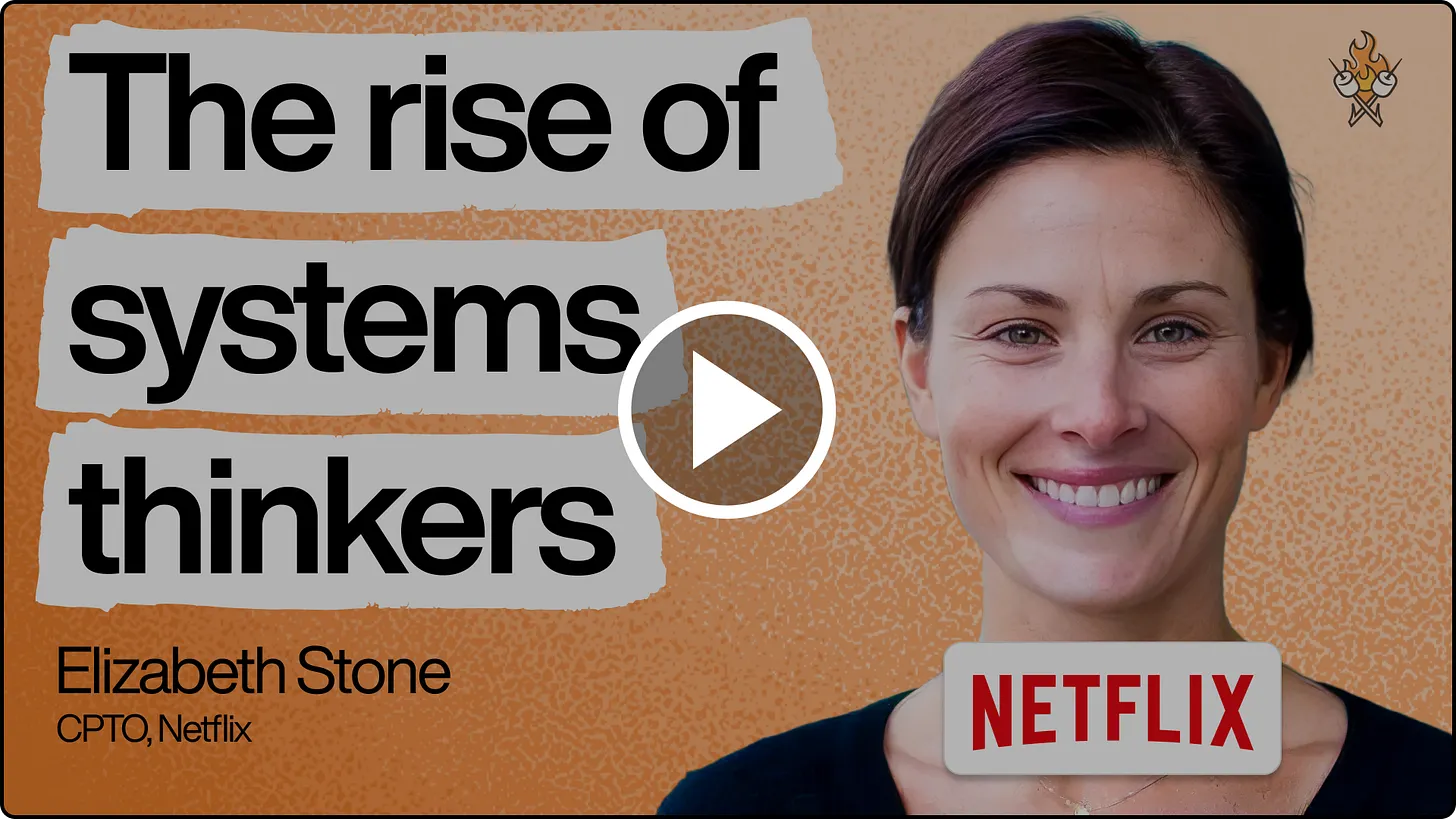
The traditional tech team structure of separate product, engineering, and design roles is becoming obsolete. AI startups favor small teams of 'polymaths'—T-shaped builders who can contribute across disciplines. This shift values broad, hands-on capability over deep specialization for most early-stage roles.

AI reverses the long-standing trend of professional hyper-specialization. By providing instant access to specialist knowledge (e.g., coding in an unfamiliar language), AI tools empower individuals to operate as effective generalists. This allows small, agile teams to achieve more without hiring a dedicated expert for every function.

The most critical skill in the AI era is no longer narrow specialization but versatile business acumen. As AI handles specialized tasks, human value shifts to orchestrating multiple AI agents across functions. This requires a holistic understanding of the entire business 'symphony' to guide the agents effectively.

Rather than just benefiting specialists, AI provides the greatest leverage to generalists. It allows individuals to translate their knowledge work across different domains and artifacts—from writing a document to building an application—dramatically increasing their scope and impact without deep specialization in each area.
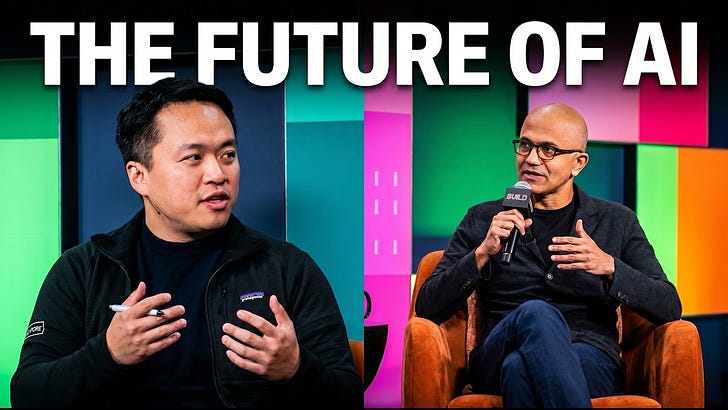
Top engineers are no longer just coding specialists. They are hybrids who cross disciplines—combining product sense, infrastructure knowledge, design skills, and user empathy. AI handles the specialized coding, elevating the value of broad, system-level thinking.

As AI masters specialized knowledge, the key human advantage becomes the ability to connect ideas across different fields. A generalist can use AI as a tool for deep dives on demand, while their primary role is to synthesize information from multiple domains to create novel insights and strategies.
