Get your free personalized podcast brief
We scan new podcasts and send you the top 5 insights daily.
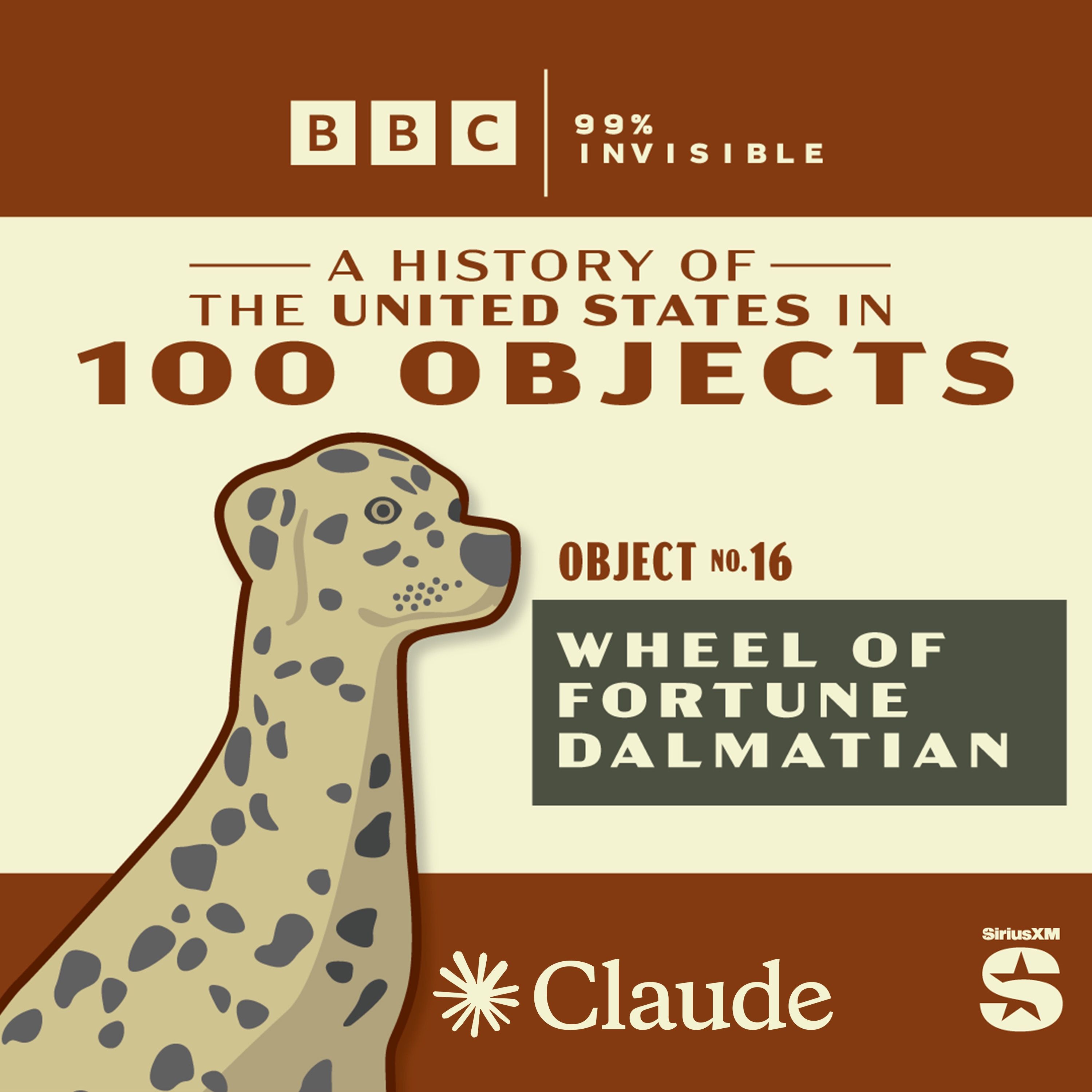
A peculiar phenomenon occurred where the studio audience would erupt in applause when a contestant bought the cheap ceramic dalmatian, but remained quiet for far more valuable prizes. This celebrated the object's ironic status as a beloved, shared cultural joke.
Related Insights
The shift to giving away merchandise like refrigerators on game shows wasn't just about viewer fantasy. It was a direct marketing strategy by manufacturers to announce that factories were "up and running full speed again" and to stimulate post-war consumer demand.
Merv Griffin's original concept for Wheel of Fortune was simply Hangman with a prize wheel. The famous "shopping round" was a change forced by an NBC executive to broaden appeal to a female audience. Griffin disliked the tweak but agreed to get the show on air.
Flamingo Estate ran an outdoor ad campaign referencing now-closed, iconic LA clubs. While most viewers might not get the reference, the campaign creates an incredibly strong bond with the specific group that does, turning mass media into an intimate "if you know, you know" signal.

People are wary when AI replaces or pretends to be human. However, when AI is used for something obviously non-human and fun, like AI dogs hosting a podcast, it's embraced. This strategy led to significant user growth for the "Dog Pack" app, showing that absurdity can be a feature, not a bug.

The earliest known joke, traced to Assyrian cuneiform, is simply "a dog walks into a bar," with no punchline. The humor is not in a witty ending but in the absurdity of the premise itself. This highlights that humor's fundamental power lies in subverting established norms and expectations.
A joke is incomplete without an audience's laughter. This makes the audience the final arbiter of a joke's success, a humbling reality for any creator. You don't get to decide if your work is funny; the audience does. Their reaction is the final, essential component.

Fictional characters like Snoopy or Big Bird are inherently safer investments than athletes or celebrities. They cannot get injured, get "canceled" for a controversial comment, or otherwise diminish their brand value through unpredictable human behavior, making them stable, long-term holds.

The U.S. penny was discontinued because it cost four cents to produce one. However, its significance extended far beyond its monetary value, becoming deeply embedded in cultural idioms ('a penny for your thoughts'), products ('penny loafers'), and daily life. This illustrates how an object's societal resonance can be disconnected from its economic utility, making its removal complex.
The surprising correlation between the McDonald's McRib being on the menu and higher returns in both the S&P 500 and Bitcoin demonstrates how unconventional, even humorous, cultural events can function as market signals. This highlights the narrative-driven and sometimes irrational nature of financial markets and investor sentiment.
The popular but functionless ceramic dalmatian served as a microdose of the American Dream. It symbolized having enough financial security that all essentials are met, granting the freedom to spend money on ostentatious, purposeless items just for the sake of having them.