Get your free personalized podcast brief
We scan new podcasts and send you the top 5 insights daily.
As an operator, the goal is to reduce variables and create predictable systems. Agarwal explains that applying this mindset as an early-stage investor is detrimental, as it leads to rejecting messy but high-potential opportunities. Investing requires embracing uncertainty and focusing on founder talent.
Related Insights
Venture capitalists analyze risk and probability to make investment decisions, similar to a coach picking a team. In contrast, company operators are actively "on the playing field," designing programs and strategies to manage and overcome those same risks. It's a mindset shift from assessment to execution.

Rather than trying to predict which founders will succeed, veteran investor Ariel Poler optimizes for personal growth and impact. His criteria: work with good people on interesting projects where he can learn and contribute. He accepts that many will fail, viewing the experience and relationships as valuable outcomes.

The hardest transition from entrepreneur to investor is curbing the instinct to solve problems and imagine "what could be." The best venture deals aren't about fixing a company but finding teams already on a trajectory to succeed, then helping change the slope of that success line on the margin.

The common trope of the risk-loving founder is a myth. A more accurate trait is a high tolerance for ambiguity and the ability to make decisions with incomplete information. This is about managing uncertainty strategically, not consistently making high-stakes bets that endanger the entire enterprise.

In early-stage investing, the quality of the founder can be more important than the initial business concept. A strong founder is seen as someone who will eventually find success, even if the first idea requires a pivot.
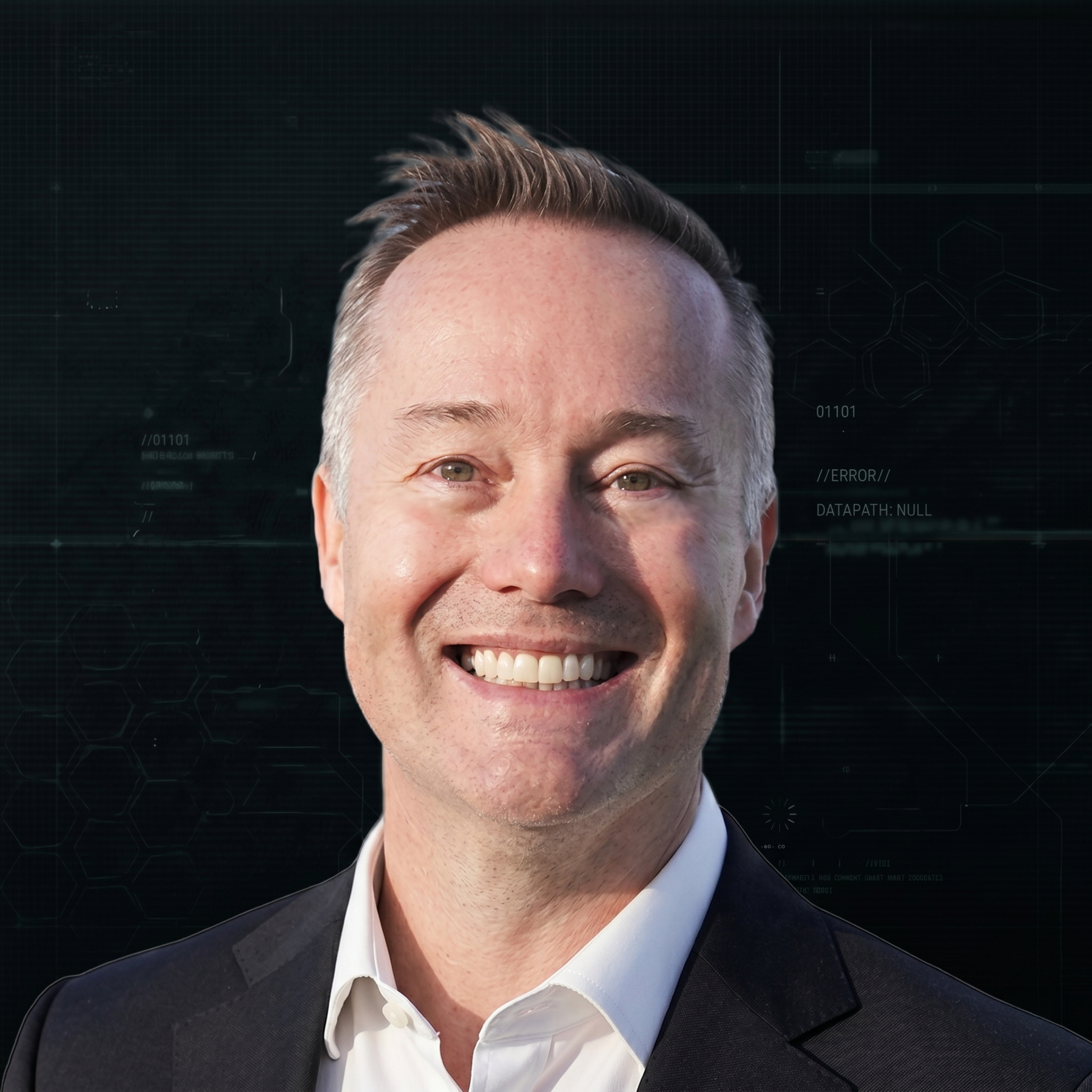
Lior Susan highlights the biggest mental hurdle for former operators becoming VCs: internalizing the power law. Operators are builders wired to fix problems and believe they can turn any situation around. In VC, success is driven by a few massive outliers, requiring focus on winners, not on fixing every company.
The transition from a C-suite operator managing thousands to an investor is jarring. New VCs must adapt from leading large teams to being individual contributors who write their own memos and do their own sourcing. This "scaling down" ability, not just prior success, predicts their success as an investor.
To become a truly great investor, you must first experience the chaos of being a business operator. Running different types of companies, including failures, builds the firsthand knowledge and intuition needed to accurately assess the quality and risks of a potential investment.

A critical mistake for investors who are also skilled operators is approving an investment because they love the idea and can see how they would execute it. They mistakenly project their own operational capabilities onto the founder, who may not possess them, leading the investment to fail despite a good idea.

A common mistake for VCs, especially those with analytical backgrounds, is over-indexing on the "what"—the business model and market. The most critical factor at the seed stage is the "who"—the founder's intrinsic motivation to "walk through walls." This is the hardest element to diligence but the most important.