Get your free personalized podcast brief
We scan new podcasts and send you the top 5 insights daily.
With over half its adult population overweight, Beijing treats obesity as a national threat requiring state intervention. This framing justifies institutional solutions like military-style "fat prisons" and nationwide weight management campaigns, viewing the problem through its impact on healthcare costs and national productivity.

Related Insights
This framework contrasts China's top-down, control-oriented approach (e.g., one-child policy, zero-COVID) with the American focus on individual rights and legal process, explaining their divergent development paths and societal structures.
The obesity crisis is a systemic issue, not an individual failing. The modern food environment promotes overconsumption of unhealthy foods. Critically, the U.S. agricultural system does not even produce enough fruits and vegetables for the population to follow recommended dietary guidelines.

China's immense state capacity allows for rapid infrastructure development but also enables disastrous national policies like the one-child policy or Zero-COVID. Unlike the deliberative U.S. system, China's efficiency means that when it goes off track, it can go catastrophically off track before any course correction is possible.
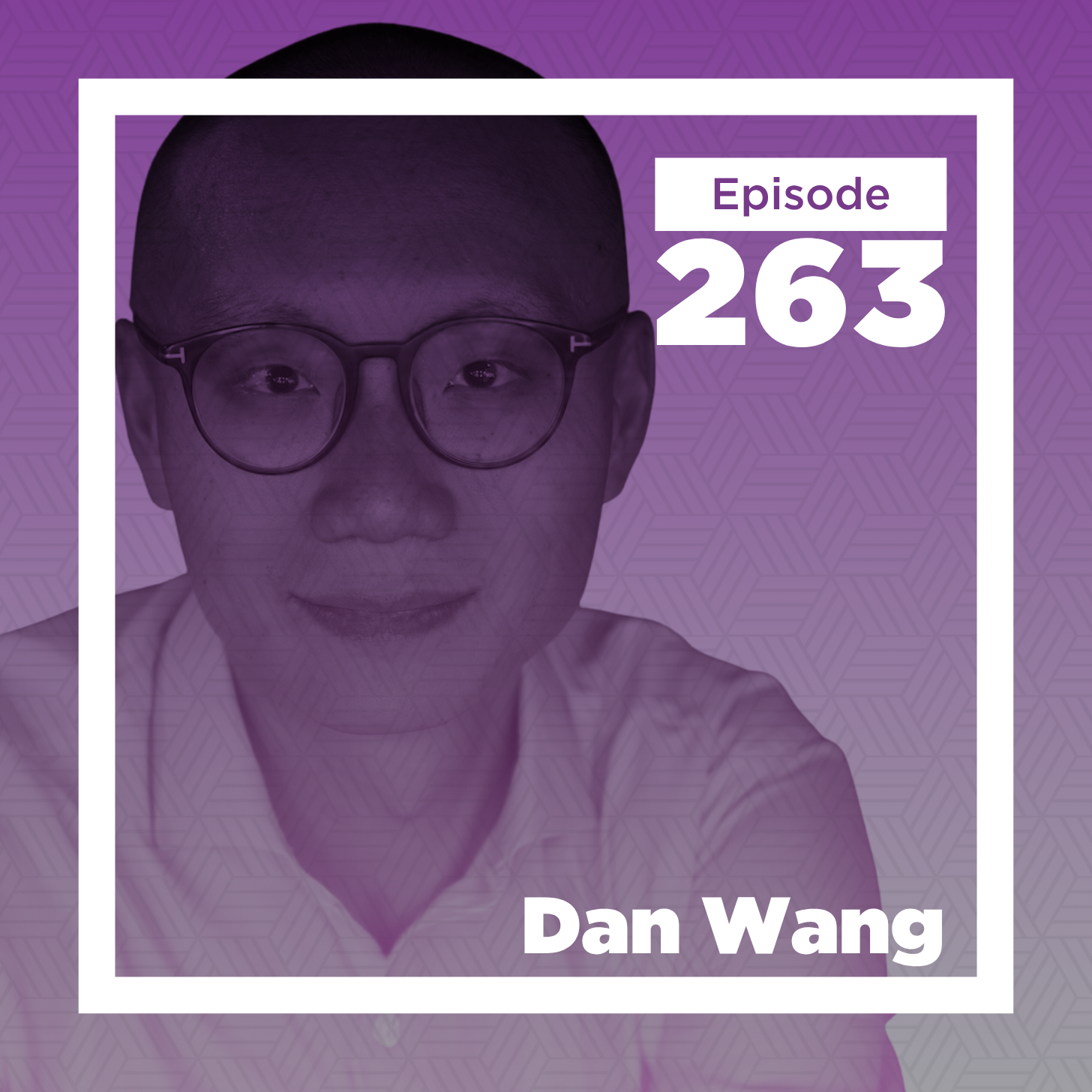
![Dan Wang - The US vs China In The 21st Century - [Invest Like the Best, EP.444] thumbnail](https://megaphone.imgix.net/podcasts/e1599a88-a9f6-11f0-b532-e3695bb27d60/image/0f5c07552cef2689e5834d56786ad6f1.jpg?ixlib=rails-4.3.1&max-w=3000&max-h=3000&fit=crop&auto=format,compress)
China's "engineering state" mindset extends beyond physical projects to social engineering. The Communist Party treats its own people as a resource to be moved or molded—whether displacing a million for a dam or enforcing the one-child policy—viewing society as just another material to achieve its objectives.
Stating data like '30 grams of saturated fat' is ineffective because it lacks context. To create impact, translate abstract numbers into concrete, relatable comparisons. The message became powerful when reframed as 'more fat than a breakfast, lunch, and dinner of greasy foods combined,' which prompted public outrage and industry change.
The burgeoning market for GLP-1 drugs in China is not limited to humans. Companies are already seeking regulatory approval for veterinary versions to manage weight in pets, particularly cats. This niche market signals a significant cultural shift towards humanizing pets and spending heavily on their healthcare in modern China.
The conversation frames GLP-1 weight-loss drugs not merely as a healthcare breakthrough but as a potential moonshot for the national economy. A mass government rollout could drastically reduce healthcare costs, improve mental health, and boost productivity, representing a powerful tool for social and economic policy with far-reaching ramifications.

Widespread obesity costs the U.S. hundreds of billions annually. A federal program to negotiate and subsidize GLP-1 drugs to a low monthly cost would be an incredibly effective investment, yielding massive returns in improved public health, productivity, and reduced healthcare spending.

In a clear signal of its pro-natalist policy, the Chinese government is ending a 33-year tax exemption on contraceptives while simultaneously making matchmaking services tax-free. This carrot-and-stick approach aims to socially engineer a higher birth rate to combat its demographic crisis.

China has over 60 GLP-1 weight-loss drug candidates in late-stage trials. This impending wave of domestic production is expected to trigger a fierce price war, drastically lowering costs. The likely result is a global flood of affordable Ozempic-style drugs, challenging the dominance of Western pharmaceutical companies.