Get your free personalized podcast brief
We scan new podcasts and send you the top 5 insights daily.
For Serena & Lily, an online-first brand, opening their first physical store was less about revenue and more about brand articulation. It was the first time they could see their products collected in one space, allowing them to define and build the brand's "mood and ethos."

Related Insights
Instead of viewing physical locations as the primary growth engine, reframe them as brand "touchpoints" or destinations. They build customer trust and awareness that feeds a more scalable e-commerce or wholesale business, which becomes the true engine for national growth.
Digitally-native baby registry Babylist is opening physical stores not just for in-person sales, but as influencer-ready content studios. By building stores with stages and podcast studios, they create a marketing engine that generates social media content to reach a national online audience, justifying the high cost of a physical footprint.

The brand's first retail store is used less as a sales channel and more as a community hub for fundraisers and events. This strategy builds deep brand affinity and loyalty by associating the brand with causes customers care about, shifting the focus from transactions to shared values.

A great retail experience goes beyond transactions. Successful brands like Lululemon create "retail theater" by hosting local events like yoga classes in their stores. This builds community and brand loyalty, generating higher long-term ROI than focusing purely on daily sales per square foot.

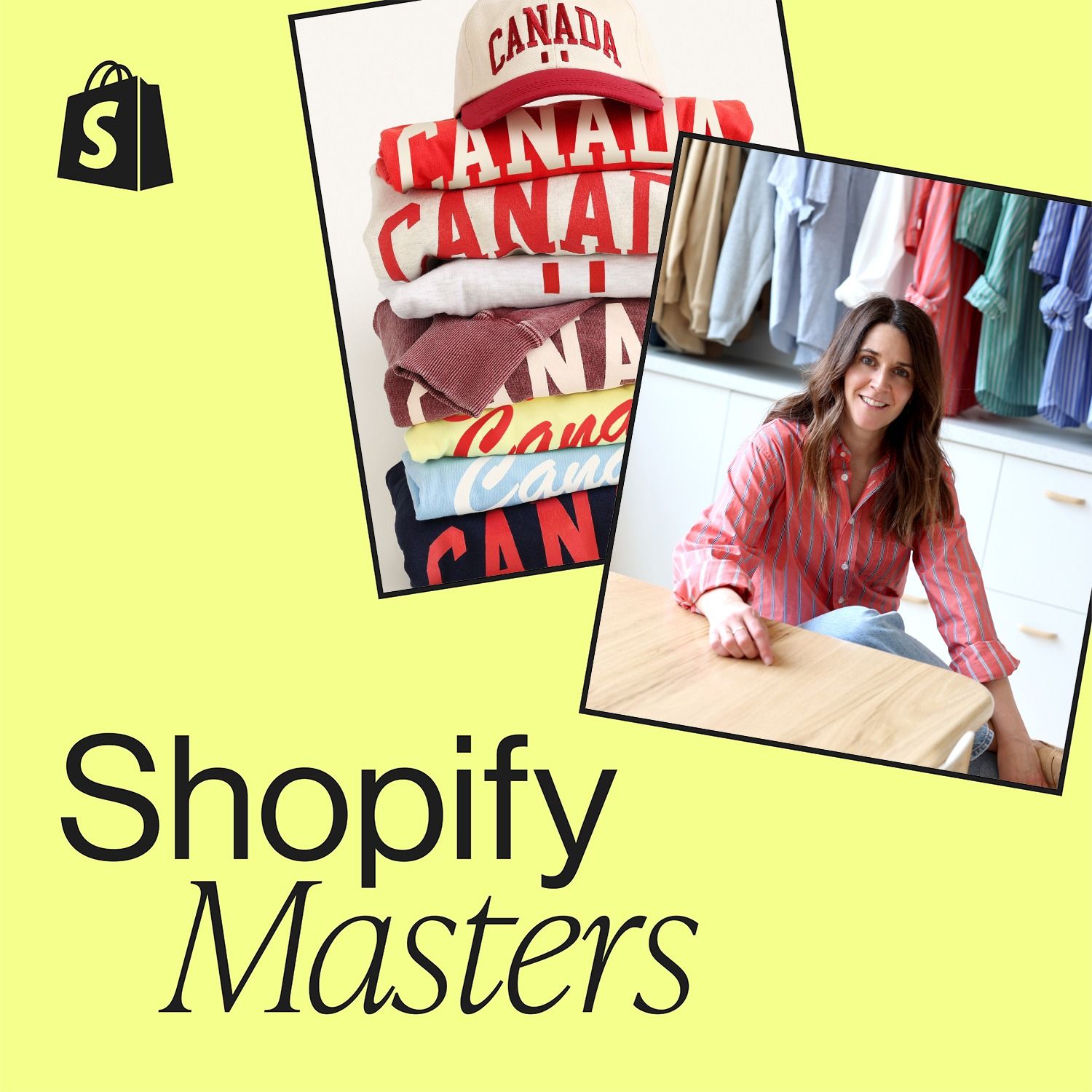
Province of Canada found their retail store didn't just add a new sales channel. It significantly boosted online orders in a radius around the location and solidified their status as a 'local business,' which was critical for surviving the pandemic through community support and curbside pickup.
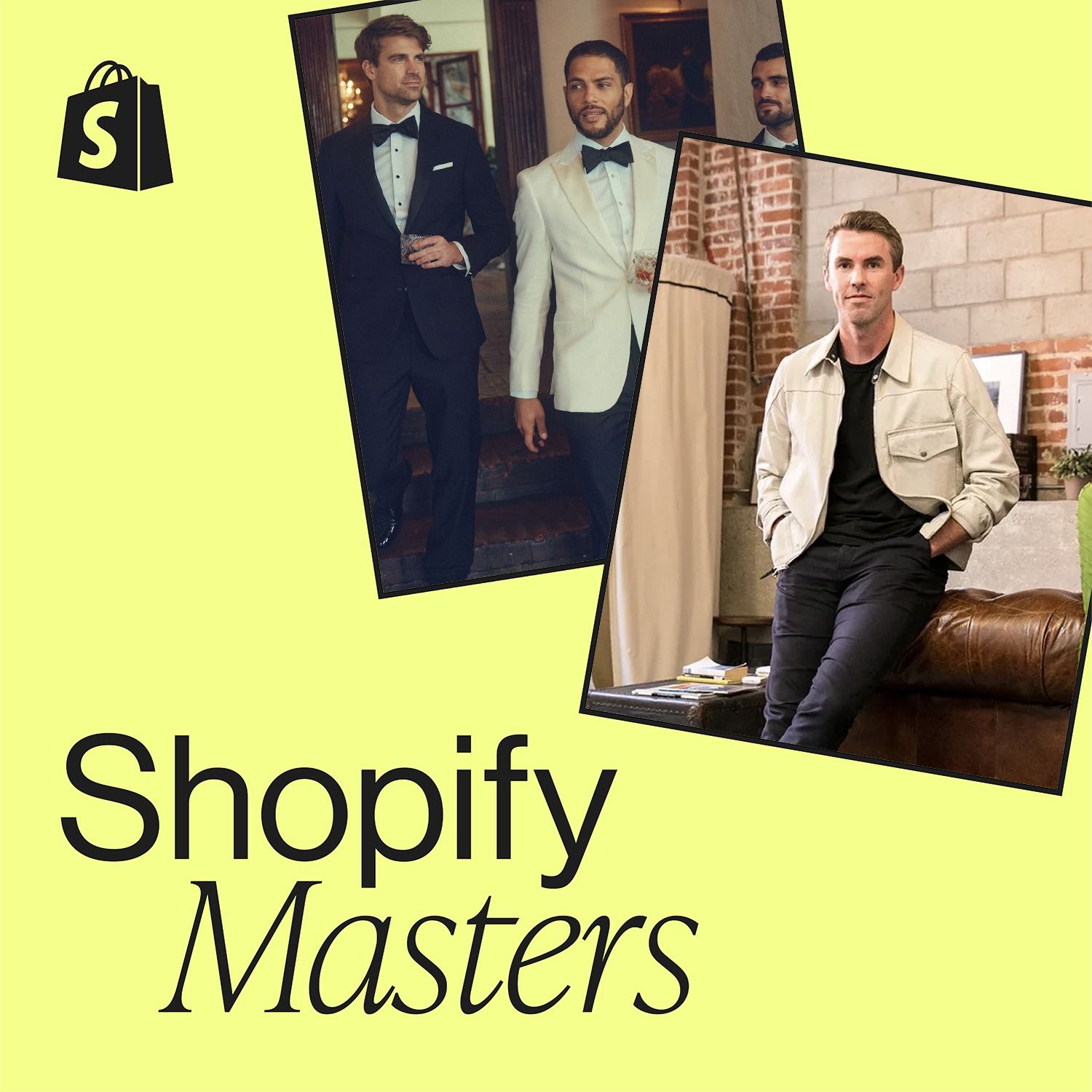
Initially envisioned as online-only, The Black Tux found that physical showrooms have extremely high conversion rates. This is not just due to touch-and-feel, but because they serve as a social destination for wedding parties (groomsmen, family) to share the experience, creating a memorable brand interaction.
Coterie treats its physical retail presence not just as a sales channel, but as a marketing tool. A well-placed product block acts like a billboard, driving discovery and funneling 10-12% of new customers back to their primary D2C subscription business.
For premium brands like Coterie, the choice of retail partner is a branding decision. A retailer's reputation for quality reinforces the product's own values, while a poor retail environment like a messy shelf can actively dilute brand equity.
For brands with both physical and wholesale channels, physical stores should serve as marketing assets. Instead of scaling the number of locations, invest heavily in making a few stores so visually appealing and experience-driven that customers are compelled to share on social media, generating free buzz.
Kenneth Cole opened physical stores not necessarily for profit, but to control his brand's narrative completely. A brick-and-mortar location acts as a marketing vehicle, creating an immersive experience that tells the brand story on its own terms, a feat impossible in a multi-brand department store.