Get your free personalized podcast brief
We scan new podcasts and send you the top 5 insights daily.
When trailing competitors, companies like Meta (in AI) or Google (with Android) use open-source strategies to accelerate adoption. Once a dominant market position is established, as with Facebook's social graph or the iPhone, the tendency is to create a closed, proprietary ecosystem.

Related Insights
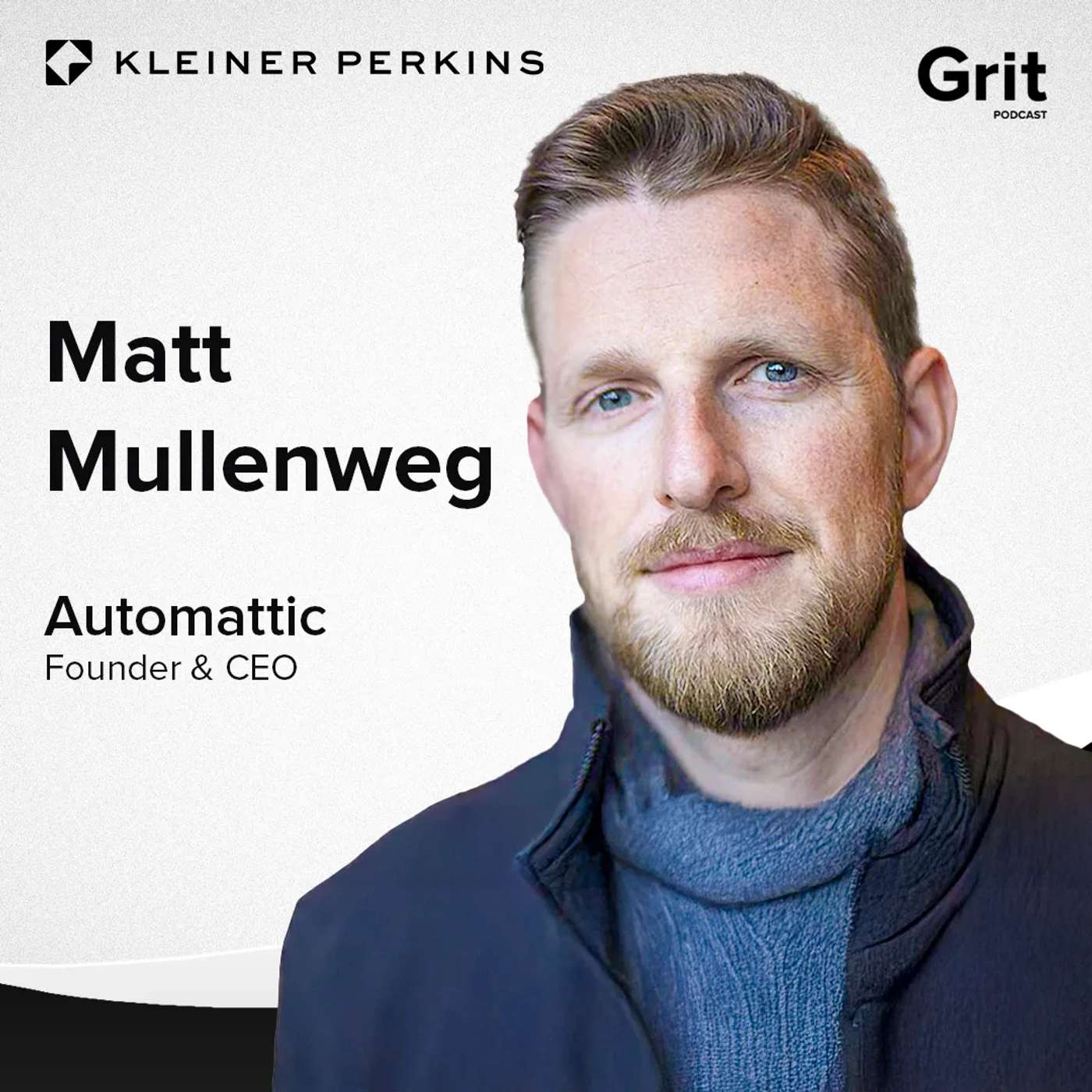
Matt Mullenweg observes a predictable cycle where technology swings from open to proprietary and back. When proprietary systems become too profitable and user-hostile, it creates a market opportunity for open-source alternatives to emerge and capture disillusioned customers.
Venture capitalist Bill Gurley posits that Google's most effective remaining move in the AI race is to abandon a purely proprietary approach. Instead, he suggests they should fully embrace and lead the open-source model ecosystem, replicating their successful Android and Kubernetes playbooks to rally the community against closed competitors.

History in tech shows that open systems like Linux and Android tend to defeat closed ones. The same dynamic is playing out in AI. Open-source models will likely win long-term because they optimize for widespread adoption and rapid innovation, while closed models focus on maximizing short-term profits within a ring-fenced environment.

The letter signed by Meta and NVIDIA isn't just about innovation; it's a strategic move to prevent closed-source leaders like OpenAI from cornering the market. Signatories have a vested economic interest in ensuring an open-weight ecosystem thrives, preventing all customer revenue from flowing to proprietary models.

Contrary to past momentum, the most advanced AI startups are increasingly adopting and fine-tuning open-source models. This shift is driven by the need for cost-effective speed and deep customization as their workloads mature and scale.
China is pursuing an open-source AI strategy analogous to how Google's Android created an alternative to Apple's closed iOS. By fostering a broad ecosystem, they aim to achieve mass market penetration and compete with dominant, closed-source US models, even with hardware constraints.

Kubernetes was deliberately open-sourced because, as an underdog to AWS, a Google-exclusive product would be ignored by the market majority. Open sourcing allowed them to engage the entire developer community, build an ecosystem, and establish thought leadership, which is a more effective strategy than locking down tech when you aren't the market leader.

Chinese AI labs are following a playbook perfected by OpenAI. They initially release open-source models to attract developers and accelerate learning. Once they approach the performance of frontier models, they switch to a closed-source strategy to monetize and capture the value.

The AI market will likely split along the lines of the smartphone industry. Closed, frontier models (OpenAI, Anthropic) will be like iOS—premium, high-margin, and dominant in the US. Open-source models will act as Android, capturing the vast majority of global users through lower costs and greater flexibility.

Meta's shift to a closed model with Muse Spark was a predicted outcome. The strategy was self-serving, designed to commoditize complements while it was cheap. As training CapEx and the value of proprietary data grew, abandoning open-source for a profitable, closed model became inevitable for Meta to see a return on investment.