Get your free personalized podcast brief
We scan new podcasts and send you the top 5 insights daily.
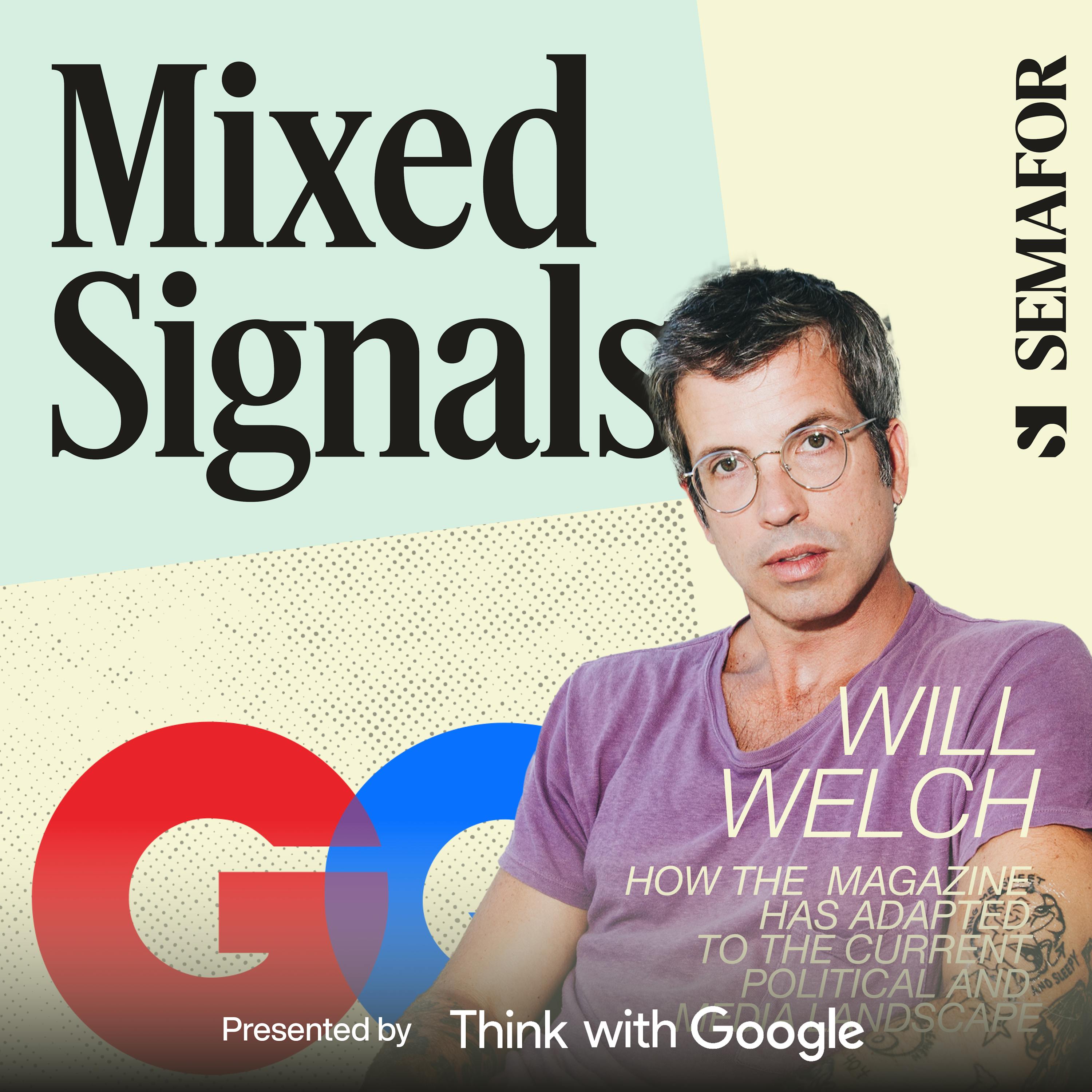
According to GQ's editor, the most fruitful celebrity features involve talent who actively co-create. He highlights Robert Pattinson, who brings his own "freaky ideas" and even introduces new collaborators to the magazine. This turns a standard photoshoot into a genuine creative partnership that yields more compelling results.
Related Insights
In an age of infinite content, GQ's editor argues that to achieve cultural impact and growth, brands must be concise, declarative, and essentially "niche." He repositioned GQ from a general men's magazine to the focused "global flagship of men's fashion" to seize a specific, powerful identity in a crowded market.
Contrary to stereotypes, the best creative leaders possess a strong understanding of business mechanics. They use this knowledge not just for operational success, but as a crucial tool to protect their creative vision and build a robust, defensible enterprise.

GQ's editor-in-chief argues that content engineered by triangulating audience data often fails to connect. Instead, stories originating from a single team member's genuine passion and excitement are what truly resonate with audiences, proving that in the current media landscape, authentic quality and a strong personal voice are paramount.
Lifetime's CCO argues that creative leaders should not become pure managers. He maintains his edge and leads by example by actively participating in the creative process, from logo design to app experience concepts. He believes any creative leader who doesn't "get their hands dirty" is less trustworthy and effective.

To achieve genuine endorsements, brands must trust creators. Instead of providing rigid scripts, give them key message points and the freedom to tell the story in their own voice. This creative liberty results in more authentic advertising that resonates with the creator's audience.
Olipop only pursues celebrity partnerships after discovering the star is a genuine fan, like when Camila Cabello was repeatedly photographed with the product. The brand then creates "anti-celebrity celebrity ads," featuring the star's real family to ensure the endorsement feels authentic rather than transactional.
Will Welch, editor of the trend-focused GQ, says his key to staying relevant isn't personal coolness but a relentless focus on hiring. He seeks out young talent with surprising perspectives to continually modify and refresh the brand's voice, viewing hiring as his primary tool for maintaining cultural relevance.
During the Me Too movement, GQ's editor identified that while the culture was demanding men change, it wasn't articulating a positive path forward. GQ's strategy was to provide constructive guidance on how men could evolve, filling a crucial gap in the conversation and demonstrating brand leadership on a sensitive topic.
GQ's fast-growing events business treats physical gatherings like "Men of the Year" not as standalone parties, but as the center of a massive, integrated content operation. This ecosystem includes a month-long drumbeat of print and digital content leading up to the event, which itself becomes a major content creation moment.