Get your free personalized podcast brief
We scan new podcasts and send you the top 5 insights daily.
The Pentagon's public designation of Anthropic as a 'supply chain risk' is causing the AI company's commercial customers to question their relationships. This demonstrates how a public government dispute can inflict significant, unintended collateral damage in the private sector, regardless of the legal merits.

Related Insights
By threatening a willing partner, the DoD risks sending a message to Silicon Valley that any collaboration will lead to a loss of control, undermining efforts to recruit tech talent for national security.

Even without a formal designation, the US government's threat to label Anthropic a "supply chain risk" has triggered immediate consequences. Defense contractors are already proactively removing Anthropic's technology from their systems to avoid jeopardizing government relationships, showcasing the chilling effect of political threats on commercial adoption.
The US government labeled Anthropic a supply chain risk, threatening revenue. While Anthropic will likely win the legal case due to government overreach, the ambiguity and fear created by the designation can be weaponized by competitors and deter B2B customers, causing significant business damage regardless of the legal outcome.

The DoD's threat to place Anthropic on a supply chain risk list—a tool for foreign adversaries—introduces extreme political risk for U.S. tech companies. This tactic could scare away a generation of commercial innovators from defense contracting, harming national security.

By labeling Anthropic a "supply chain risk," the Pentagon isn't just ending its own contract. It's warning prime contractors like Lockheed Martin not to use Anthropic's AI in developing weapons systems, effectively cutting the company off from the entire defense ecosystem.

The Pentagon labeled Anthropic, an American company, a "supply chain risk"—a designation typically reserved for foreign adversaries like Huawei. This sets a precedent for using powerful economic tools to enforce compliance from domestic tech companies, chilling private sector partnerships.

The Pentagon blacklisted AI firm Anthropic after the company refused to allow its models for certain military uses. This unprecedented move against a US company is viewed as a proxy battle fought by Anthropic's competitors using government influence, setting a dangerous precedent.

The government's response to Anthropic's ethical stance wasn't just contract termination but an attempt at "corporate murder" via a "supply chain risk" designation. This precedent suggests any company disagreeing with the government on terms could face punitive, business-destroying actions, changing the risk calculus for all defense tech partners.
Senator Warner warns that the Pentagon attempting to declare US-based Anthropic a "supply chain risk" is an unprecedented move. It would grant a single government official the power to issue a "death warrant" to any major American tech company, creating a potent political weapon that could stifle innovation.
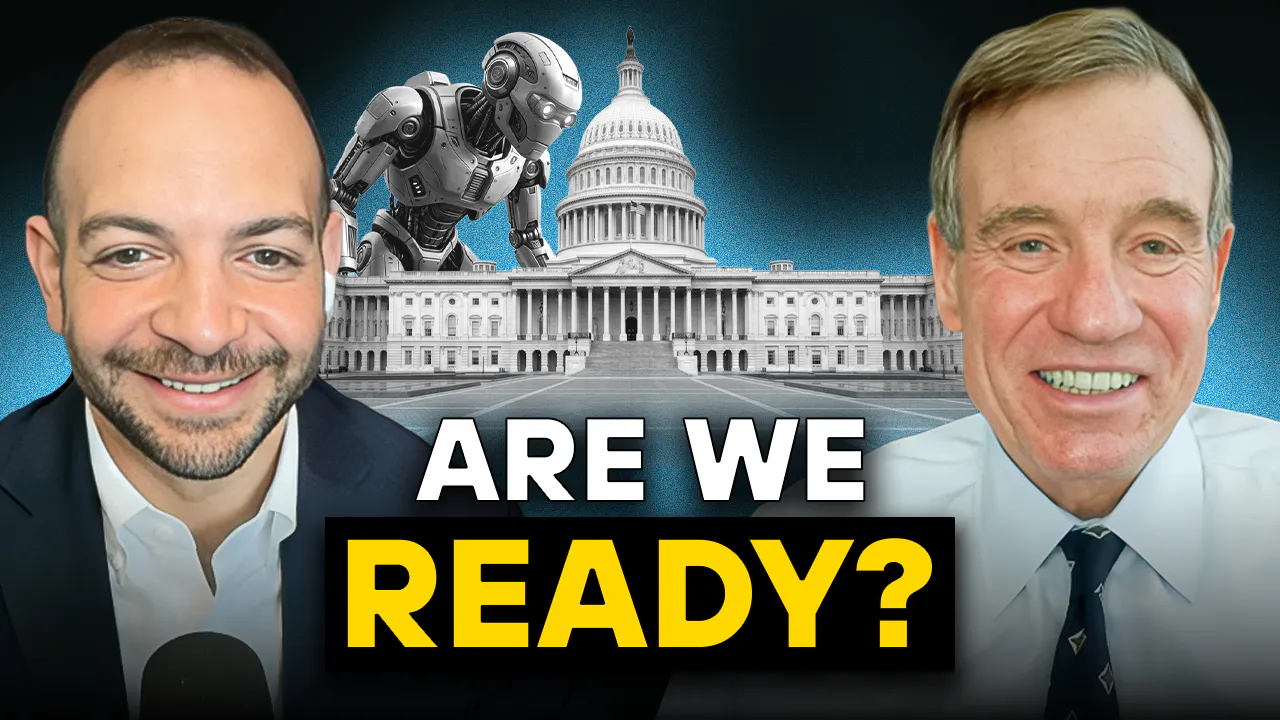
The Department of War is threatening to blacklist Anthropic for prohibiting military use of its AI, a severe penalty typically reserved for foreign adversaries like Huawei. This conflict represents a proxy war over who dictates the terms of AI use: the technology creators or the government.