Get your free personalized podcast brief
We scan new podcasts and send you the top 5 insights daily.
The vulnerability of centralized infrastructure to cyberattacks highlights the need for individual-level redundancy. Technologies like affordable "porch solar" panels with battery storage and personal water tanks create a more resilient society, distributing risk and reducing the impact of large-scale failures.

Related Insights
Beyond paying fair rates for data centers, tech giants can solve the PR and grid-load problem by creating tax-equity vehicles to fund solar panels and battery storage for local homeowners. This ensures community buy-in and builds energy resilience.

Australia is proving that distributed residential solar-plus-battery systems can significantly increase grid resilience. These networks absorb demand shocks and crush the intraday price spreads that gas-fired "peaker" plants previously exploited, reducing the country's vulnerability to global energy crises.

Technologies like local energy generation (solar), food production (vertical farming), and global communication (satellite internet) eliminate the need for centralized national infrastructure. This fundamentally shifts the locus of power from sprawling nations to self-sufficient, agile city-states.

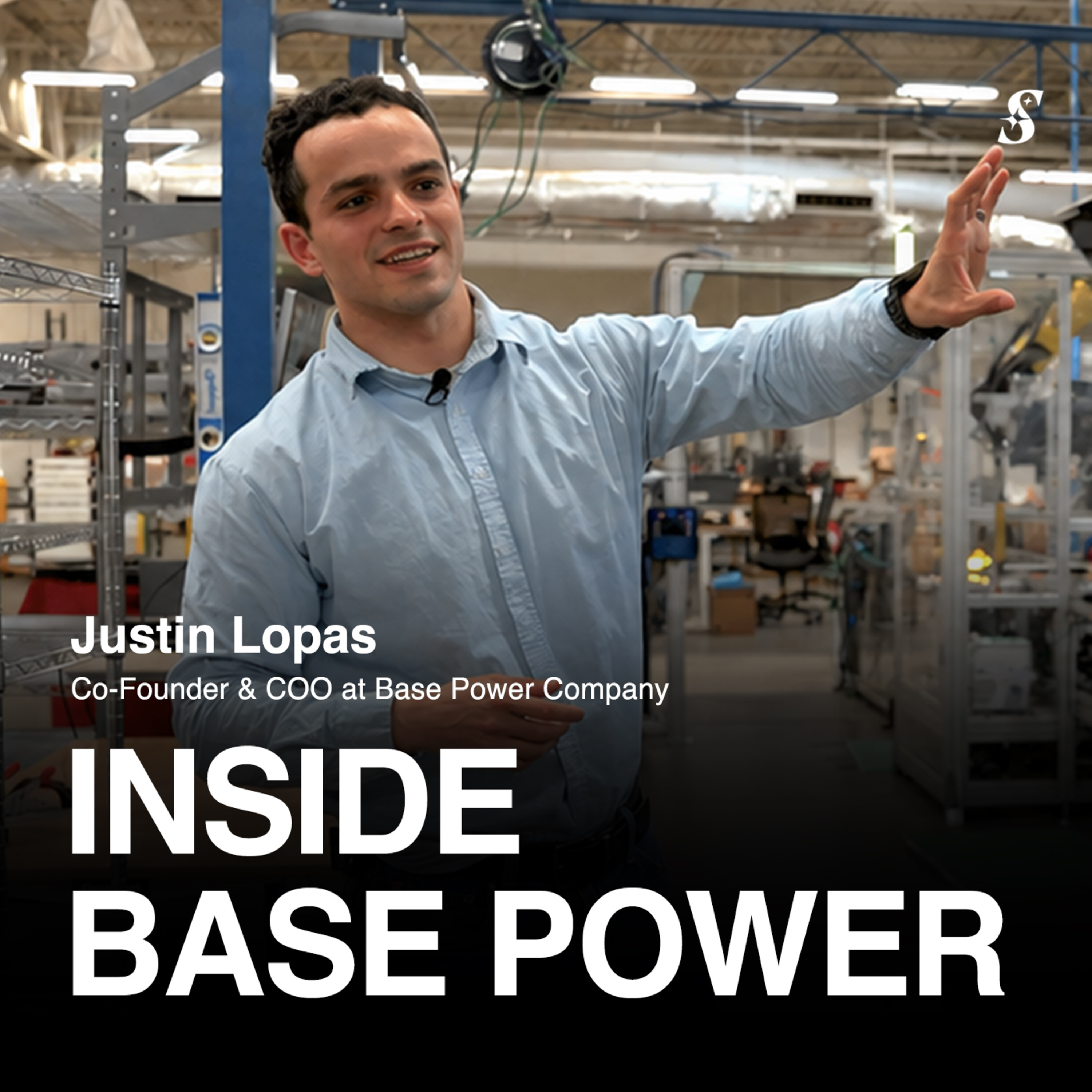
Unlike competitors focused on pairing small batteries with solar for wealthy homeowners, Base Power's strategy is to deploy large batteries at the edge of the grid to provide grid support. This transforms individual home batteries into a decentralized network, creating a fundamentally different value proposition.
An outage at a single dominant cloud provider like AWS can cripple a third of the internet, including competitors' services. This highlights how infrastructure centralization creates systemic vulnerabilities that ripple across the entire digital economy, demanding a new approach to redundancy and regulation.

The rise of rooftop solar, local batteries, and on-site generation means power is increasingly produced closer to where it's used. This trend is devaluing long-distance transmission infrastructure and suggests the future grid will be far more decentralized and localized.

If homeowners and corporations begin generating their own power via solar, storage, and colocation, it could trigger a crisis for traditional utilities. Their entire business model, based on a centralized grid and rate base, would be at risk, making them a massive potential short for investors.
Recent breakdowns in student loan processing, AI governance, and cloud infrastructure highlight the vulnerability of centralized systems. This pattern underscores a key personal finance strategy: mitigate risk by decentralizing your money, data, and income streams across various platforms and sources.

When facing threats like ground stations becoming military targets, the most effective resilience strategy isn't hardening individual sites. Instead, it's proliferation: making systems cheap, modular, and fast to deploy in large numbers. This ensures that the loss of any single asset is not catastrophic to the network.

Fortescue uses AI not just for efficiency but for resilience. Its distributed battery grid can heal from attacks so fast that a lightbulb wouldn't flicker. This model replaces vulnerable, centralized turbines—like those attacked in Ukraine—with a decentralized system that is nearly impossible to take down.