Get your free personalized podcast brief
We scan new podcasts and send you the top 5 insights daily.
Drug development is a collaboration between current and future patients. Trial participants are incredibly generous because the knowledge gained from their experience provides a 'deferred benefit.' The biggest payoff is for people who will face the same disease years later, making it an altruistic, forward-looking effort.

Related Insights
Treat patient initiatives not as single-use projects tied to a drug launch, but as long-term, sustainable assets. Design programs with an eye toward future applicability for other drugs, therapeutic areas, or geographies. This approach maximizes the return on investment and creates an institutional capability.
When asked about legacy, Dr. Abelson, who helped get 85 drugs approved, says it's not about professional accomplishments but about his grandchildren. A meaningful life is one that inspires future generations, suggesting one should act in ways that would make their future grandkids proud.
Experts praise cooperative groups (e.g., Chartered, Stampede) for conducting large studies and preserving samples for future biomarker research. These publicly funded efforts can address fundamental clinical questions that industry-sponsored trials may not prioritize, ultimately advancing the field.

Don't wait until Phase 3 to think about commercialization. Biotech firms must embed secondary endpoints in Phase 2 trials that capture quality of life and patient journey insights. This data is critical for building a compelling value proposition that resonates with payers and secures market access.
The traditional drug-centric trial model is failing. The next evolution is trials designed to validate the *decision-making process* itself, using platforms to assign the best therapy to heterogeneous patient groups, rather than testing one drug on a narrow population.

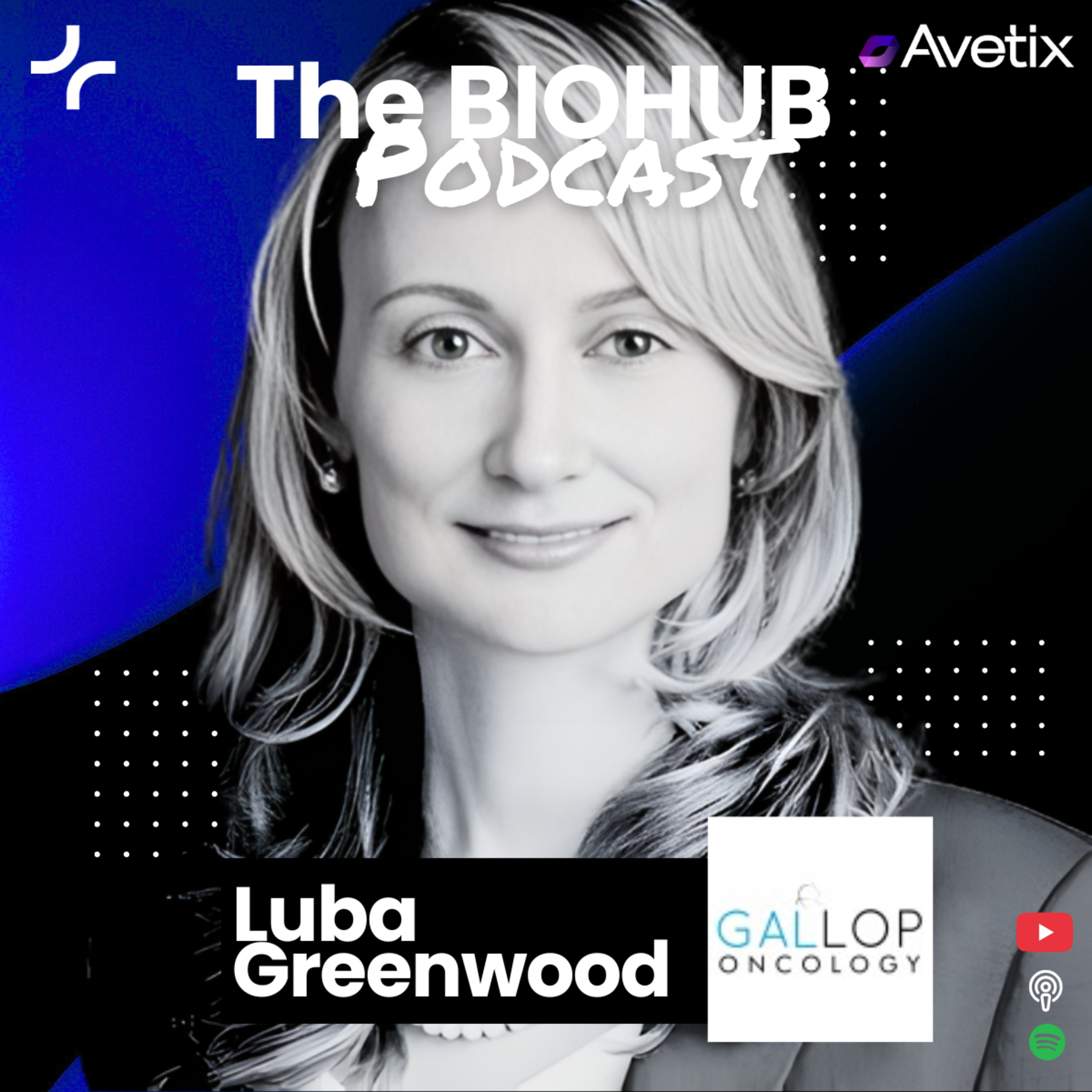
Luba Greenwood reframes competition in biotech as a positive force. When multiple companies pursue the same biological target, it validates the target's importance and accelerates discovery. This collaborative mindset benefits the entire field and, ultimately, patients, as the best and safest drug will prevail.
Dr. Abelson’s career spans the transformation of clinical research from an endeavor led by a single physician-scientist to a complex industry with specialized companies for statistics, patient recruitment, and regulatory affairs. This specialization has enabled the current rapid pace of drug development.
A crucial piece of advice for biotech founders is to interact with patients as early as possible. This 'patient first' approach helps uncover unmet needs in their treatment journey, providing a more powerful and differentiated perspective than focusing solely on the scientific or commercial landscape.
A successful research program requires deep integration with the clinical environment. By spending time with oncologists and nurses and joining tumor boards, scientists gain the necessary context to ask the most meaningful questions, bridging the gap between theoretical lab work and the reality of patient care.
The most impactful medical advances come from 'clinical scientists' who both see patients and work in the lab. This dual perspective provides a deep understanding of disease mechanisms and how to translate research into treatments, a model that Dr. Abelson believes is now under threat due to economic pressures.