Get your free personalized podcast brief
We scan new podcasts and send you the top 5 insights daily.
Dr. Abelson’s career spans the transformation of clinical research from an endeavor led by a single physician-scientist to a complex industry with specialized companies for statistics, patient recruitment, and regulatory affairs. This specialization has enabled the current rapid pace of drug development.
Related Insights
Dr. Abelson credits his undergraduate training in experimental psychology as being invaluable for his career in clinical research. It taught him the fundamentals of writing a protocol, analyzing data, and identifying flaws in a study—skills he directly applied to drug development decades later.
Instead of waiting for allergy patients to have symptoms on study days, Dr. Abelson’s team created a model to induce the allergic reaction in a controlled way. This 'Conjunctival Allergy Challenge' allowed for precise, predictable testing of new drugs, dramatically speeding up development.
The focus in advanced therapies has shifted dramatically. While earlier years were about proving clinical and technological efficacy, the current risk-averse funding climate has forced the sector to prioritize commercial viability, scalability, and the industrialization of manufacturing processes to ensure long-term sustainability.

While the FDA is often blamed for high trial costs, a major culprit is the consolidated Clinical Research Organization (CRO) market. These entrenched players lack incentives to adopt modern, cost-saving technologies, creating a structural bottleneck that prevents regulatory modernization from translating into cheaper and faster trials.

Scientists in specialized roles like immunogenicity risk becoming siloed service providers. To maintain impact and growth, they must proactively collaborate with other functions like CMC, safety, and quality. This provides a holistic view of drug development and integrates their expertise into the entire process.

Early-stage biotech companies struggle to navigate clinical development for autoimmune diseases. Disease-specific foundations hold crucial insights on patient subsets, recruitment, and key opinion leaders, yet the interface between VCs and these foundations is often inefficient and difficult to navigate, leading to missed opportunities and flawed trial execution.
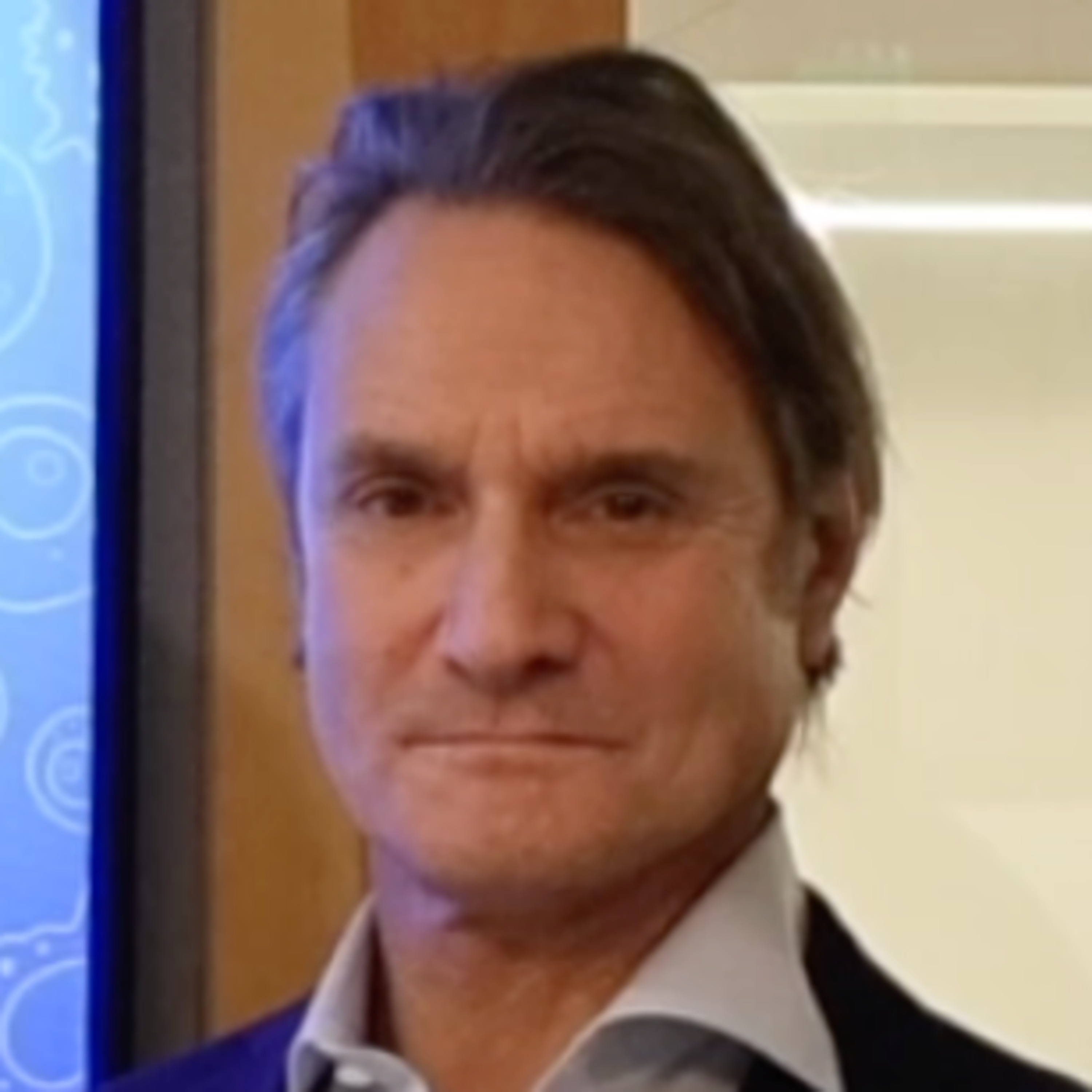
Dr. Mark Abelson started Andover Eye not as a business, but as a clinical site in the suburbs to overcome the logistical challenges of recruiting patients and finding adequate parking at a major Boston hospital. This practical need was the seed for a world-leading CRO.
Responding to Wall Street pressure to de-risk, large pharmaceutical firms cut internal early-stage research. This led to an exodus of talent and the rise of contract research organizations (CROs), creating an infrastructure that, like cloud computing for tech, lowered the barrier for new biotech startups.

AI will create jobs in unexpected places. As AI accelerates the discovery of new drugs and medical treatments, the bottleneck will shift to human-centric validation. This will lead to significant job growth in the biomedical sector, particularly in roles related to managing and conducting clinical trials.
The most impactful medical advances come from 'clinical scientists' who both see patients and work in the lab. This dual perspective provides a deep understanding of disease mechanisms and how to translate research into treatments, a model that Dr. Abelson believes is now under threat due to economic pressures.