Get your free personalized podcast brief
We scan new podcasts and send you the top 5 insights daily.
The first wave of microbiome companies failed because the technology wasn't ready. Now, advanced cloud computing and ML can handle the microbiome's vast complexity. Crucially, metabolomics has matured, allowing analysis of what microbes *do* (function), not just who they are (composition), making the data actionable.

Related Insights
Mass spectrometry was traditionally used to identify known chemical compounds. AI models can now analyze vast, untargeted mass spec data to identify novel chemical structures. This elevates the technology from a simple detection tool to a powerful engine for new molecule discovery.

The primary challenge in finding drugs from nature has shifted. Initially, it was culturing microbes, then avoiding rediscovery of known molecules. Today, with advanced screening generating vast data, the bottleneck is prioritizing the most promising chemical hits for drug development.
NewLimit combines artificial intelligence with high-throughput biology in a virtuous cycle. Their AI model, Ambrosia, predicts which gene combinations will be effective. These predictions are then tested in thousands of parallel experiments, which in turn generate massive datasets to further train and refine the AI, accelerating discovery.
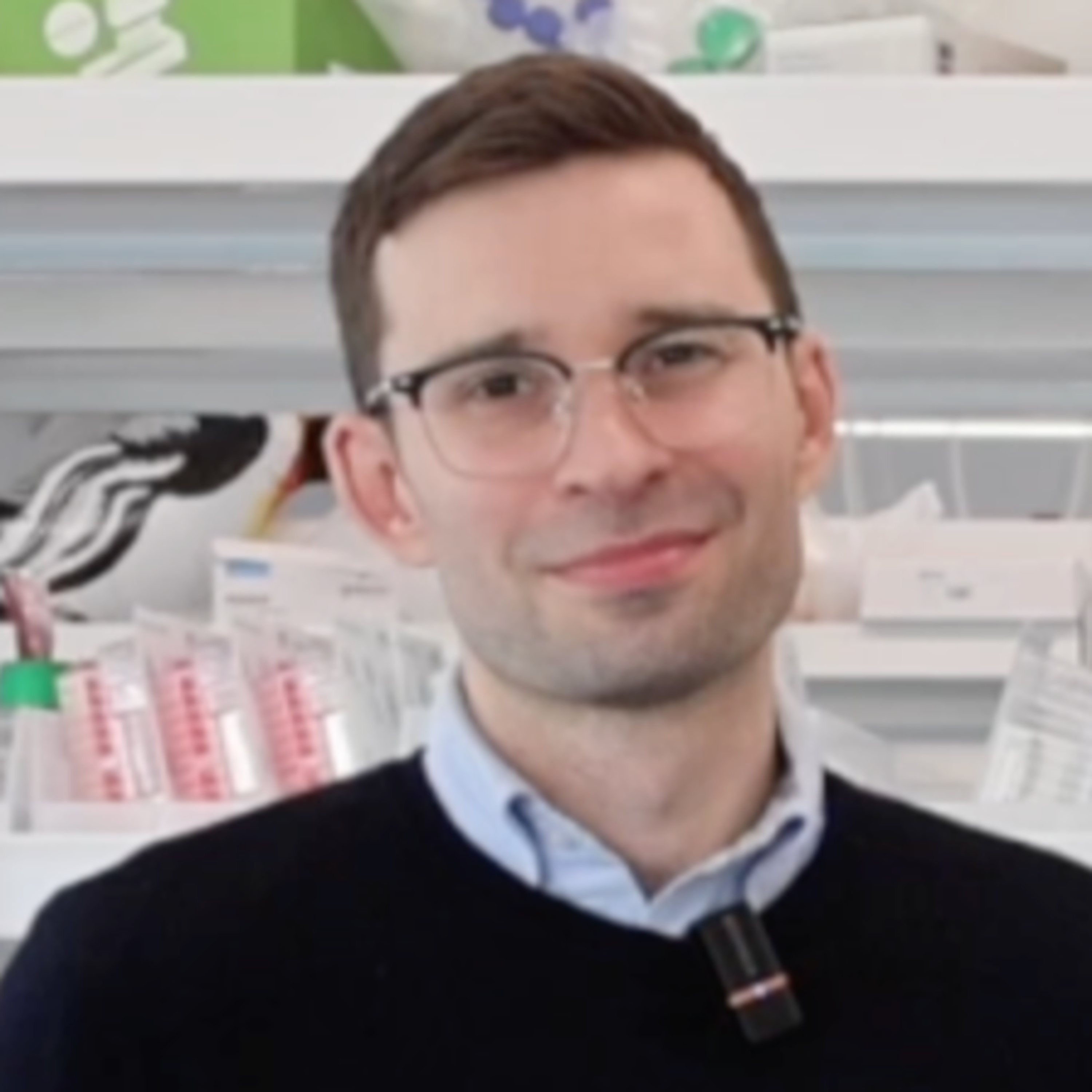
ProPhet's CEO notes his conviction in AI wasn't a sudden breakthrough. Instead, it was a growing understanding that machine learning's ability to handle noisy, incomplete data at scale directly solves the primary bottlenecks of traditional pharmaceutical research.

A new 'Tech Bio' model inverts traditional biotech by first building a novel, highly structured database designed for AI analysis. Only after this computational foundation is built do they use it to identify therapeutic targets, creating a data-first moat before any lab work begins.

The next frontier in preclinical research involves feeding multi-omics and spatial data from complex 3D cell models into AI algorithms. This synergy will enable a crucial shift from merely observing biological phenomena to accurately predicting therapeutic outcomes and patient responses.

The bottleneck for AI in drug development isn't the sophistication of the models but the absence of large-scale, high-quality biological data sets. Without comprehensive data on how drugs interact within complex human systems, even the best AI models cannot make accurate predictions.

Scaling personalized medicine hinges on converging technologies. Robotics automates lab work from hours to minutes, affordable gene sequencing provides the raw data, and cloud computing processes AI analysis for pennies, making a once-prohibitively expensive process accessible.
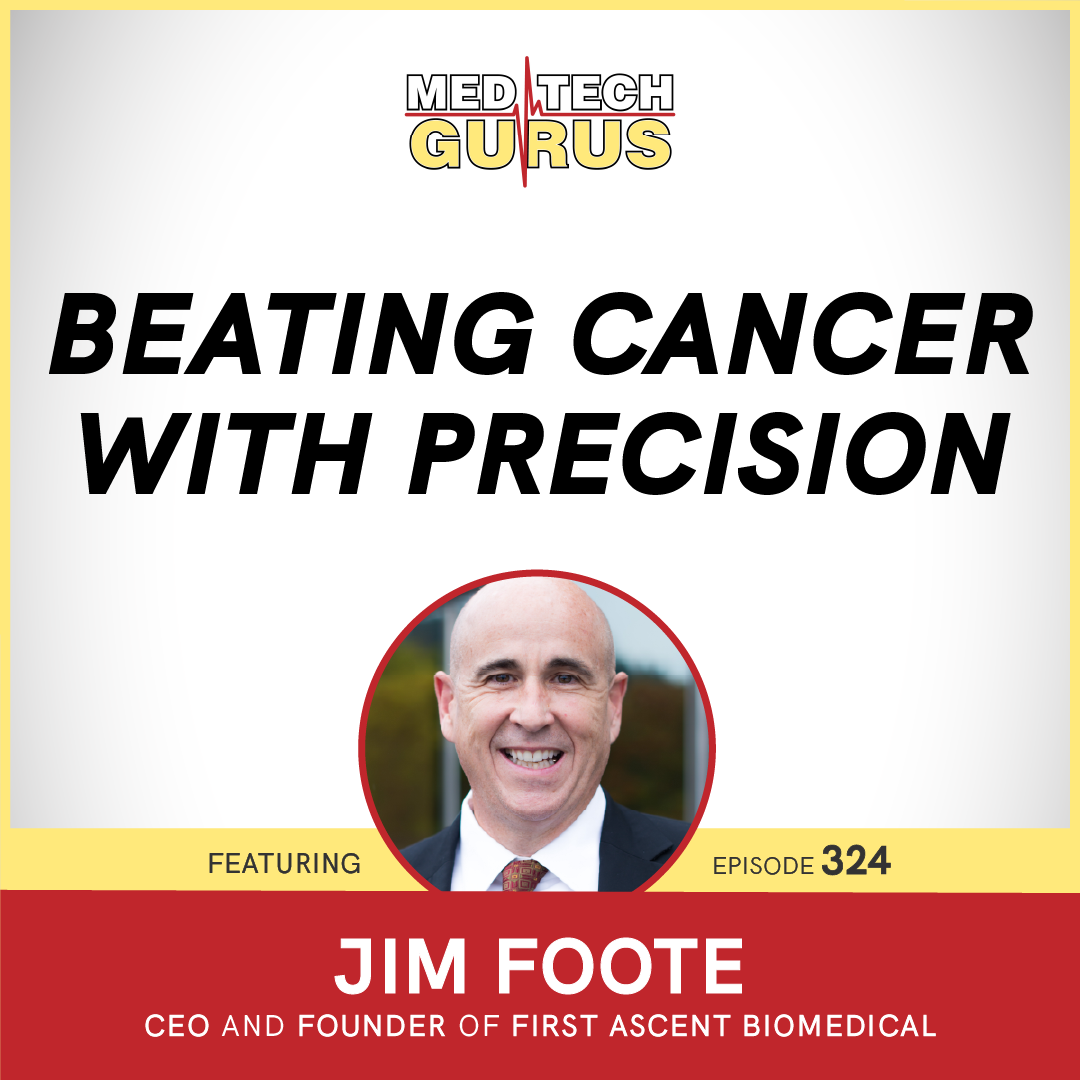
Human genomics doesn't fully explain varied patient responses. The microbiome, up to 90% different between individuals (vs. 99.9% shared human DNA), is a critical missing factor. It interacts with drugs and influences treatment efficacy, representing a new frontier for personalized medicine.
Outpost Bio integrates a wet lab with its AI platform to generate proprietary, high-quality data. This is crucial in microbiology, where reproducibility is a challenge. This vertical integration creates a "gold standard" dataset for model training and allows for experimental validation of AI-driven predictions in a closed loop.