Get your free personalized podcast brief
We scan new podcasts and send you the top 5 insights daily.
WatchMojo's founder walked away from an $80M valuation not over price, but control. He feared the acquirer could merge losing divisions into his profitable one, artificially depressing its value and allowing them to buy his remaining stake for pennies on the dollar.

Related Insights
Successful founders prioritize cash upfront over potentially larger payouts from complex earnouts. Earnouts often underperform because founders lose control of the business's future performance, leading to dissatisfaction despite a higher on-paper valuation.
When their buyer attempted to cut the deal price by nearly 50%, the founders of Hidden Levers negotiated from a position of strength. Their significant profitability meant they had no "ticking time bomb" and didn't need to sell, allowing them to push back forcefully.

Instead of arguing over a valuation number, effective M&A negotiation involves reframing the conversation around the founder's personal risk tolerance. Help them weigh the certainty of an acquisition against the high-risk, "growth-at-all-costs" path demanded by VCs.

In 2013, BuzzFeed's founder rejected a $650 million acquisition offer from Disney while chasing a higher valuation. Over a decade later, the company sold for just a fraction of that price, a cautionary tale for founders who hold out for a perfect exit.

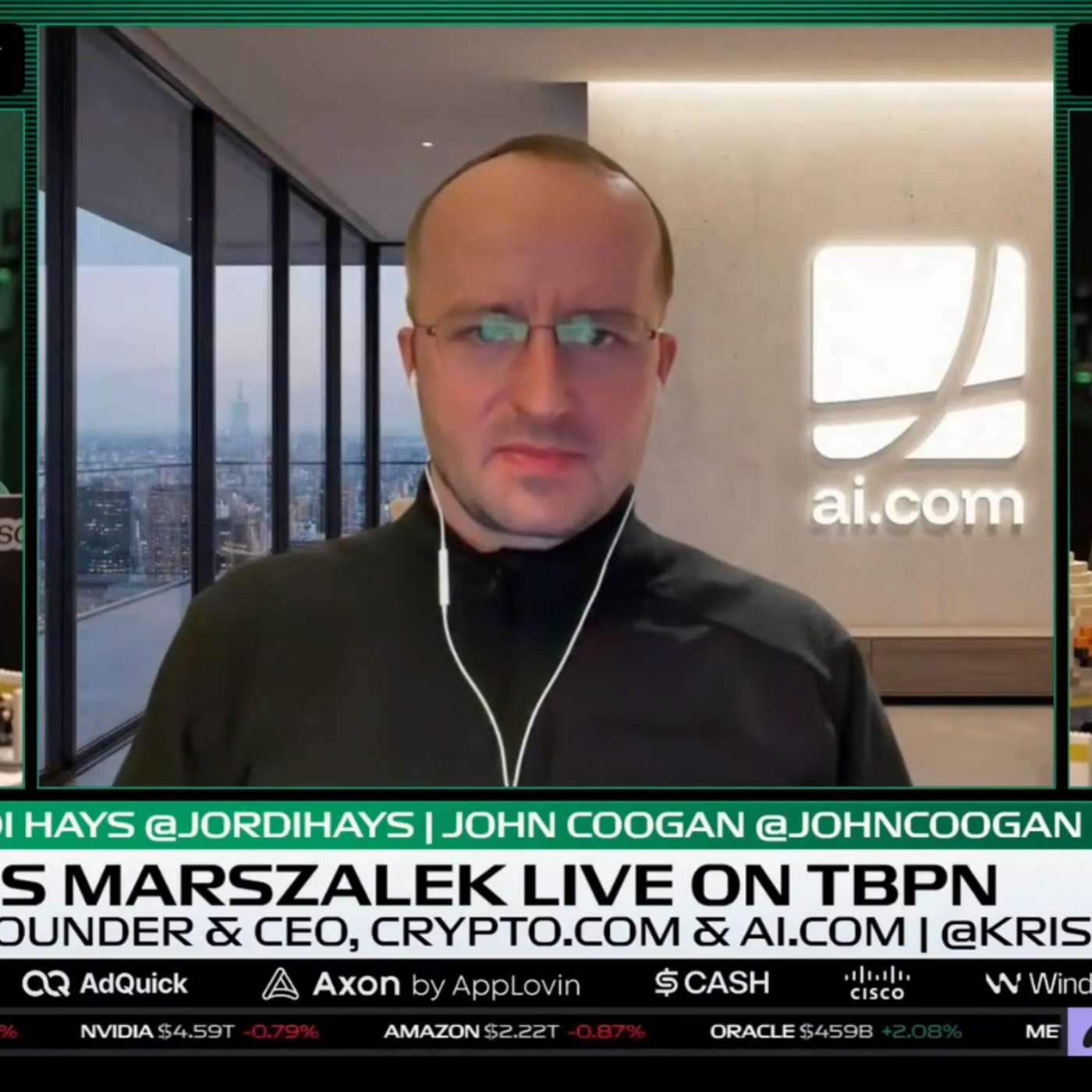
Immediately after acquiring AI.com for $70M, the founder received and rejected an offer exceeding $500M. This demonstrates extreme long-term conviction, prioritizing the potential of building a platform over a massive, quick profit.
VCs may analyze an acquisition based on a 3x return over their last round. For a founder, the math is different. A life-changing financial outcome is only worth passing up if they genuinely believe they can build a company 10x larger. A potential 3x increase isn't enough to justify the immense personal risk and multi-year effort.

An acquisition target with a valuation that seems 'too good to be true' is a major red flag. The low price often conceals deep-seated issues, such as warring co-founders or founders secretly planning to compete post-acquisition. Diligence on people and their motivations is more critical than just analyzing the financials in these cases.
After turning down an ~$80M offer, WatchMojo's founder aggressively invested in expansion, saying "yes to everything." This spending spree cut the company's EBITDA by over 50%, causing subsequent acquisition offers to drop from the $100M range to as low as $30M.
Despite not needing capital, WatchMojo's founder sold a minority stake to a PE firm primarily for governance. He recognized that too much control was concentrated in him, creating a massive "key person risk" that a professional partner could help mitigate.
Despite frequent offers, the founder resists selling to private equity because he believes his team can apply the same profit-maximizing playbooks (e.g., cost-cutting) themselves. This retains control and captures future upside, reserving acquisition interest only for strategic buyers who can accelerate distribution.
