Get your free personalized podcast brief
We scan new podcasts and send you the top 5 insights daily.
The true value of AI isn't cutting headcount but amplifying the output of the existing team. Instead of replacing employees, AI tools can exponentially increase productivity, allowing a small team to achieve what previously required a much larger workforce. The baseline for what's possible is simply rising.

Related Insights
The best barometer for AI's enterprise value is not replacing the bottom 5% of workers. A better goal is empowering most employees to become 10x more productive. This reframes the AI conversation from a cost-cutting tool to a massive value-creation engine through human-AI partnership.

Instead of eliminating roles, AI's primary organizational impact is amplifying small, elite, cross-functional teams. A single 10x engineer, 10x designer, and top PM working together can now achieve what previously required a much larger 'swarm,' making these once 'anemic' teams incredibly robust.

The primary financial driver for AI adoption is a massive leap in productivity. Companies will expect individual employees to leverage AI to produce what entire teams did previously. Refusing to learn and integrate AI into your workflow is a direct path to obsolescence.

Frame internal AI initiatives not as a way to replace employees, but to automate their chores. This frees them to move 'up the stack' to perform higher-value functions like client relations, creative strategy, and founder meetings, ultimately increasing overall output.
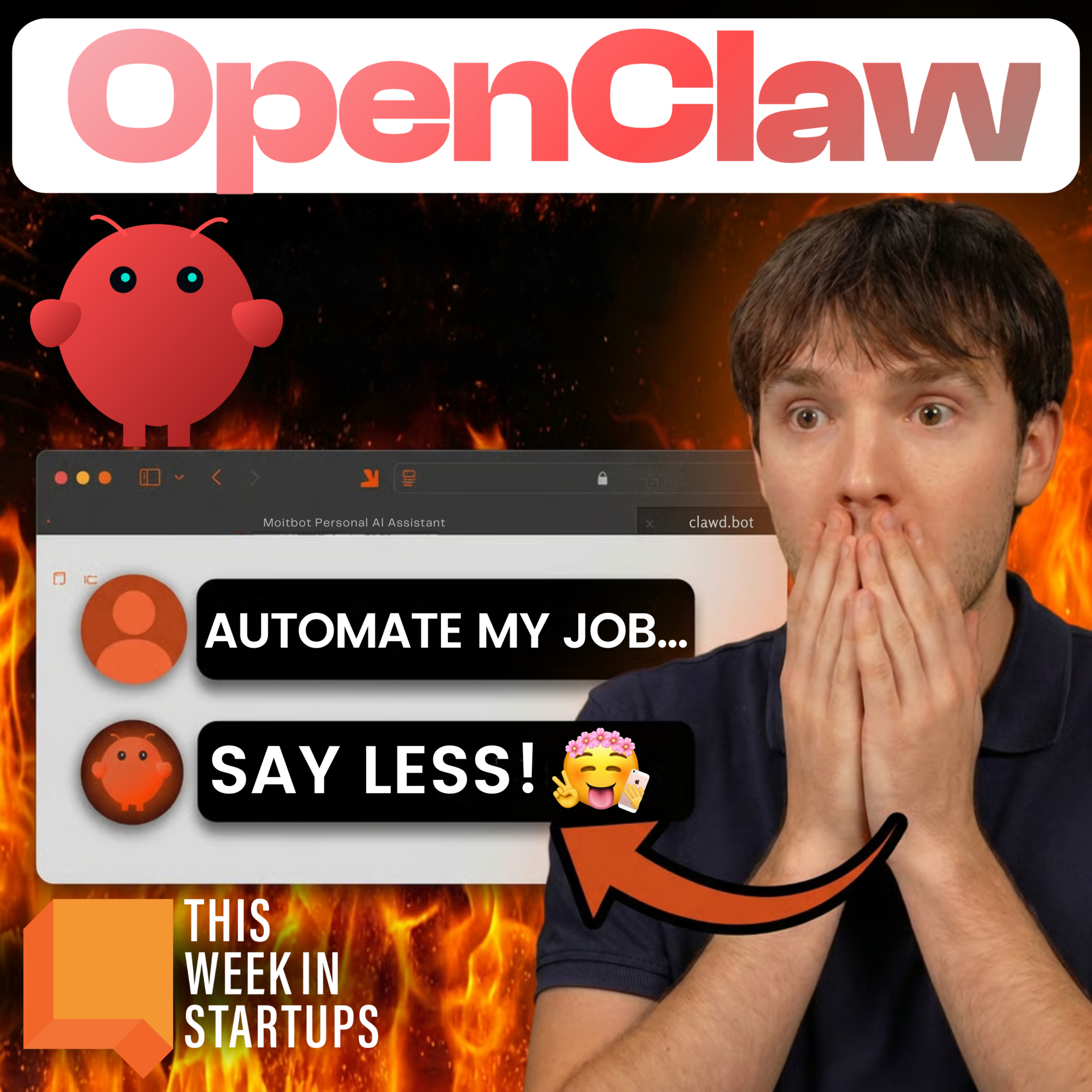
AI's primary value isn't replacing employees, but accelerating the speed and quality of their work. To implement it effectively, companies must first analyze and improve their underlying business processes. AI can then be used to sift through data faster and automate refined workflows, acting as a powerful assistant.

Don't view AI through a cost-cutting lens. If AI makes a single software developer 10x more productive—generating $5M in value instead of $500k—the rational business decision is to hire more developers to scale that value creation, not fewer.

Coastline Academy frames AI's value around productivity gains, not just expense reduction. Their small engineering team increased output by 80% in one year without new hires by using AI as an augmentation tool. This approach focuses on scaling capabilities rather than simply shrinking teams.

The common view of AI is to increase efficiency or replace headcount. A more powerful approach is to maintain your team and leverage AI for abundance. Use it to triple your output, running five marketing campaigns instead of one and exploring numerous variations to dramatically increase growth.

The contrarian view on AI is to avoid layoffs. A larger team, fully equipped with AI tools, will create vastly more output, outflanking leaner competitors who cut staff. The future competitive advantage is not just efficiency, but sheer production volume.
Most view AI for efficiency, but its true power lies in handling routine tasks to free up human talent. This unlocks capacity for strategic, creative, and relationship-driven work that fuels innovation and growth, shifting the question from cost savings to new capabilities.
