Get your free personalized podcast brief
We scan new podcasts and send you the top 5 insights daily.
The podcast hosts observe a dystopian trend where technological and regulatory arbitrage allows any event, even a coin flip, to be turned into a tradable instrument. This blurs the distinction between capital allocation, speculation, and pure gambling, moving money away from productive uses.

Related Insights
New platforms frame betting on future events as sophisticated 'trading,' akin to stock markets. This rebranding as 'prediction markets' helps them bypass traditional gambling regulations and attract users who might otherwise shun betting, positioning it as an intellectual or financial activity rather than a game of chance.

While platforms claim their peer-to-peer contract model differs from a casino's "betting against the house," the core function remains the same: wagering money on the outcome of a future event. This structural difference is presented as a legal and semantic argument rather than a functional one.
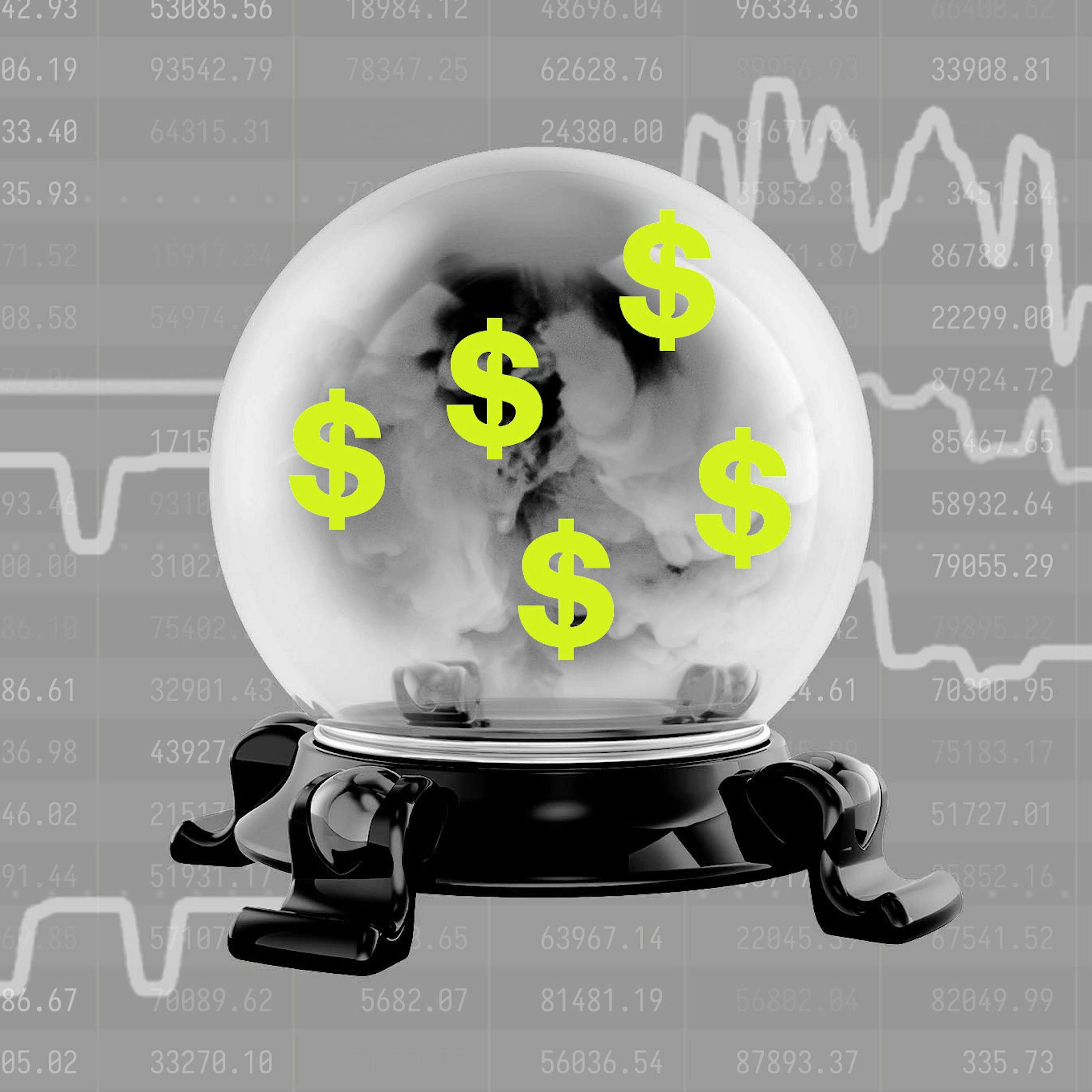
Financial personality Vivian Tu warns against platforms marketing "prediction markets" as an investment class. She clarifies they are simply a modern form of gambling on outcomes, akin to sports betting, and will likely deplete wealth rather than build it.
Prediction markets are cannibalizing the traditional gaming industry by framing gambling as an intellectual activity. This creates a more compelling 'product' that is already impacting gaming stocks and tourism, while introducing severe societal harms like addiction and new forms of insider trading.

Platforms for "trading" on world events are fundamentally gambling, not investing. True investing involves owning an underlying asset. Betting on outcomes like a football coach's hiring has no underlying asset, making it equivalent to a casino bet, often fueled by economic desperation.

High-frequency trading (HFT) firms use proprietary exchange data feeds to legally front-run retail and institutional orders. This systemic disadvantage erodes investor confidence, pushing them toward high-risk YOLO call options and sports betting to seek returns.
Prediction markets are accelerating their normalization by integrating directly into established ecosystems. Partnerships with Google, Robinhood, and the NYSE's owner embed gambling-like activities into everyday financial and informational tools, lowering barriers to entry and lending them legitimacy.
The financialization of everything, particularly through prediction markets, is defined as "the absence of politics." Instead of relying on trust in experts (politics), these markets force participants to put money where their mouth is, creating an objective measure of confidence based on liquidity at risk.

When people feel they can't get ahead through traditional means like saving, they turn to high-risk behaviors. Markets are increasingly treated as casinos by a population that sees 'hyper-gambling'—on everything from meme stocks to crypto—as their only viable path to financial escape.

The dominance of passive, systematic investing has transformed public equities into a speculative "ghost town" driven by algorithms, not fundamentals. Consequently, financing for significant, long-term industrial innovation is shifting to private markets, leaving public markets rife with short-term, meme-driven behavior.