Get your free personalized podcast brief
We scan new podcasts and send you the top 5 insights daily.
The hosts coin the term 'Bublé-ing' to describe a strategy of identifying a recurring, predictable market void—like the annual demand for new Christmas music—and shamelessly dominating it. This concept is transferable to other seasonal or cyclical markets, such as Halloween.

Related Insights
Instead of starting with academic studies, analyze what top brands are already doing successfully. Deconstruct their tactics to uncover the underlying behavioral science principles, which you can then apply with confidence to your own business.

Instead of buying entire sports seasons, Netflix acquires single, high-impact events like a Christmas NFL game. This 'eventizing' strategy creates maximum buzz for a lower relative cost by turning content releases into unforgettable, can't-miss dates on the cultural calendar.

To escape the noise of Black Friday, Set Active created 'Set Miss,' a branded sales event in December. This strategy helps them stand out from competitors by creating their own sales moment. The event has become so successful that it rivals or even surpasses their traditional Black Friday performance.

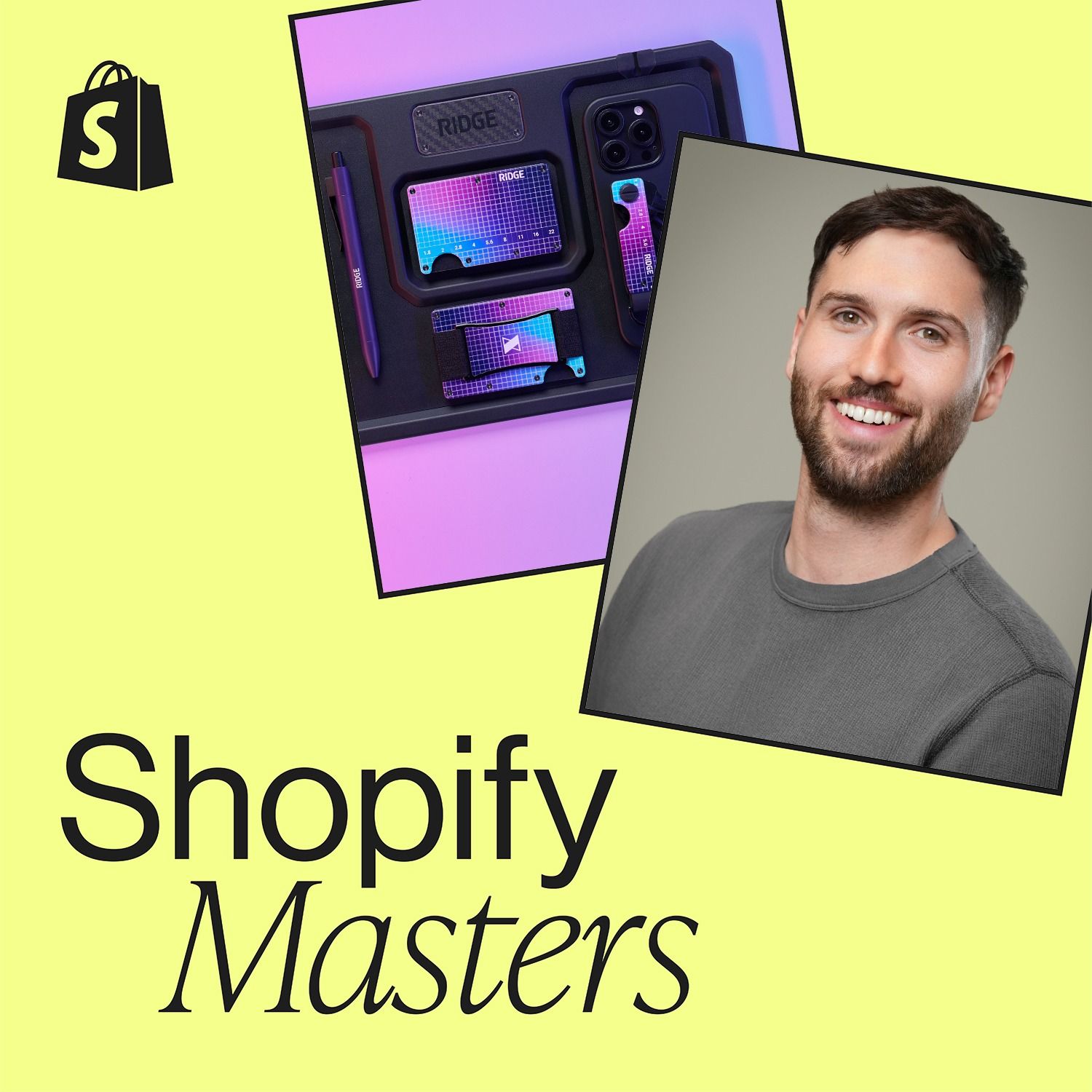
Ridge Wallet succeeded in a crowded market not just by innovating on product, but by framing it as the ideal gift for men. This strategy circumvents typical purchase friction and taps into seasonal buying behavior, solving the “what to buy?” problem for consumers.
Frame marketing strategy not as managing channels, but as "day-trading attention." Identify platforms where user attention is high but advertising costs are low due to a lack of saturation from major brands. This arbitrage opportunity allows smaller players to achieve outsized results before the market corrects.

At the end of the year, audiences are psychologically primed for reflection and catching up on what they missed, similar to the appeal of Spotify Wrapped. Marketers should lean into this by providing "best of" roundups that help consumers feel informed, connected, and up-to-date.

Many marketers mistakenly start with the goal of creating a new category. However, a new category only emerges as a downstream consequence of a strong, existing demand that is poorly served by all current products. The demand must exist before a new category can be successfully established.

The most effective investment strategy is to first identify a growing consumer category with strong tailwinds (e.g., Mediterranean food). Only then should you invest in or build the company with the potential to become the dominant player, capitalizing on the winner-take-all dynamics of the industry.

The end of the year creates a specific consumer mindset focused on reflection and catching up, popularized by Spotify Wrapped. Brands can capitalize on this by creating their own 'best of' content, meeting a pre-existing audience expectation and leveraging a cultural moment for higher engagement.

The belief that you must find an untapped, 'blue ocean' market is a fallacy. In a connected world, every opportunity is visible and becomes saturated quickly. Instead of looking for a secret angle, focus on self-awareness and superior execution within an existing market.