Get your free personalized podcast brief
We scan new podcasts and send you the top 5 insights daily.
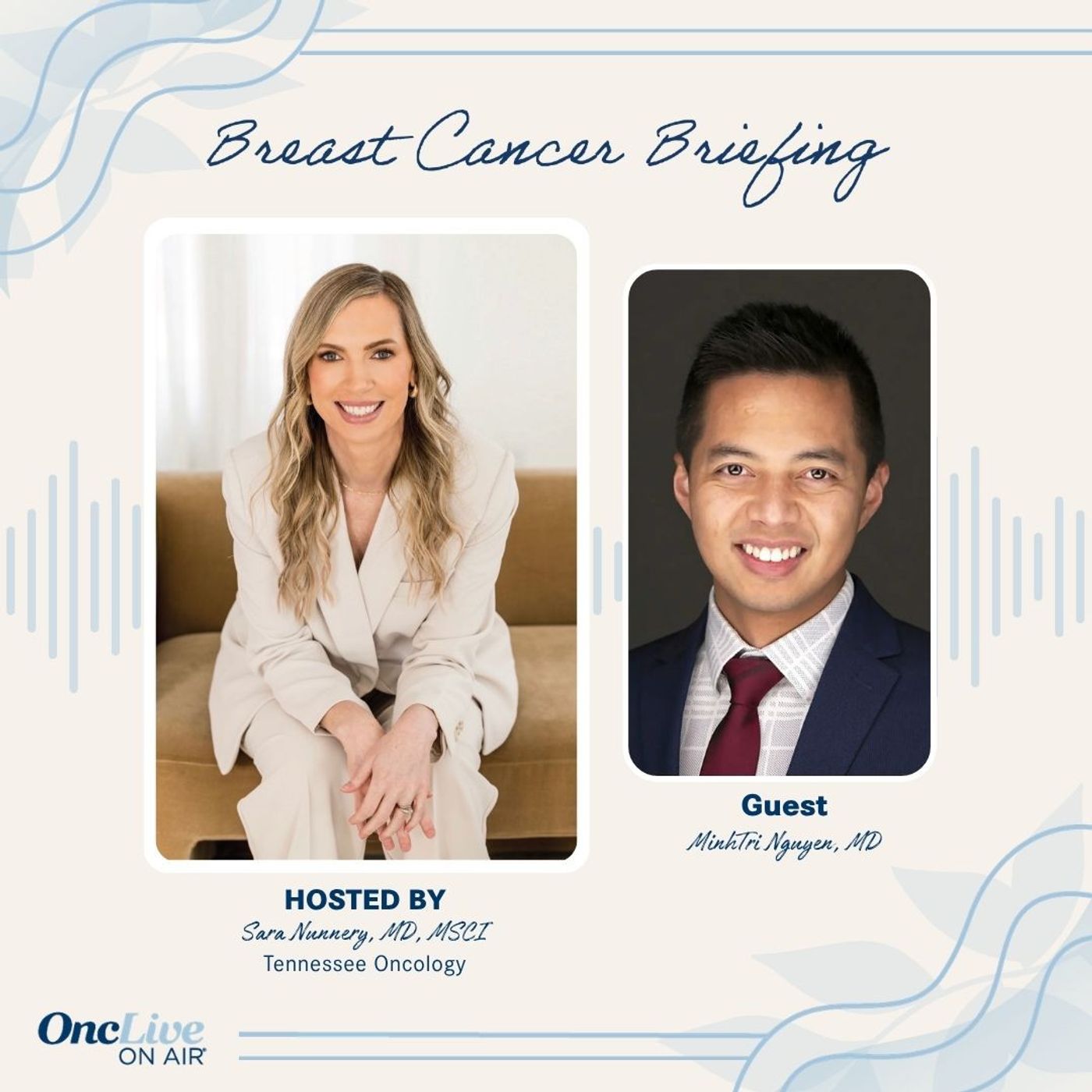
Dr. MinhTri Nguyen’s motivation for medicine and his focus on health equity stem from his personal experience growing up in a large, under-resourced family in Vietnam, where access to care was a significant, formative struggle.
Related Insights
The CEO's motivation to solve GI health issues stemmed directly from his daughter's Crohn's disease and family history of colon cancer. This personal mission was critical for enduring the difficult early stages of the company before securing any funding.

Dr. Bahija Jallal's lifelong pursuit of scientific understanding originated from a childhood tragedy. The death of her father due to a medical error fueled her persistent "why" questions, transforming a desire for answers into a mission to develop better medicines for patients.

Despite a PhD in the molecular biology of lung cancer, Dr. Manley's career shifted to health equity. This wasn't a planned transition but a direct response to seeing his family's healthcare struggles and requests from underserved patient communities, showing how personal experience can create new professional missions.

The work of founding scientist Dr. Sam Gambhir was deeply personal; he lost his son, himself, and his wife to cancer. This profound loss serves as the company's driving force and enduring mission, transforming the scientific endeavor into a legacy. This demonstrates how personal conviction can fuel progress against intractable problems.

Sofia Lugo's mission at Radar Therapeutics is deeply rooted in her family's struggle to access healthcare after moving to the US. This injustice fueled her desire to build a more equitable system, demonstrating how personal adversity can become a powerful motivator for large-scale innovation.
Caplan's lifelong focus on medical ethics originated from his childhood polio hospitalization, where doctors were untruthful with patients and families were kept at a distance. This formative experience instilled in him a deep skepticism of medical authority and a focus on patient rights and transparency.

A mentor's advice emphasizes that impactful research questions in oncology arise from deep clinical immersion. By focusing first on mastering patient care and understanding the disease's daily realities, young oncologists can identify the most critical unmet needs and formulate relevant research hypotheses, rather than starting from a purely academic perspective.

Aditya Gherola's passion for healthcare transformation was ignited by seeing a cancer patient's family wait eight hours for a bill post-chemo. This direct exposure to how administrative inefficiency causes profound human suffering became a powerful career motivator, shifting his focus to process improvement in the sector.
Dr. Hossein Borghaei shares his remarkable journey from leaving Iran as a teenager to becoming a leading thoracic oncologist. He discusses his motivations for entering medicine, the evolution of cancer treatment, the importance of human connection in patient care, and his optimistic outlook on the future of oncology, emphasizing collaboration and resilience.
CEO Ashley Magargee's career pivoted from education to biotech after her experience as an assistant principal in Harlem. Witnessing students constantly miss school for sickle cell crises convinced her that health is more foundational than education for a better life, providing a powerful, mission-driven motivation for her work.