Get your free personalized podcast brief
We scan new podcasts and send you the top 5 insights daily.
A mentor's advice emphasizes that impactful research questions in oncology arise from deep clinical immersion. By focusing first on mastering patient care and understanding the disease's daily realities, young oncologists can identify the most critical unmet needs and formulate relevant research hypotheses, rather than starting from a purely academic perspective.

Related Insights
Dr. Solanki's path into oncology wasn't planned. His initial interest was sparked by safety warnings on lab chemicals, not a desire to treat disease. This "accidental" interest, combined with early networking, led to a specialized postdoc and a 15+ year career, showing that passion can be discovered, not just declared.

While precision medicine has focused on tumor biology, this research suggests a broader "precision care" approach is needed. This involves tailoring treatment, such as drug dosage, based on patient-specific factors like physiology, functional reserve, and personal goals, not just genomic markers.
Despite rigid protocols, investigators must use their clinical judgment, informed by prior data, to enroll patients they believe will genuinely benefit. This patient-centric approach is viewed as not only ethical but also crucial for achieving a positive trial outcome, blending the art of medicine with the science of research.
Despite a PhD in the molecular biology of lung cancer, Dr. Manley's career shifted to health equity. This wasn't a planned transition but a direct response to seeing his family's healthcare struggles and requests from underserved patient communities, showing how personal experience can create new professional missions.

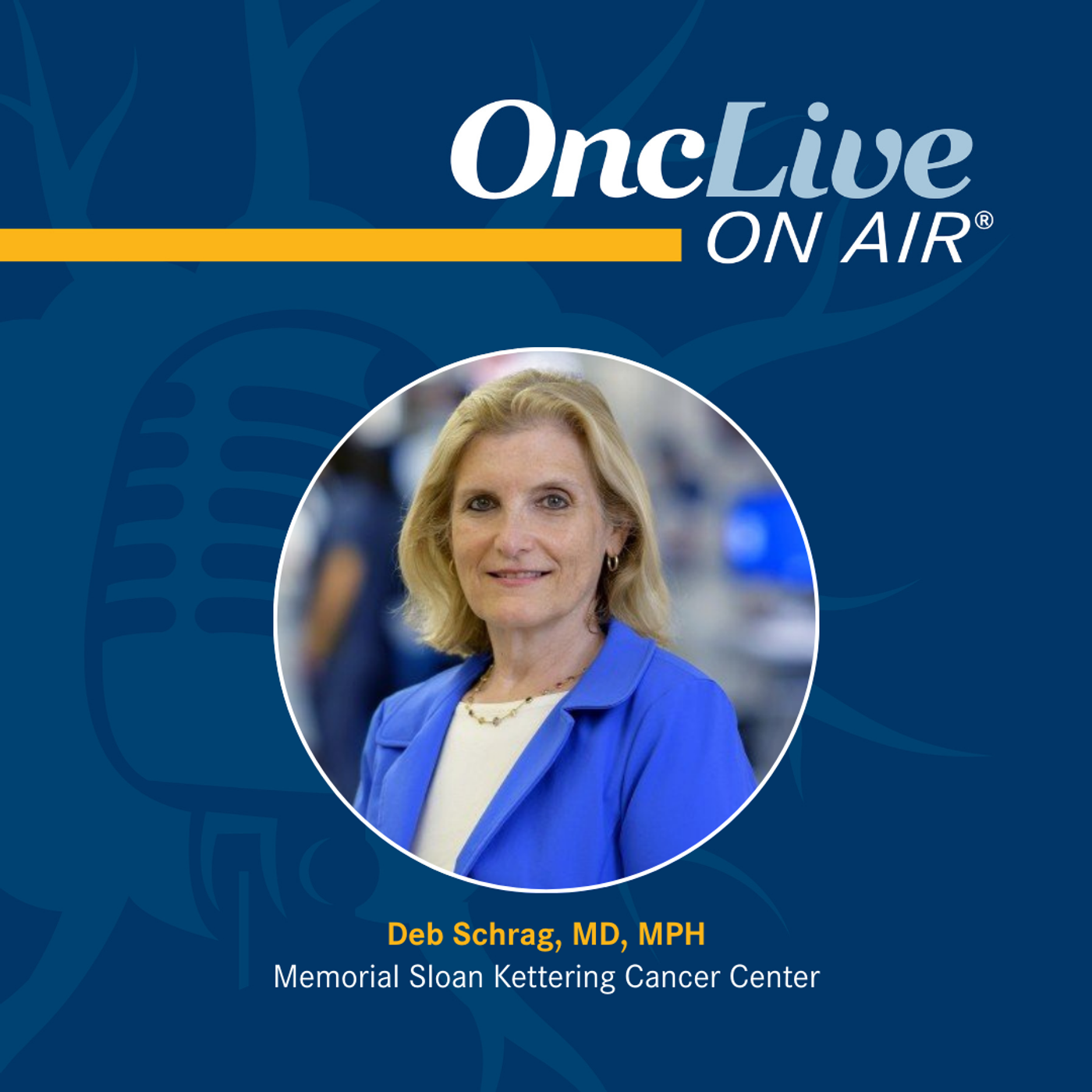
Dr. Deb Schrag argues for shifting away from rigid, expensive clinical trials. She advocates for more pragmatic, community-based studies that harness electronic health records, making research easier and less costly for both patients and healthcare systems to accelerate meaningful discoveries.
Landmark discoveries, like EGFR mutations, didn't start in a lab but with astute oncologists noticing patterns in how some patients responded to treatment while others didn't. This highlights that every patient interaction is a research opportunity, offering clues that can lead to the next scientific breakthrough.
A crucial piece of advice for biotech founders is to interact with patients as early as possible. This 'patient first' approach helps uncover unmet needs in their treatment journey, providing a more powerful and differentiated perspective than focusing solely on the scientific or commercial landscape.
A successful research program requires deep integration with the clinical environment. By spending time with oncologists and nurses and joining tumor boards, scientists gain the necessary context to ask the most meaningful questions, bridging the gap between theoretical lab work and the reality of patient care.
An oncology leader measures his contribution not by personal discoveries, but by his ability to coach and mentor the next generation. He believes the greatest legacy is enabling others to become even more brilliant and successful, effectively passing the baton to smarter people.
The most impactful medical advances come from 'clinical scientists' who both see patients and work in the lab. This dual perspective provides a deep understanding of disease mechanisms and how to translate research into treatments, a model that Dr. Abelson believes is now under threat due to economic pressures.