Get your free personalized podcast brief
We scan new podcasts and send you the top 5 insights daily.
To make a proposed 18.5% budget cut palatable, Steve Hilton frames it not as austerity but as a return to 2019 spending levels. This tactic leverages public perception that the massive budget growth during the pandemic did not deliver proportional improvements in state services, making cuts seem reasonable.

Related Insights
When facing C-suite resistance, don't just prove the ROI of your new idea. Instead, question the efficacy of current, approved spending. Highlight declining business results despite large budgets for traditional channels to create urgency for change.

In deal negotiations, reducing an offer price is a delicate matter. While "retrade" and "haircut" both mean cutting the price, they have different connotations. "Retrade" implies a broken promise and aggressive tactics, while "haircut" sounds more reasonable and justified by new information found during diligence. The choice of word is a key part of negotiation framing.

Pahlka recounts a senior Air Force leader claiming a 50% budget cut would force the DOD to be more effective. Severe constraints would eliminate bloated, slow-moving projects and compel the adoption of faster, streamlined processes, ultimately improving defense capability.

Instead of announcing a 'price increase,' call it a 'price adjustment' and immediately explain that the change is necessary to maintain the exact level of quality and service the client relies on. This frames the change as a benefit to them (quality assurance) rather than a cost to you.

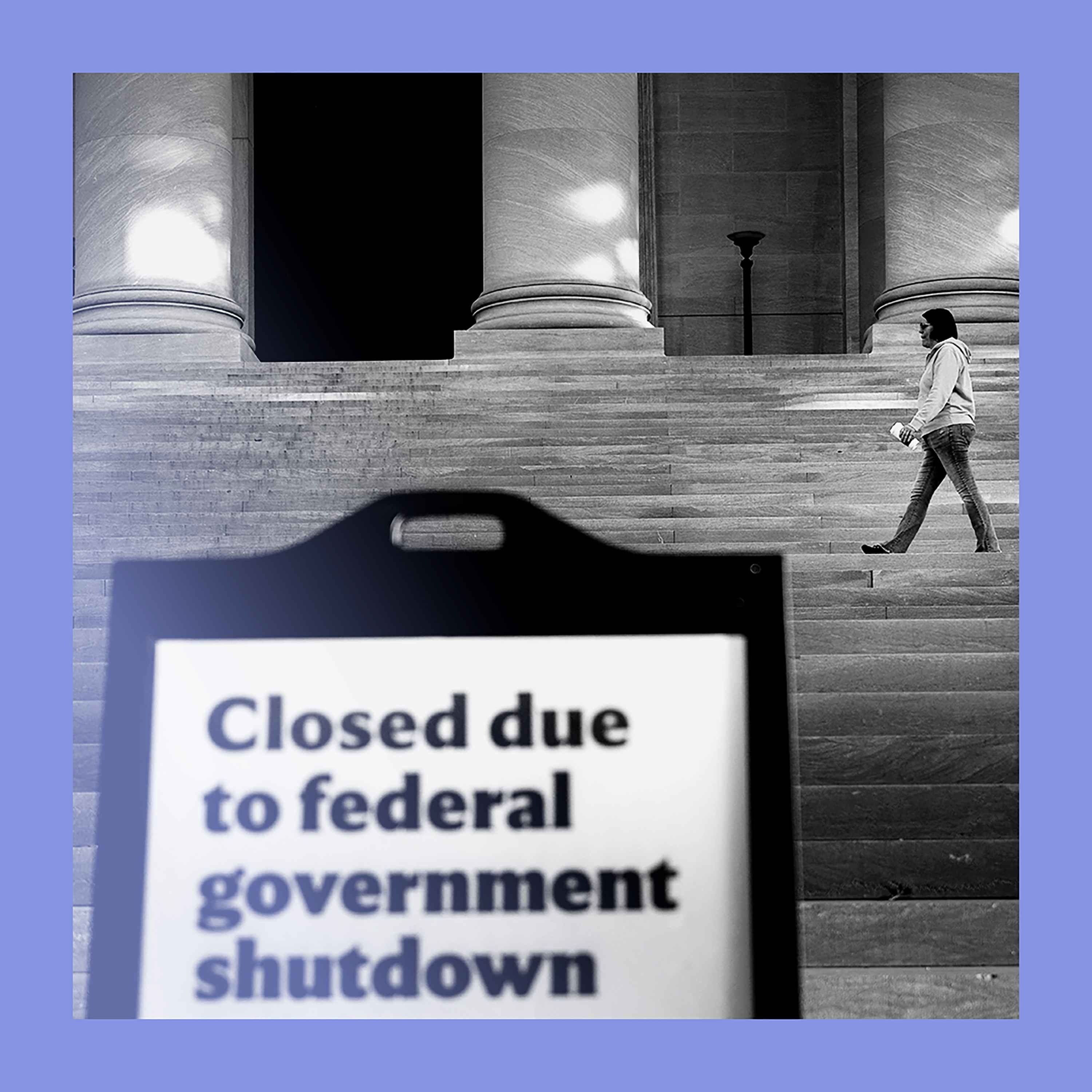
A major government shutdown was made "oddly tolerable" and politically sustainable because the administration creatively repurposed funds to keep key services paid. This selective funding of the military and homeland security masked the shutdown's full extent, reducing immediate public pressure for a resolution and allowing the impasse to continue.
Major policy shifts are often best enacted by unexpected political figures (e.g., Nixon in China). Similarly, left-leaning governments can push through tough fiscal austerity because they are immune to accusations of being anti-worker from their own base, a critique that would cripple a right-wing government.

Effective political propaganda isn't about outright lies; it's about controlling the frame of reference. By providing a simple, powerful lens through which to view a complex situation, leaders can dictate the terms of the debate and trap audiences within their desired narrative, limiting alternative interpretations.

A critical political challenge is convincing citizens to accept necessary domestic budget cuts while simultaneously funding international alliances. The message fails when people already feel financially strained, making fiscal responsibility and global power projection seem mutually exclusive and out of touch.

Contrary to its reputation, zero-based budgeting frees marketers from historical spending patterns. It forces a fundamental re-evaluation of tactics against objectives, often leading to smarter, more effective plans that may even require increased investment.

Despite a $150 billion state budget increase over six years, California has seen no corresponding improvement in critical areas like housing, education, or safety. This points to a systemic lack of accountability and misaligned incentives, not a lack of money.