Get your free personalized podcast brief
We scan new podcasts and send you the top 5 insights daily.
The tolerability of therapies like bispecific antibodies has significantly improved not from changing the drug, but from evolving supportive care. Implementing low-threshold protocols for interventions like tocilizumab (for CRS) and IVIG (for infections) has made these once-complex treatments much safer and more manageable.

Related Insights
Prophylactically administering tocilizumab before bispecific antibody treatment can slash the incidence of cytokine release syndrome (CRS) from ~75% down to 20%. This simple intervention, analogous to using G-CSF for neutropenia, mitigates side effects and makes outpatient administration a much safer and more feasible option for patients.
Administering tocilizumab before the first bispecific antibody dose significantly reduces Cytokine Release Syndrome (CRS) risk. This proactive strategy enables safer outpatient treatment, lowering hospital admissions and improving patient access, especially in community settings.

The powerful Tec-Dara combination therapy initially showed a paradoxical drop in overall survival due to infections. Mandating IVIG prophylaxis completely negated this early risk, revealing the treatment's true, significant long-term survival advantage. This highlights that aggressive supportive care is critical for maximizing efficacy.
The rapid and successful rollout of complex bispecific therapies into community settings is primarily driven by enhanced nursing staff skills and protocols for risk stratification. This combination allows for safe outpatient administration, preventing hospital admissions and broadening patient access beyond large academic centers.
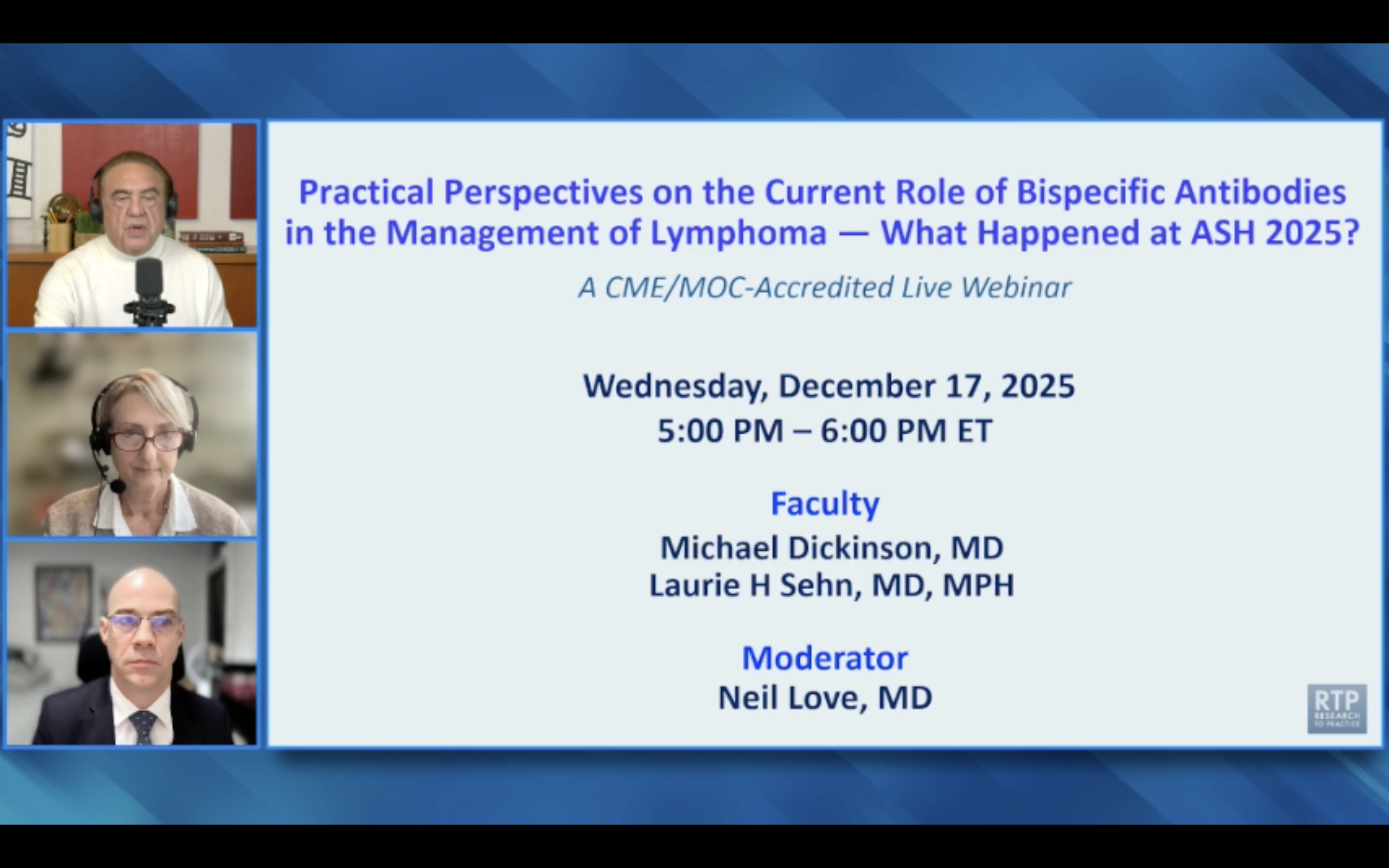
Giving tocilizumab prophylactically before bispecific antibody administration is a key strategy to mitigate Cytokine Release Syndrome. This practice, supported by NCCN guidelines and generally reimbursed, significantly reduces CRS risk, making it safer and more feasible to deliver these therapies in an outpatient setting.

To manage infection risk and improve quality of life, experts are quickly reducing bispecific antibody dosing frequency (e.g., to monthly) once a response is achieved. This real-world practice deviates from rigid trial schedules to optimize patient outcomes.
The IntentiMig trial showed that proactively administering tocilizumab with a bispecific antibody resulted in a zero percent incidence of cytokine release syndrome (CRS). This safety improvement could be pivotal for the broader adoption of bispecifics in community oncology settings, which are less equipped to manage severe side effects.

To manage hypogammaglobulinemia from bispecific antibodies, clinicians are adopting a more proactive approach. Following the model from myeloma care, they are initiating IVIG therapy earlier to prevent infections, rather than waiting for recurrent infections to occur as was standard with rituximab.
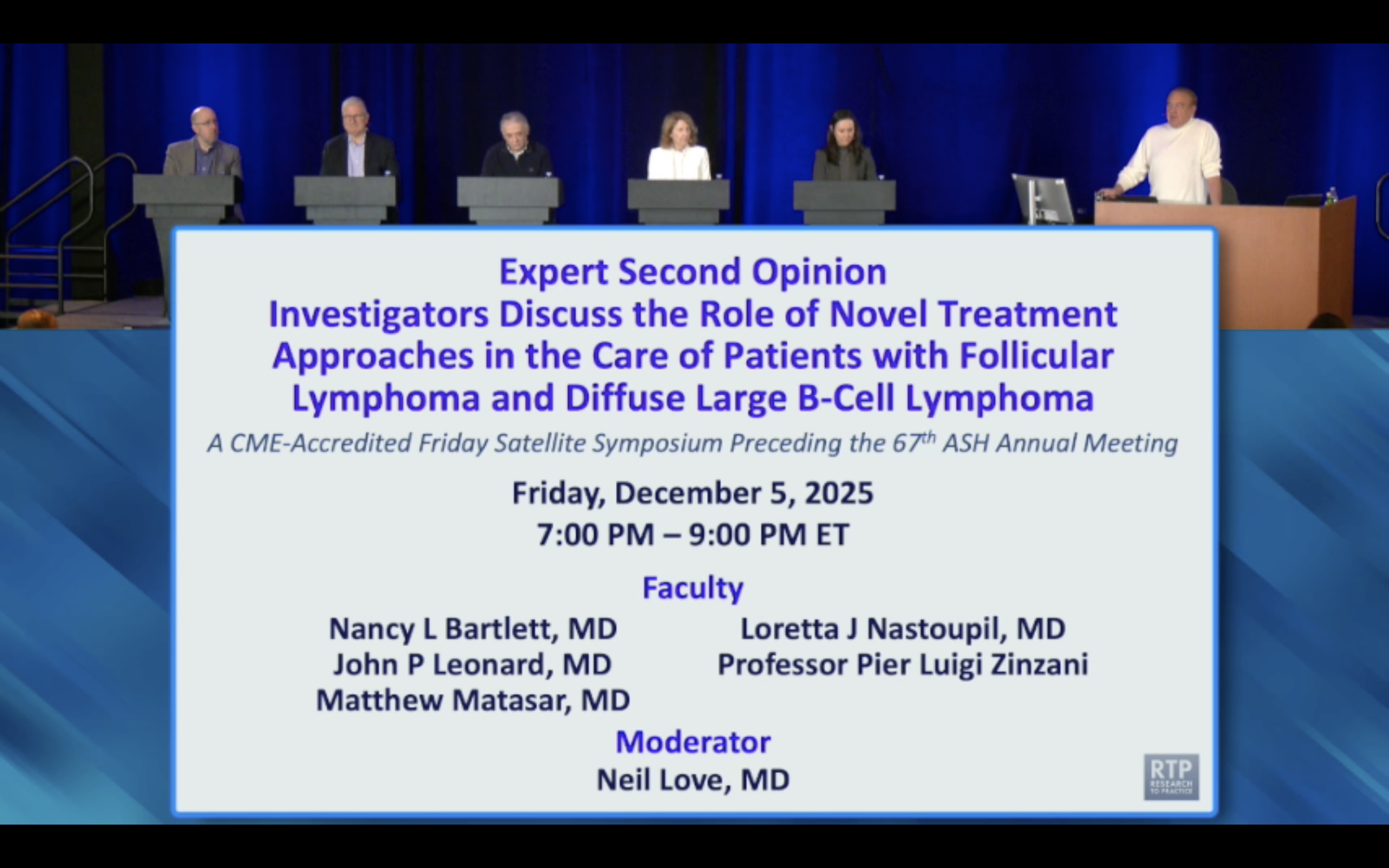
Severe nausea from the Claudin-18.2 antibody zolbetuximab dropped from ~20% in early trials to zero in a recent study. This was achieved not by changing the drug, but by clinicians learning and applying more effective proactive antiemetic strategies, demonstrating the power of evolving supportive care.

Giving prophylactic tocilizumab before bispecific antibody administration is a highly effective strategy to mitigate Cytokine Release Syndrome (CRS). This approach can reduce CRS rates from ~70% to 5-14%, making outpatient step-up dosing a much more feasible and safer option for community oncology centers.
