Get your free personalized podcast brief
We scan new podcasts and send you the top 5 insights daily.
The CDC's BioSense system monitors thousands of hospitals for outbreaks in real-time, but it misses a critical demographic. America's large homeless population operates outside this network, creating a dangerous blind spot where a pathogen could spread widely before being detected by public health officials.

Related Insights
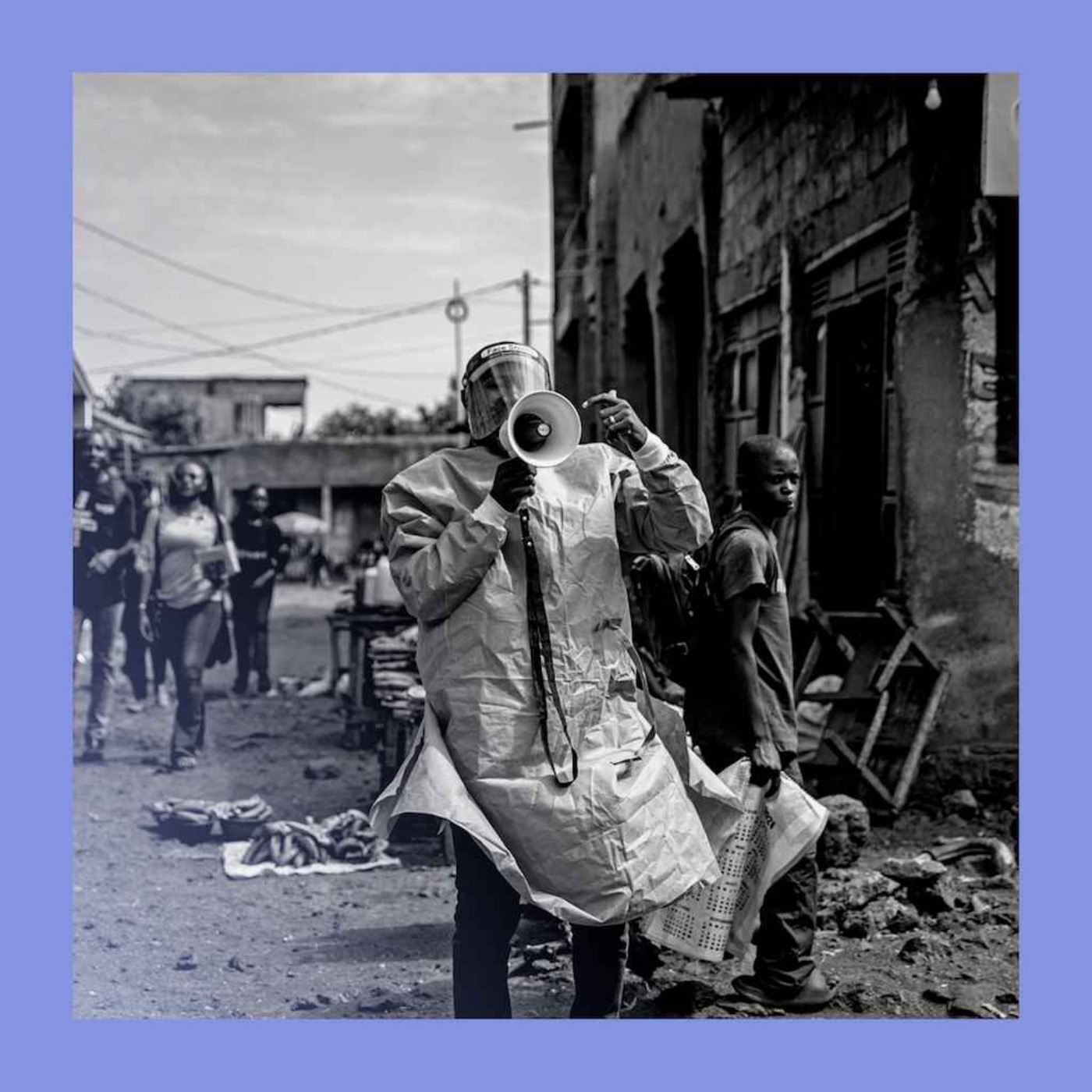
Africa's successful Ebola response formula—vaccines plus community health workers—is ineffective against the new Bundibudjo strain. This strain has no known vaccine and evades rapid genetic testing, demonstrating that a public health "immune system" is only as strong as its scientific tools, regardless of operational experience.

Much of the data on global health conditions is not collected locally in developing countries. Instead, it is extrapolated from data on wealthy, Western populations, leading to biased models and a flawed understanding of disease prevalence worldwide.

Research shows social determinants of health, dictated by your location, have a greater impact on your well-being and lifespan than your DNA. These factors include access to quality food, medical care, and environmental safety, highlighting deep systemic inequalities in healthcare outcomes.

An index measuring poverty, health, and social mobility reveals that the most disadvantaged places in the U.S. are not major cities like Chicago or LA, but rather rural counties in Appalachia, the South Texas border, and the Southern Cotton Belt.
Unlike military radar for missiles, the world has no passive, global alert system for emerging pathogens. We currently rely on a slow, reactive process where sick patients present symptoms at hospitals, significantly delaying detection and response, as was the case with COVID-19.

The goal of advanced in-home health tech is not just to track vitals but to use AI to analyze subtle changes, like gait. By comparing data to population norms and personal baselines, these systems can predict issues and enable early, less invasive interventions before a crisis occurs.

The widespread cyclospora parasite outbreak is a direct consequence of policy. The CDC's FoodNet surveillance program, which tracked the parasite for 28 years, was scaled back just before the largest outbreak on record, illustrating the severe, tangible cost of cutting public health infrastructure.

The next major biological threat may not be a single event like COVID-19, but rather 'waves and waves of new pandemics.' This is due to the increasing accessibility and decreasing cost of the knowledge and equipment needed to create novel pathogens, potentially allowing individuals to tinker with viruses in their basements, leading to frequent lab leaks.

Unlike Northeastern cities forced by harsh winters to legally guarantee shelter beds, California's climate allows for year-round survival outdoors. This lack of an external forcing function meant the state never built the necessary shelter capacity, leading to a high rate of unsheltered homelessness.

Effective epidemic response requires a coordinated system across three areas: logistical field operations (testing, isolation), political will (funding, governance), and scientific innovation (vaccine development). A failure in any one of these distinct fronts cripples the entire effort to contain a disease outbreak.