Get your free personalized podcast brief
We scan new podcasts and send you the top 5 insights daily.
While many synthetic biology firms manipulate single genes or circuits, Constructive Bio's core differentiation is its ability to engineer and harmonize entire genomes. This allows them to create new organisms with industry-relevant functions, representing a step-change from iterative genetic improvements.

Related Insights
Breakthroughs in bioprocessing occur at the intersection of molecular biology and process engineering. The most effective approach is an iterative cycle: engineer a strain for specific process needs, test it in a real bioreactor (not just a flask), and use that performance data to inform the next round of strain improvement.

Beyond boosting productivity, Novonesis employs genetic engineering as a safety tool. They modify production strains to remove any latent ability to become harmful, ensuring products for food and feed are exceptionally clean and safe, a key advantage over using wild-type strains.
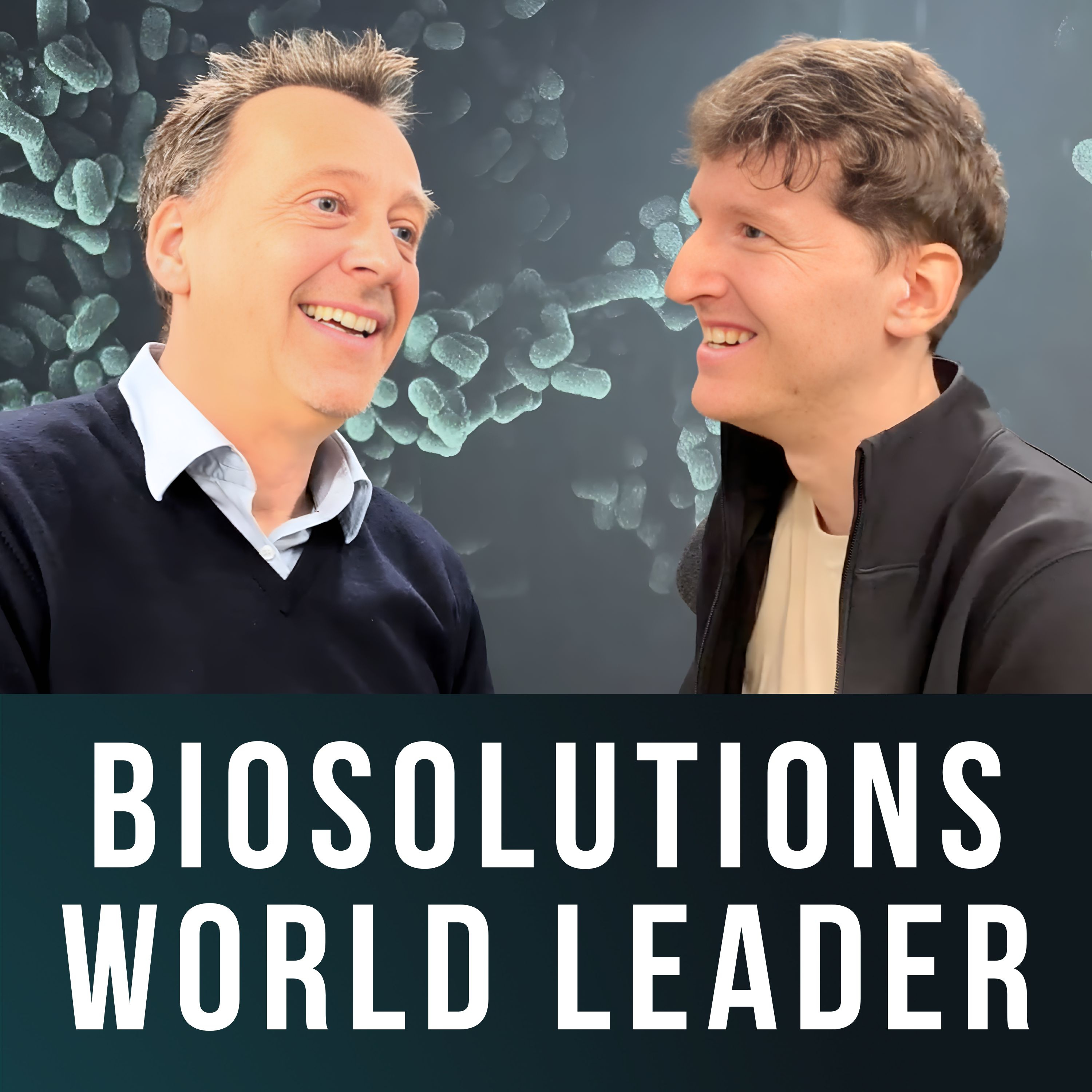
Instead of forcing a microbe to create a foreign product through extensive engineering, first identify what it is predisposed to make. Then, apply minimal genetic "nudges" to optimize existing pathways. This "downhill" approach creates a much more efficient and viable R&D process.
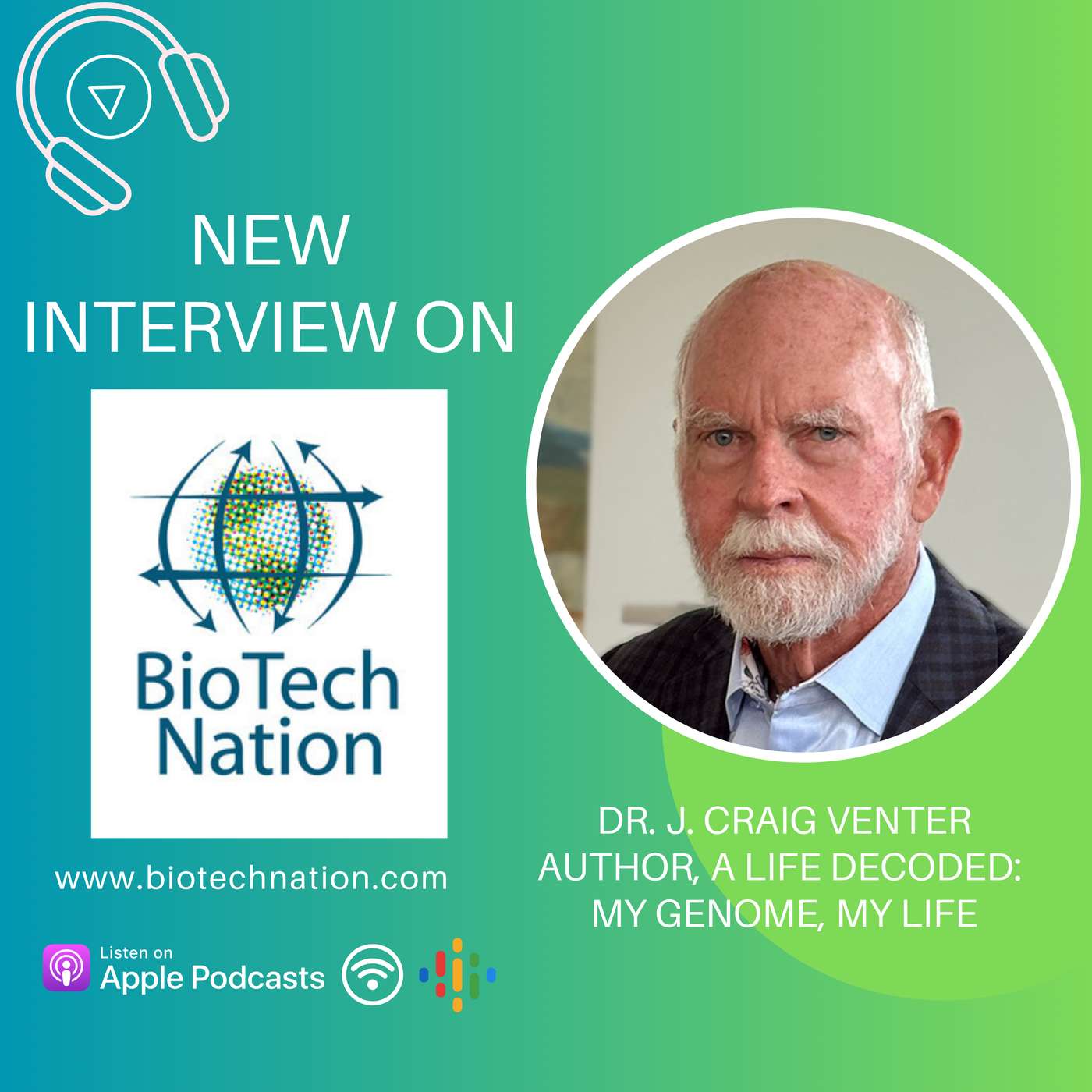
Dr. Venter describes synthetic biology's core breakthrough not just as writing DNA, but as "booting up" that DNA like software in a recipient cell. He details an experiment where transplanting a chromosome from one bacterium to another caused a "complete identity theft," converting the host into the donor species, proving chromosomes can function as bootable operating systems.
The prevailing biotech model is shifting from an asset-centric approach to one focused on creating a "learning system." The most successful future companies will be those with a repeatable engine for discovery and validation that can consistently generate new insights and a diversified pipeline of assets.
Unlike language models trained on existing internet data, Biohub's biological models require data that doesn't exist yet. Their strategy pairs a frontier AI lab with a "frontier biology" effort to invent new imaging and measurement tools, creating proprietary data streams to fuel their models.

The company's BioSeeker AI platform goes beyond discovery. After analyzing genomic data, it directly outputs the functional components for development: the 'guides' for their CRISPR therapeutics and the 'primers and probes' for their diagnostic tests, making AI a rapid creation tool.

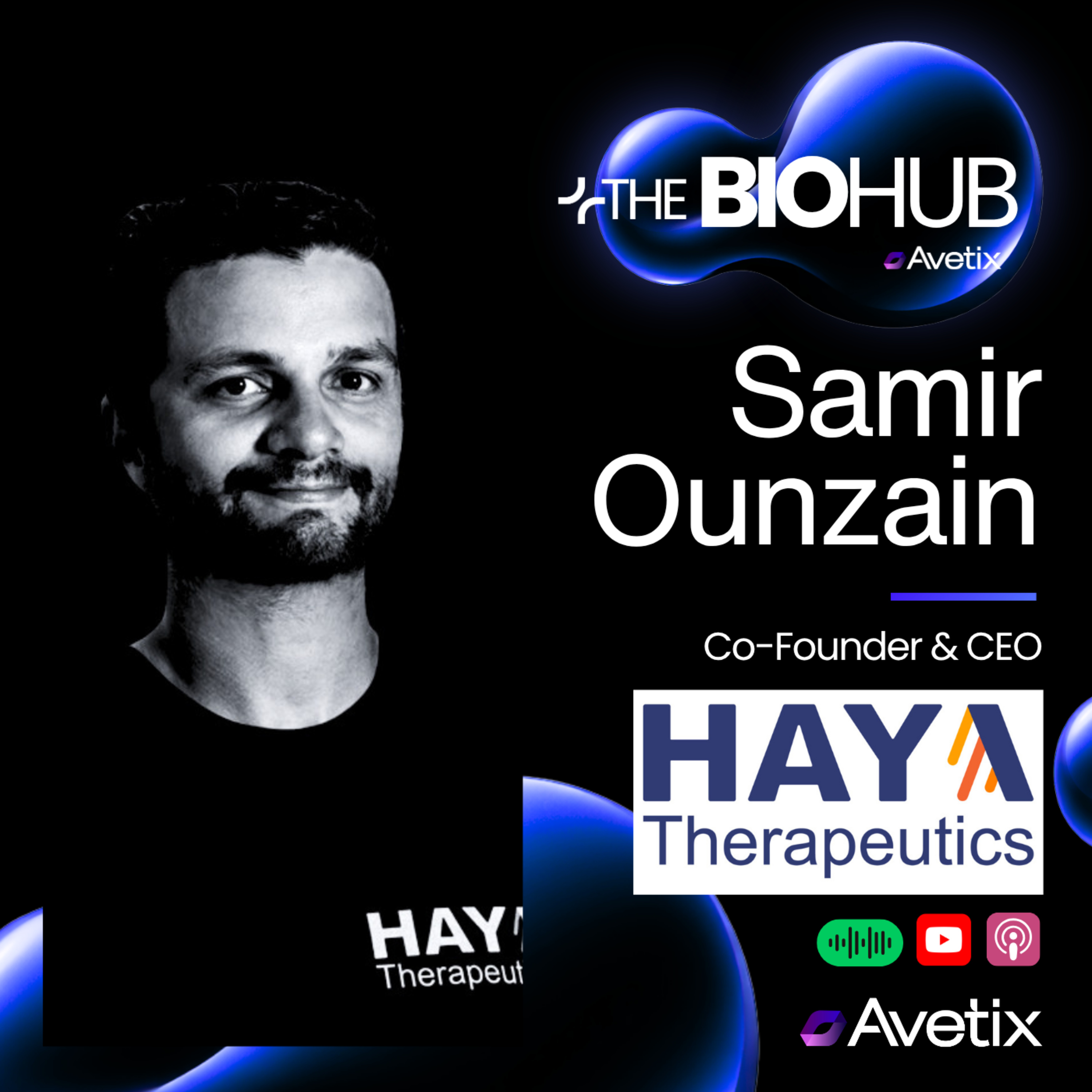
Haya's AI platform is differentiated by its focus on deconvoluting the "dark genome" to identify completely novel, "first-in-biology" targets. This contrasts with AI applications that merely optimize molecules for known biological pathways or targets.
Ginkgo split the challenge of programming biology into design (a "science problem") and testing (an "engineering problem"). They are focusing on the engineering side because it's a more predictable problem that can be systematically solved, unlike the unpredictability of scientific breakthroughs.
While AI can design countless new proteins, it is fundamentally limited by the 20 standard amino acids. The durable advantage for synthetic biology companies is the ability to build proteins with new-to-nature blocks, enabling chemical reactions and features that AI-designed proteins simply cannot achieve.