Get your free personalized podcast brief
We scan new podcasts and send you the top 5 insights daily.
Critical expertise doesn't always come from industry conferences or formal channels. The CEO of Versatope found a key CMC consultant at a Boy Scout event. This demonstrates the value of discussing your work in everyday settings, as crucial team members can be found in the most unexpected places.

Related Insights
Gary Vaynerchuk's team approaches new industries by meeting key people with no specific ask. They build a network by offering help first, trusting that value—whether an investment, podcast guest, or key insight—will naturally surface later.

Zev Sunleaf advises active participation in industry groups not just for networking, but for serendipitous problem-solving. By attending a casual event, he found a company that could build a specific AI tool he had sought for years, illustrating how "showing up" can lead to direct, tangible business outcomes.

Digital tools are powerful, but physical proximity remains key for networking. By making a high-value location your 'office'—even on a budget, like Jesse Itzler at the Beverly Hills Hotel—you create opportunities for repeated, casual encounters that lead to career-changing connections.

Before seeking expensive external help or assuming you lack connections, meticulously audit your current network. The solution to a major career challenge, like breaking into a new industry, is often just one introduction away from someone you already know. Your network is more powerful than you think.
![Why you need a personal board of directors [Uncensored Renegades] thumbnail](https://img.transistorcdn.com/VIH3Rn5ET8-eHQxgBGNydnhXL95pc10_Kq7qTpjezuc/rs:fill:0:0:1/w:1400/h:1400/q:60/mb:500000/aHR0cHM6Ly9pbWct/dXBsb2FkLXByb2R1/Y3Rpb24udHJhbnNp/c3Rvci5mbS9zaG93/LzQ3MzEvMTU3MDAz/MjQ3NC1hcnR3b3Jr/LmpwZw.jpg)
The speaker's podcast wasn't just a content play; it was a clever solution to a business problem. He needed to build a network of Chief Revenue Officers to help portfolio companies hire. The podcast provided a compelling, non-transactional reason to connect with top-tier talent he otherwise couldn't access.

NervGen's CEO, Adam Rogers, was introduced to the company when his son, interning for board advisor Rich Macary, was assigned to research NervGen. This highlights the unexpected and informal networks through which key executive talent can be sourced, originating from a simple internship assignment.

Nathan's founder group shares an office, which acts as a physical hub that attracts other interesting people. This deliberately engineered environment generates high-leverage, serendipitous meetings that far outperform online networking, proving that "IRL > URL."

As you get older, your professional and social networks naturally become more distant from up-and-coming talent. To counteract this, create 'magnets'—like a recreational sports team—that attract ambitious young people, providing an alternative channel for talent identification and sourcing outside of traditional networks.
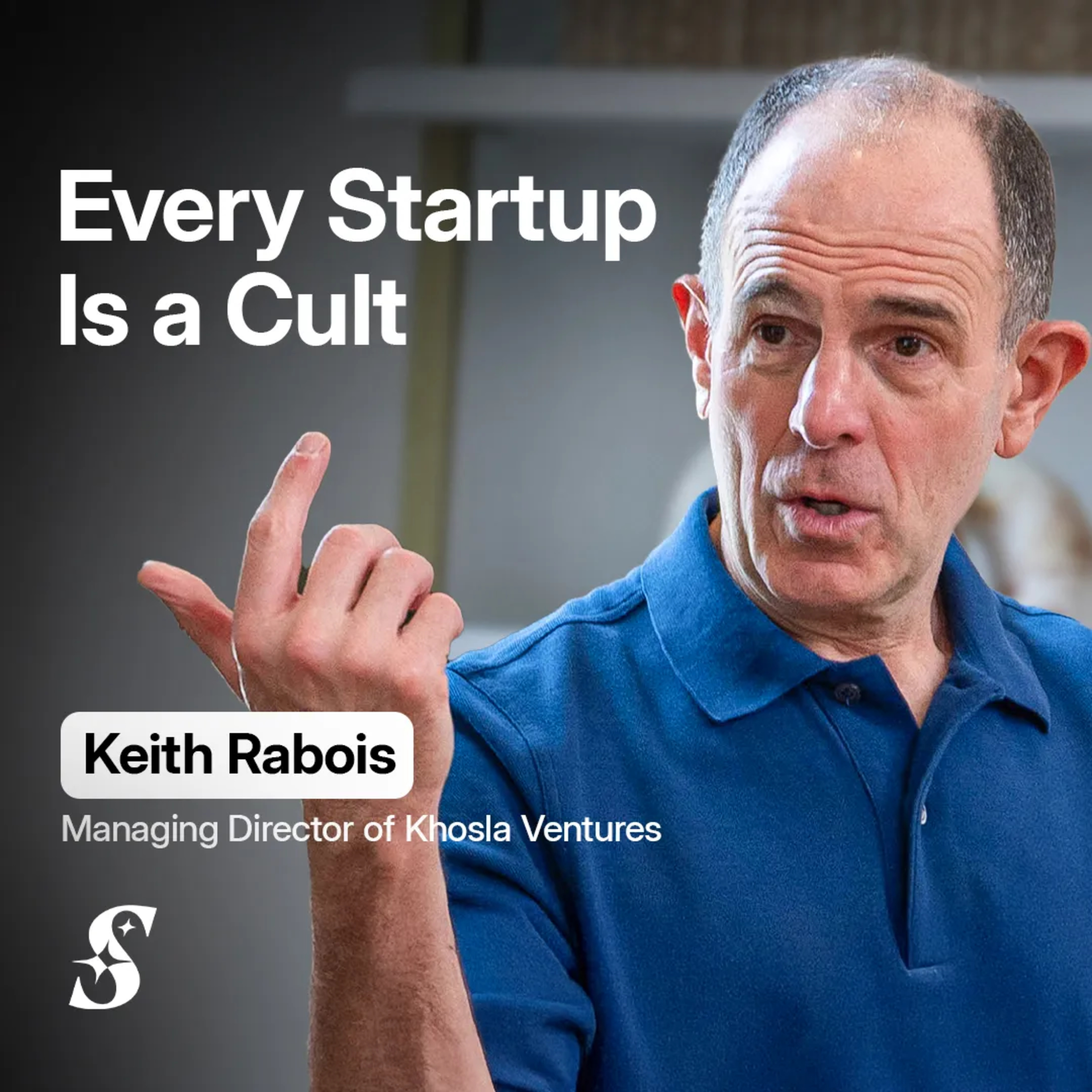
Transformative career moments often come from "who luck"—unexpected encounters with pivotal people. While you can't plan these moments, you can increase their probability by fighting reclusive tendencies and putting yourself in the "flow of bumping" into new people and conversations. It's about cultivating awareness, not transactional networking.

Rejecting conventional headhunters and pedigrees, WCM actively sources talent from unique places. They successfully hired a key team member after discovering his insightful investment commentary on Twitter, where he was posting under a fake name, proving that talent can be found anywhere.
![[REPLAY] Paul Black and Mike Trigg – How to Build a $100B Money Manager (Capital Allocators, EP.227) thumbnail](https://static.libsyn.com/p/assets/f/b/7/6/fb76e1c8bfb69e8dd959afa2a1bf1c87/CA_Square_logo_light_background_6.26.24.jpg)