Get your free personalized podcast brief
We scan new podcasts and send you the top 5 insights daily.
Instead of consuming opinion-based news, engaging with prediction markets like Polymarket forces a more rigorous understanding of events. By focusing on probabilities and allowing you to bet against a narrative, they cultivate better critical thinking skills.

Related Insights
The primary value for the vast majority of prediction market users isn't trading but consuming the market's data as a form of real-time, aggregated news. This reframes the user base as a media audience of 'lurkers' rather than a community of active traders.

Prediction markets are no longer a niche hobby. Major outlets like CNN, Bloomberg, and The Wall Street Journal are integrating their data due to high accuracy, such as CalShi's 100% correct predictions on Fed rate cuts, making them a powerful tool for professional analysis and storytelling.

Thomas Peterffy believes prediction markets provide a clearer consensus than economists' disparate opinions. He envisions economists participating by trading their views, forcing them to put money behind their predictions and letting the market determine their credibility, thus replacing punditry with a single tradable number.

While both involve risk, prediction markets like Polymarket allow for bets on real-world events where an individual can have a genuine analytical edge. This contrasts with the uninformed, "degenerate" speculation common in meme coins, offering a potentially more rational outlet for risk capital.

The true value of prediction markets lies beyond speculation. By requiring "skin in the game," they aggregate the wisdom of crowds into a reliable forecasting tool, creating a source of truth that is more accurate than traditional polling. The trading is the work that produces the information.

Prediction markets are better suited for betting on the knowable outcomes of repeatable, pre-planned "pseudo-events" (like product launches or debates) rather than genuine, unpredictable "news" (like a car crash). This distinction is key to their business model, which blurs the line between information and entertainment.
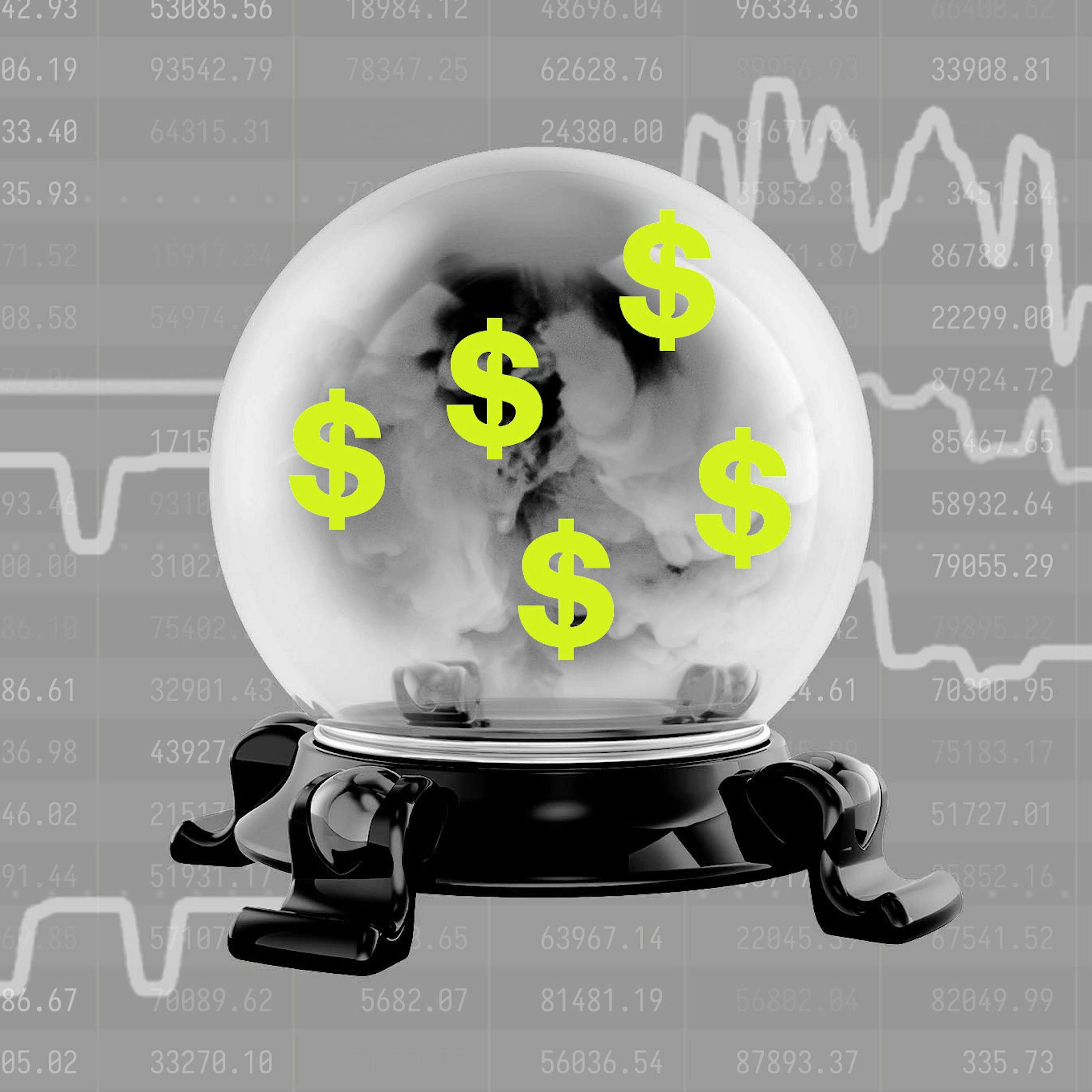
Tarek Mansour reframes his controversial comment, arguing that prediction markets combat social media's engagement-driven noise. By attaching a financial stake, markets create a powerful incentive for objectivity and truth discovery, serving as an antidote to misinformation and polarization.

The financialization of everything, particularly through prediction markets, is defined as "the absence of politics." Instead of relying on trust in experts (politics), these markets force participants to put money where their mouth is, creating an objective measure of confidence based on liquidity at risk.

Kalshi's growth is fueled by rising public distrust in traditional news and polarized social media. While the incentive for most media is clickbait, prediction markets provide a powerful alternative: a financial structure where accuracy is the sole goal, creating a more reliable source of information for users.

Analysis shows prediction market accuracy jumps to 95% in the final hours before an event. The financial incentives for participants mean these markets aggregate expert knowledge and signal outcomes before they are widely reported, acting as a truth-finding mechanism.