Get your free personalized podcast brief
We scan new podcasts and send you the top 5 insights daily.
Testimony from insiders like Greg Brockman and Ilya Sutskever suggested Musk is "not really serious about AI." This, combined with admissions that his model Grok was built improperly, suggests his efforts are far behind the frontier.

Related Insights
Greg Brockman’s court testimony about Elon Musk's alleged anger and lack of AI knowledge shows that founder disputes over equity and control are not just business. They involve personal assessments of competence and can become highly emotional, as seen in the Musk vs. OpenAI trial.

In court testimony, OpenAI's Greg Brockman revealed a key source of friction with Elon Musk: a perceived lack of AI intuition. Brockman cited an instance where Musk dismissed an early ChatGPT demo as "stupid," causing the OpenAI team to lose faith in his technical judgment on AI matters, which contributed to their eventual split.

Elon Musk is publicly framing xAI's significant leadership turnover as a necessary "rebuild," stating it "was not built right the first time." This candid admission of foundational issues clashes with the massive $250 billion valuation assigned to the company following its recent merger with SpaceX.
In his lawsuit against OpenAI, Elon Musk's credibility as an AI safety champion was undermined during cross-examination. He was reportedly clueless about basic industry safety practices like "system cards" and OpenAI's own safety protocols, revealing a significant gap between his public pronouncements and his technical knowledge.
OpenAI's legal team strategically revealed Musk's xAI is "partly distilling" OpenAI's technology. This was used to portray him as a hypocrite—simultaneously claiming the tech is world-ending while also breaking terms of service to improve his own for-profit competitor.
According to sources, xAI's strategy is reactive, primarily focused on copying innovations from OpenAI and Anthropic rather than charting its own course. This lack of vision leads to internal frustration and a reputation for embarrassing, 'edgy' features rather than real breakthroughs.
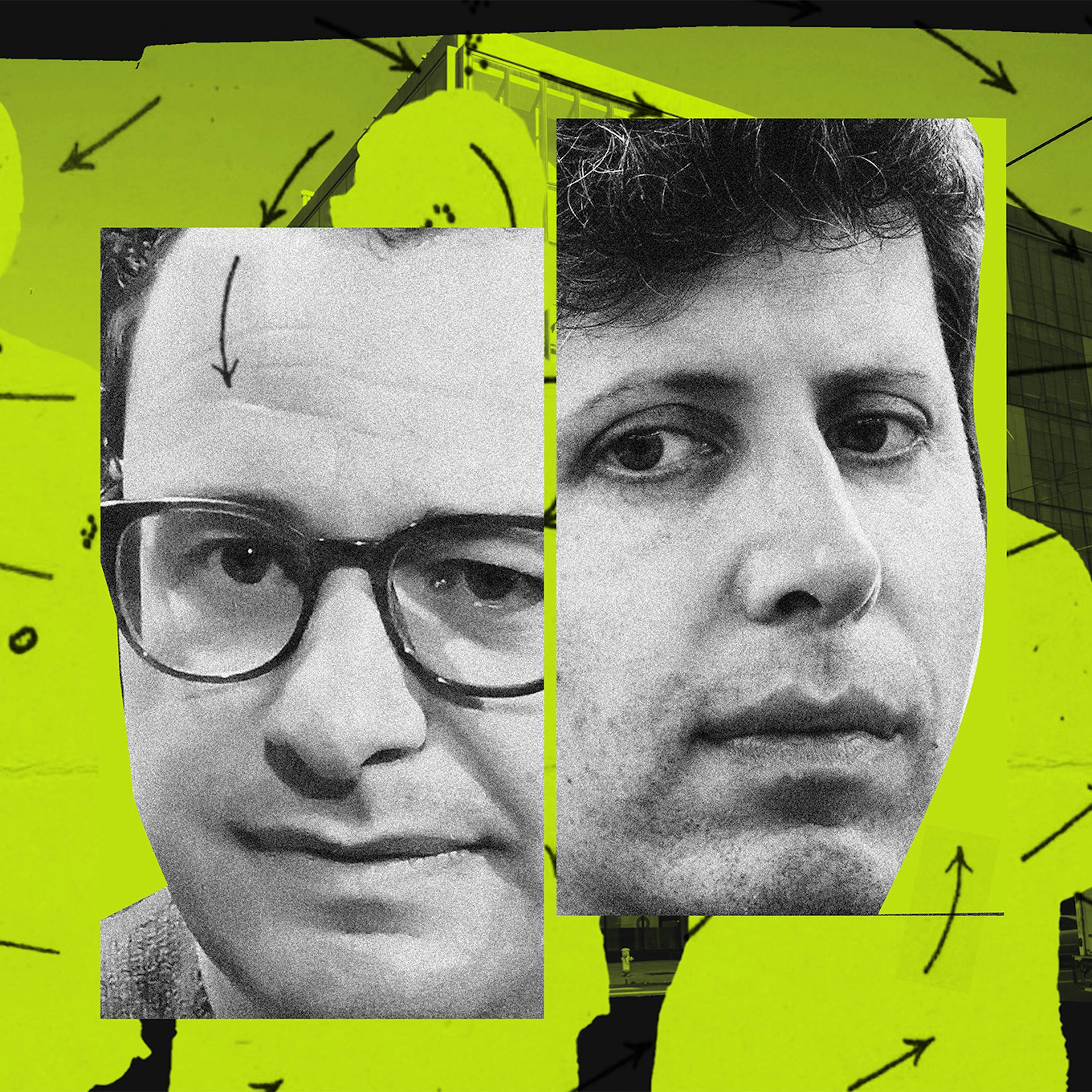
A key argument in the Musk vs. OpenAI trial is Greg Brockman's assertion that Elon Musk does not deeply understand AI. Brockman's testimony aims to underscore that Musk is not equipped to properly assess AI capabilities or lead a frontier research lab effectively.

Despite investing massive amounts in compute, Meta and Elon Musk's XAI are falling further behind AI leaders like Anthropic and OpenAI. This isn't a resource problem but a human one. Their inability to attract and retain the top-tier talent needed for frontier model execution is the fundamental reason for their widening gap with the leaders.

Despite a high valuation, xAI is undergoing a complete overhaul, with Musk admitting it "was not built right the first time." The departure of the original team and hiring of key leaders from competitors like Cursor indicates its initial value was tied more to Musk's brand than to stable assets.

XAI is experiencing a foundational crisis, with six of its twelve co-founders departing. The exodus follows projects falling short of Elon Musk's expectations, prompting him to state the company "was not built right the first time," highlighting extreme talent and execution challenges in the AI race.
