Get your free personalized podcast brief
We scan new podcasts and send you the top 5 insights daily.
Rather than viewing his long tenure at Pfizer as the final destination, Doogan frames it as a crucial learning period. This "apprenticeship" provided invaluable experience with drug development, failure, and industry dynamics, which directly enabled his later success as a biotech founder and executive.

Related Insights
In a tough funding environment, John Maraganore cautions against rushing into founding a company. He recommends that aspiring entrepreneurs first spend 5-10 years at a successful biotech. He argues that when capital is scarce, investors prioritize experienced operators, making deep industry experience a critical prerequisite for getting funded.

Instead of rushing in, the founders spent over a decade preparing. Mike learned design at Ralph Lauren, and Alex learned finance on Wall Street. This patient, deliberate skill acquisition provided the foundation for their venture.

Dr. Vibha Jawa's career shows a powerful strategy: learning drug development fundamentals in large companies (Amgen, Merck) and applying them in nimble startups. This cycle across different environments accelerates learning and deepens expertise in a specialized field like immunogenicity.

Quoting Amgen founder George Ratham, the podcast guest emphasizes that a true biotech company must "walk through the valley of death"—experiencing near-bankruptcy multiple times. This trial by fire is not a sign of failure but a necessary process for building the character required for ultimate success.

Kevin Pojasek credits his effectiveness to a deliberate 12-year journey through diverse roles—investing, company creation, research, and clinical operations. This broad experience allows a leader to understand how all parts of the company, from high-level strategy to detailed science, fit together.
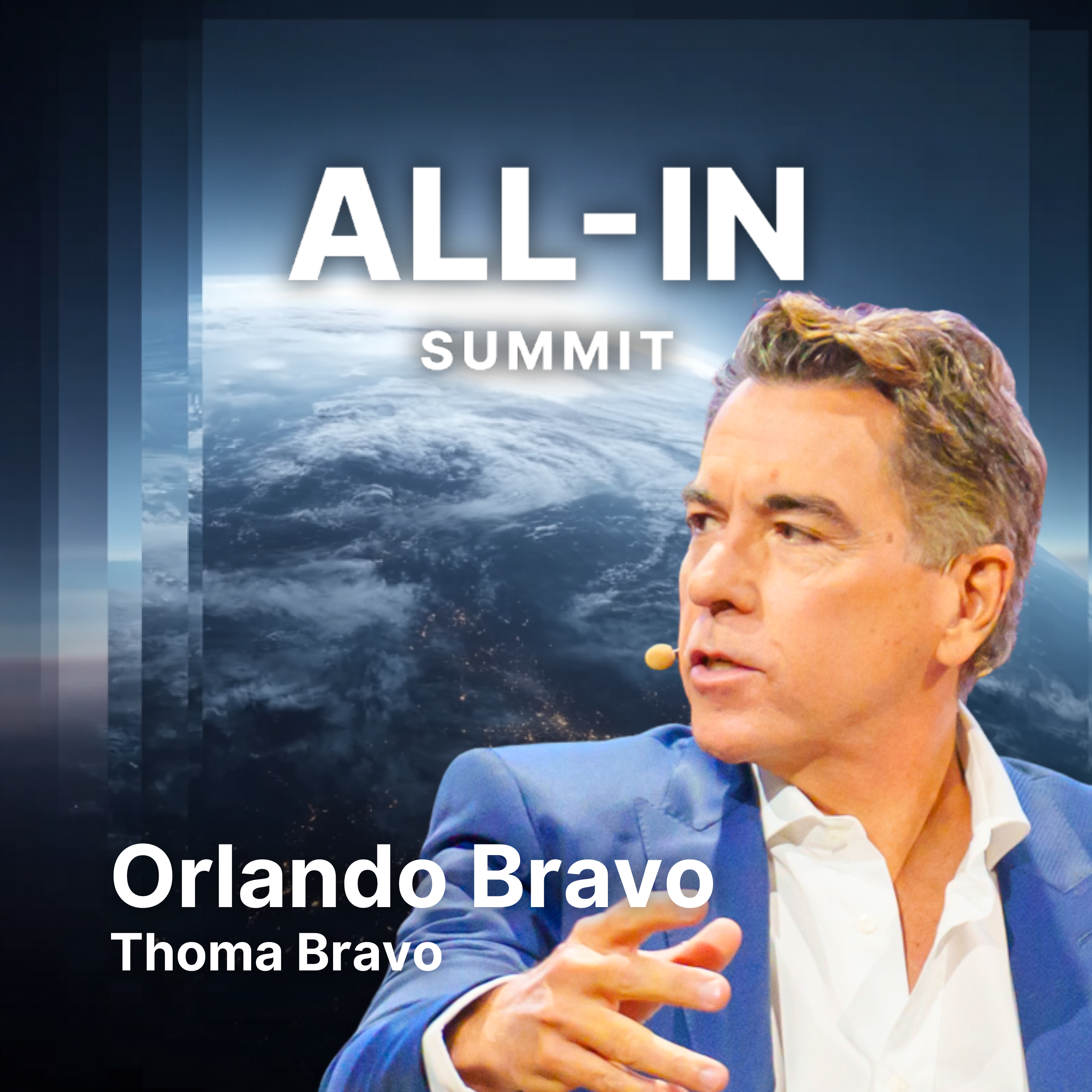
Contrary to the typical founder narrative of invention, Orlando Bravo emphasizes that his career was built on execution and disciplined learning. He actively listened to his mentors, absorbing their playbooks rather than trying to invent his own, suggesting apprenticeship can be a faster path to success.
Ron Cooper credits his success not to being a "scaling guy" at Bristol-Myers Squibb, but the "fix-it guy." Being deployed to turn around struggling business units across different geographies and therapeutic areas provided the multicultural, problem-solving toolkit essential for navigating the constant challenges of leading a biotech startup.

Unlike software startups that can "fail fast" and pivot cheaply, a single biotech clinical program costs tens of millions. This high cost of failure means the industry values experienced founders who have learned from past mistakes, a direct contrast to Silicon Valley's youth-centric culture.

Kenai CEO Nick Manusos attributes his startup success to his varied background at Abbott Labs, moving from manufacturing to sales to BD. This breadth prepared him to handle the multifaceted demands of a startup, where a leader must be a generalist who is comfortable with constant change.
Declan Doogan's motivation for leaving a 25-year career at Pfizer wasn't just to start one company. He sought "agency"—the freedom from being tied to a single large employer, enabling him to engage in a broad portfolio of partnerships and ventures in the more dynamic and exciting startup world.