Get your free personalized podcast brief
We scan new podcasts and send you the top 5 insights daily.
Financiers invested massive capital into railroads, telegraph lines, and heavy steel production without anticipating packaged consumer goods. However, this foundational transport network enabled companies like Procter & Gamble and national department stores to achieve massive economies of scale by externalizing heavy logistical costs.

Related Insights
History shows pioneers who fund massive infrastructure shifts, like railroads or the early internet, frequently lose their investment. The real profits are captured later by companies that build services on top of the now-established, de-risked platform.

Cargill became the world's largest middleman by building and controlling essential physical assets like grain elevators and shipping. This strategy defies the "cut out the middleman" mantra, showing that owning critical chokepoints in a supply chain can create immense, defensible value.

Rockefeller squeezed marginal increments across barrel production, piping, storage, and distribution rather than relying on single innovations. Because competing refineries also paid Standard Oil to utilize its superior distribution infrastructure, these small efficiency gains gradually compounded into an insurmountable cash-generating moat.
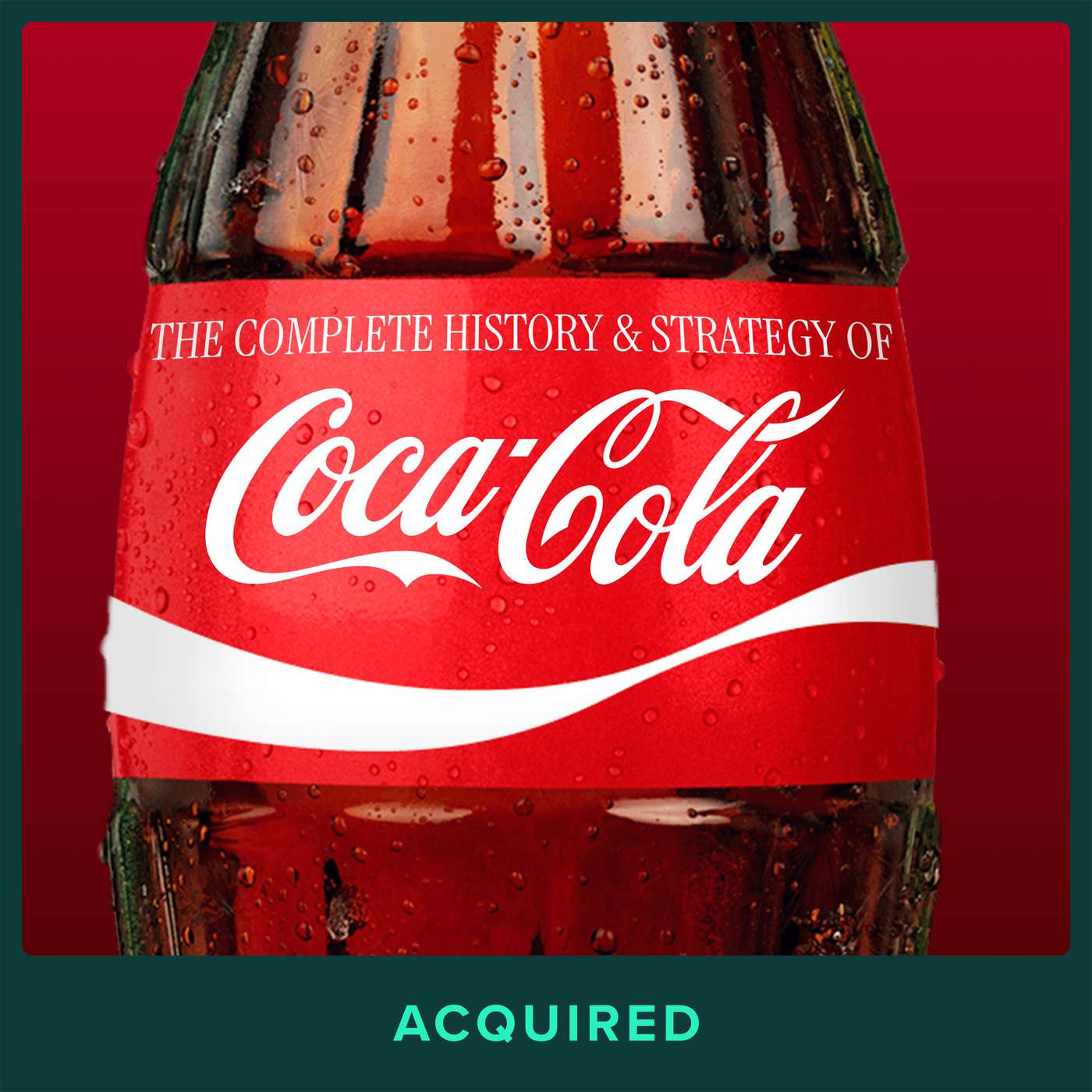
Coca-Cola gave away bottling rights for free in a perpetual contract. This seemingly terrible deal offloaded capital expenditure and operational complexity, enabling rapid, asset-light scaling through a franchised network of local entrepreneurs who built the distribution system.
Scale creates a powerful barrier to entry in logistics. A dominant provider with a vast network can add a new, specific service (like pallets for celery) to its existing operations far more cheaply than a new competitor could build a network for that single service, effectively locking out competition.

Overenthusiasm during tech bubbles leads to massive overinvestment in infrastructure, like the fiber optic cable laid during the dot-com boom. When the bubble bursts, this infrastructure is acquired for pennies on the dollar, enabling the next generation of companies (like YouTube) to thrive cheaply.
Major tech shifts like canals, railways, and fiber optics consistently wiped out their initial funders who financed essential but unprofitable infrastructure. A second wave of companies then acquired these assets for pennies on the dollar and built enormously valuable businesses on top.

The rise of capital-intensive industries didn't just happen organically; it was a response to a market problem. Excess capital needed to be deployed but was blocked by lean software models. High-CapEx businesses like AI were created, in part, as "sponges" to absorb this capital.

While disastrous for many investors, historical bubbles like the dot-com boom and railway mania left behind massively overbuilt infrastructure (fiber optics, rail networks). This infrastructure became cheap and abundant post-crash, enabling subsequent waves of innovation that benefited society for decades.

Bubbles have a paradoxical benefit. While they cause immense financial pain for investors caught in the crash, the frenzied capital allocation during the boom often funds transformative infrastructure. The railroad and dot-com bubbles, for example, left behind the national rail network and the fiber-optic backbone of the modern internet.