Get your free personalized podcast brief
We scan new podcasts and send you the top 5 insights daily.
Computer science history is filled with human drama. Edsger Dijkstra, for example, wrote his seminal "Notes on Structured Programming" during a period of deep professional depression, highlighting that personal struggles often fuel foundational technical work.

Related Insights
History shows that major breakthroughs are often preceded by someone who meticulously defines a problem, attracting solvers to it. However, society celebrates the solver, not the definer. Spending more time on precise problem definition is a powerful, yet under-appreciated, path to innovation.

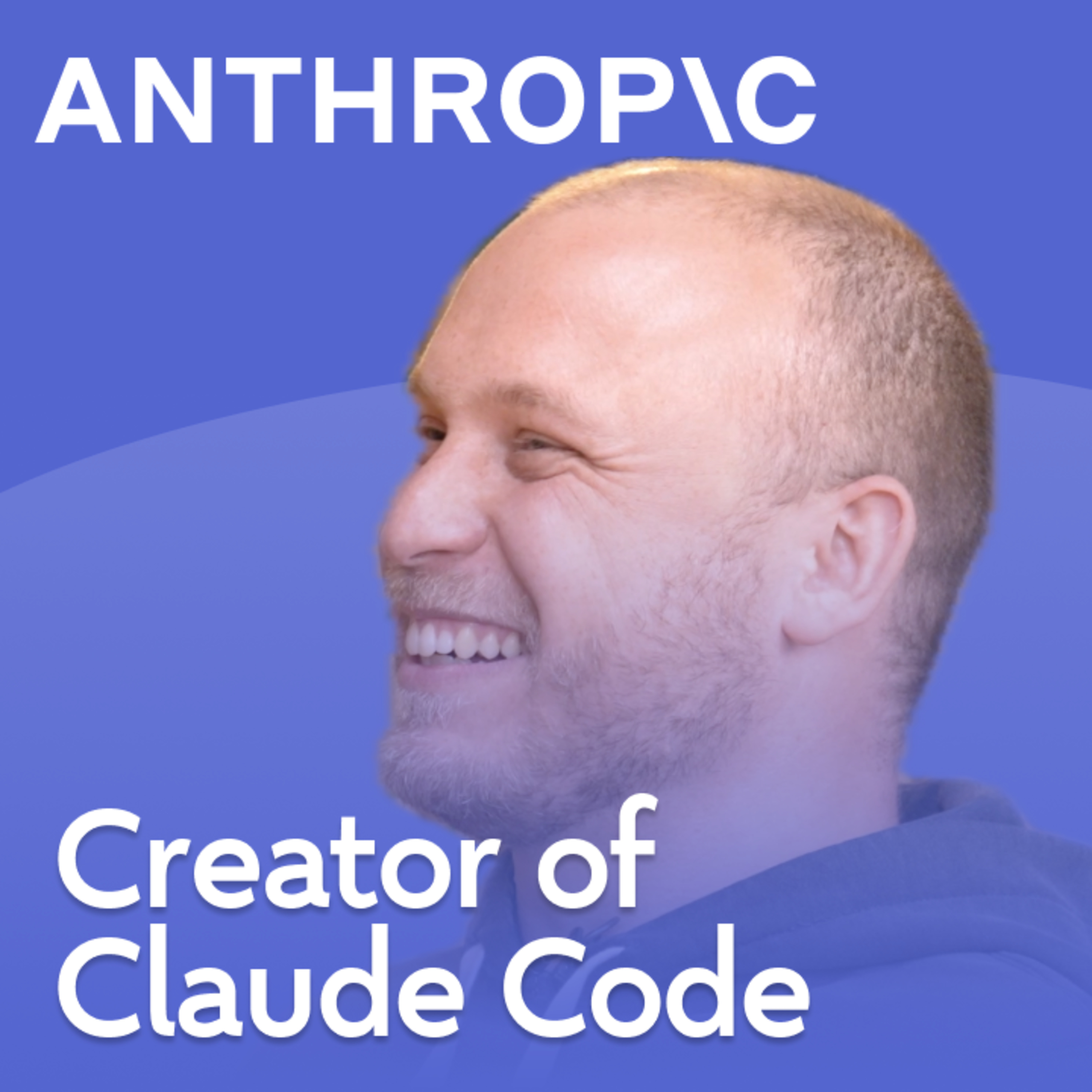
A severe physical limitation can be an unexpected catalyst for growth. Boris Cherny, after breaking both arms, was forced to find languages with fewer keystrokes. This led him to discover the power and efficiency of functional programming, fundamentally improving his coding approach.
Claude Shannon's indecisiveness about majoring in math or engineering inadvertently became his greatest strength. This dual training gave him a unique ability to blend abstract theory with practical application, a combination essential for his breakthroughs in information theory.

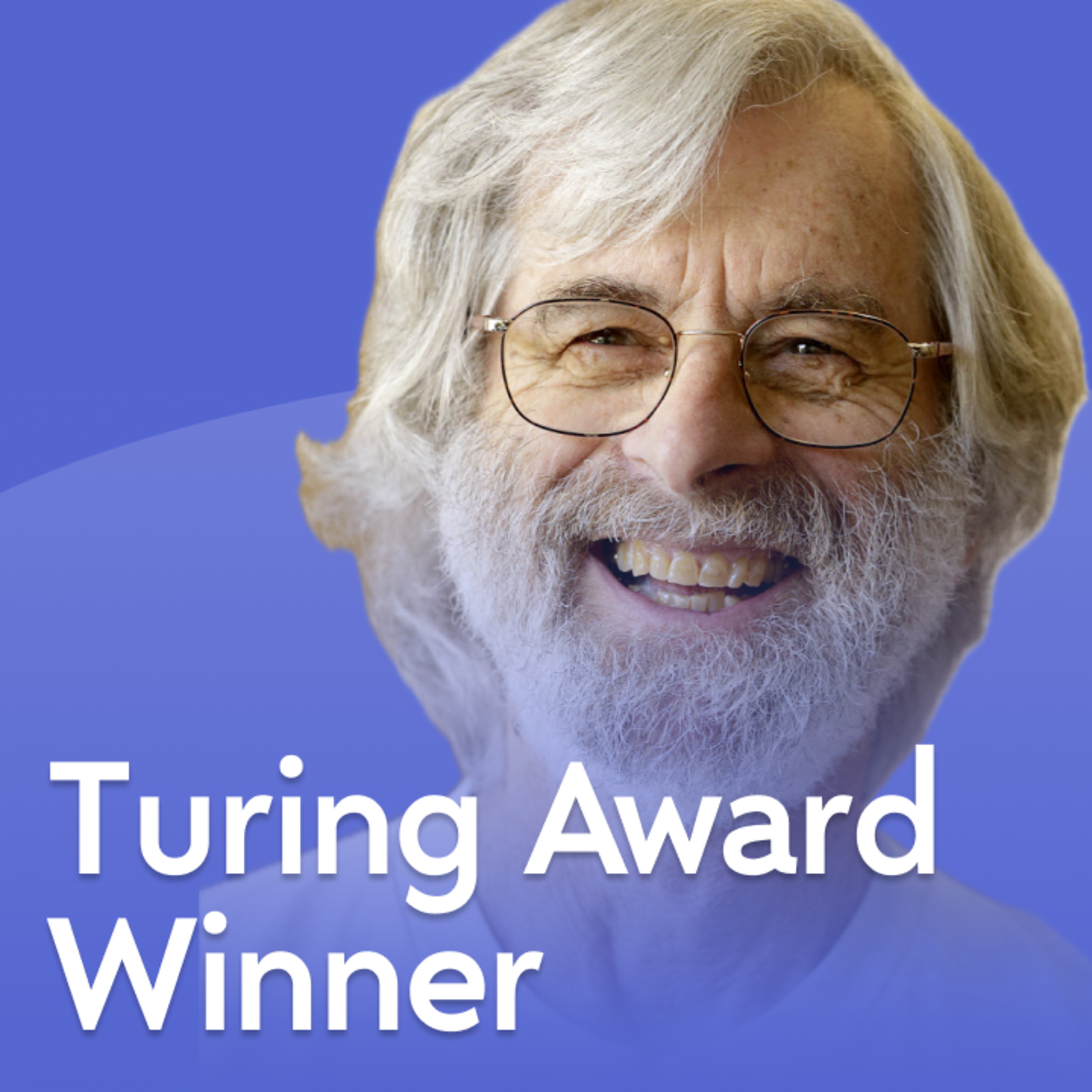
To ensure his critical work on fault tolerance was widely understood, Lamport created the "Byzantine Generals" narrative. He learned from Dijkstra's "Dining Philosophers" that a memorable story is key to an idea's popularity and adoption, even if the underlying problem is complex and highly technical.
Former Dropbox CTO Aditya Agarwal describes a personal journey with AI coding. The initial reaction is "profound wonder" followed by "a sense of grief" as a core part of his identity becomes automated. This emotional process is a prerequisite to embracing the new paradigm and achieving a state of manic, creative energy.

The process of struggling with and solving hard problems is what builds engineering skill. Constantly available AI assistants act like a "slot machine for answers," removing this productive struggle. This encourages "vibe coding" and may prevent engineers from developing deep problem-solving expertise.

A pivotal negative experience can completely redirect a prodigy's life mission. After being humiliated in a chess match, DeepMind's founder Demis Hassabis quit the game, believing the brainpower was better spent solving major world problems like curing cancer, which set him on the path to AI.

The most successful AI applications often stem from a founder's deep personal connection to the problem. For instance, the creator of a life-saving sepsis prediction model was a brilliant computer scientist whose own nephew had died from the disease, making its success inextricable from her motivation.

The greatest technological and medical breakthroughs often come from individuals maniacally obsessed with their work, frequently at the expense of their own health, relationships, and happiness. Society benefits immensely from their personal sacrifices.

The world's best products, like programmer Eric Gamma's VS Code (his fourth editor), are often the result of a creator dedicating their entire career to a single problem space, achieving a level of craftsmanship impossible for newcomers.