Get your free personalized podcast brief
We scan new podcasts and send you the top 5 insights daily.
TMC builds loyalty by outsourcing key programming decisions. Using simple polls, they let members vote on event topics and nominate speakers. This co-creation process ensures content is always relevant and gives members a powerful sense of ownership over the community's direction.
Related Insights
Ty Haney, founder of Outdoor Voices, reveals a key community-building step: relinquish brand control. By empowering super fans to host local events, the brand turns them into 'co-owners' of the experience. This generates more authentic engagement and word-of-mouth than centrally-managed marketing ever could.

Patreon's CEO outlines three concrete tactics from the book "Super Fandom" to deepen engagement. Encourage "pilgrimages" (live events), facilitate fan co-creation (user-generated content), and enable fans to create collections and catalogs related to your brand.

To foster genuine advocacy with technical audiences, you must go beyond swag. Grant them a sense of ownership by incorporating their ideas into the roadmap and providing APIs to extend the product. Then, make it incredibly easy for them to share their creations and be sure to celebrate their contributions publicly.

Instead of just gathering feedback, Set Active actively involves its community in creating two major collections per year, letting customers vote on colors, styles, and designs. This transforms them from passive consumers into active stakeholders, ensuring the product resonates and generates guaranteed excitement and sales upon launch.
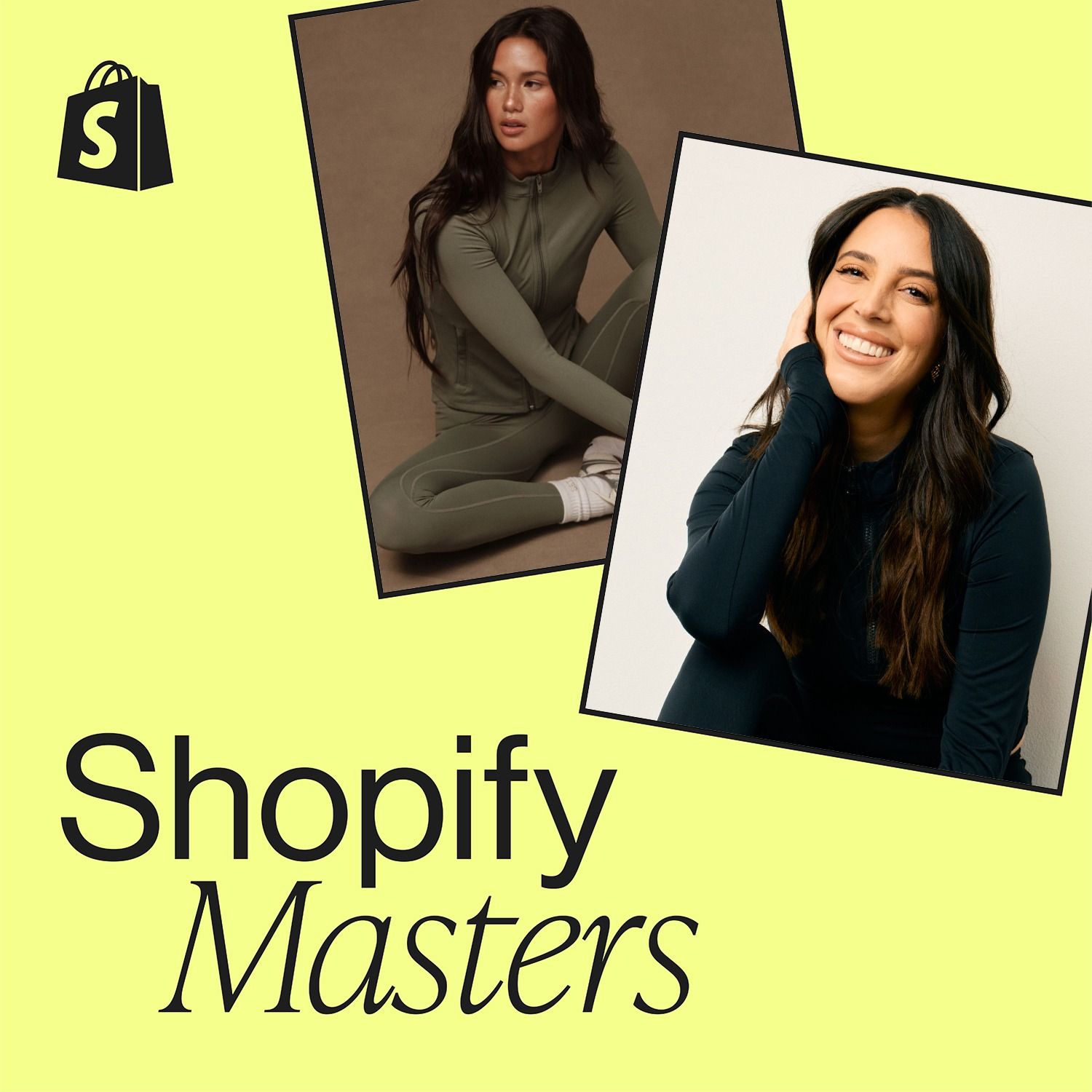
By empowering ambassadors to host local events, Outdoor Voices turned passive fans into active co-owners. This gave events authentic authorship, making them more powerful for attendees and creating a self-perpetuating flywheel of community growth and brand loyalty.
To foster deep engagement, creators must transition from owner to community steward. Explicitly framing the platform as belonging to the audience encourages active participation and transforms passive consumers into co-creators invested in its success.

To turn passive listeners into an active community, Klue created a feedback loop for their podcast. After each episode, the brand and creators posted on LinkedIn asking the audience to vote for their favorite segment. This coordinated effort boosted engagement and provided valuable feedback for future episodes.

When narrowing down ideas, replace generic dot-voting with prompts tied to strategic goals. Ask participants to vote based on criteria like "potential to generate X million in revenue" or "ability to increase customer retention." This ensures the winning ideas directly address core business objectives.

Instead of a top-down agenda, Brad Jacobs has his leadership team collaboratively create it for key meetings. Attendees submit and rank questions based on pre-read materials. Only the highest-rated topics make the final agenda. This bottom-up approach ensures the meeting focuses on what the team collectively deems most critical.
Treat your community as a co-creation, not a top-down product. Generalist World empowers members to pitch and run their own initiatives (e.g., "job search councils"). The founders act as orchestrators, providing support and removing themselves as the bottleneck for value creation.