Get your free personalized podcast brief
We scan new podcasts and send you the top 5 insights daily.
Before starting Ledge, the founder left the unicorn Melio before its acquisition by Xero. He knowingly gave up unvested options worth a "seven-digit" figure, a concrete example of the extreme personal risk and conviction required to pursue a new venture, even when leaving a lucrative role.

Related Insights
Unlike many founders who test ideas while employed, Hale fully committed by quitting his job immediately. This forced him to "make something out of this" and removed the safety net, creating immense pressure to succeed from day one and ensuring his full focus was on the venture.

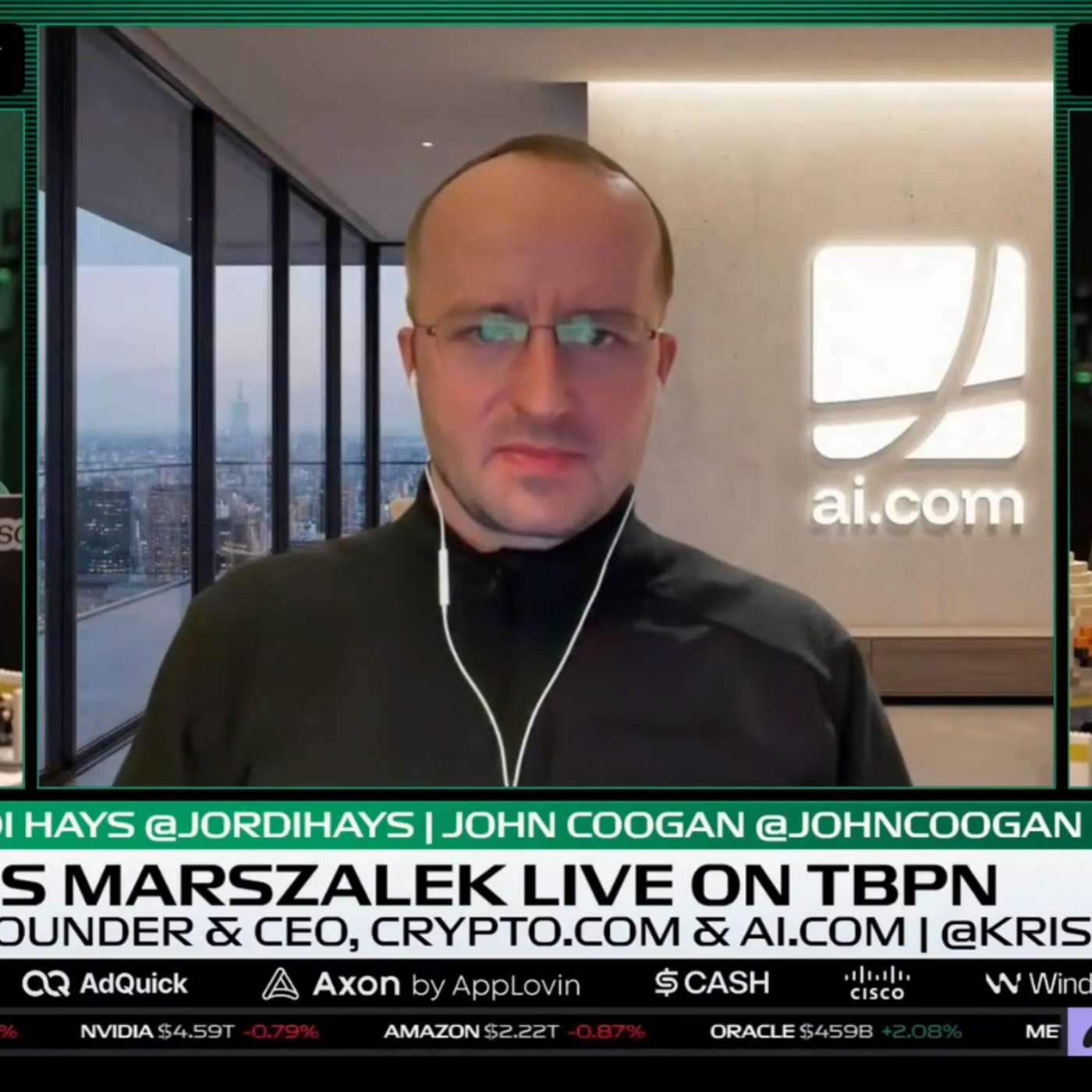
Immediately after acquiring AI.com for $70M, the founder received and rejected an offer exceeding $500M. This demonstrates extreme long-term conviction, prioritizing the potential of building a platform over a massive, quick profit.
Contrary to the dream of retiring after an exit, data shows 92% of founders start another project, even those with nine-figure exits. The drive to build is a core part of their identity that a large financial windfall does not eliminate.

Truly mission-driven founders prioritize their ultimate vision over immense, early financial gain. At 17, Demis Hassabis turned down a million-pound offer (worth ~$8M in today's money) to stay at a game company, choosing instead to study AI at Cambridge and remain broke.

Beyond financial incentives, personal ego and the desire to build an independent legacy can be powerful and valid motivators for spinning out to start a new venture firm, even when leaving a successful family operation.

Great founders possess a deep-seated, non-financial motivation—like revenge against former rivals or redemption from a past failure. This "Count of Monte Cristo" drive allows them to persevere through extreme hardship and turn down lucrative but premature exits, a key trait VCs look for.

During an acqui-hire negotiation with Coinbase, the founders turned down a life-changing offer because it required leaving half their team behind. This ethical stand prioritized their long-serving employees over a massive personal financial windfall.

A professor's advice—that the greatest risk is 'working for the man'—deeply influenced Jeff Braverman. Seeing unhappy, high-earning partners at Blackstone solidified this belief. It gave him conviction to leave a lucrative finance career for his family's struggling business, reframing the entrepreneurial leap not as a risk, but as risk avoidance.
The most resilient founders are motivated by something beyond wealth, like proving doubters wrong (revenge) or recovering from a past failure (redemption). This drive ensures they persevere through tough times or when facing a massive buyout offer that a purely financially motivated person would accept.

Driven by a "regret minimization" framework, the founder took the extreme step of quitting his job and moving from Australia to the Bay Area with only the goal of starting a company, not a specific plan. The idea for Ethic emerged later through networking and intellectual curiosity, proving conviction can precede the idea.
