Get your free personalized podcast brief
We scan new podcasts and send you the top 5 insights daily.
Koah's CPO suggests replacing the term "ads" with "sponsored commercial experiences." This reframes monetization from intrusive banners to interactive, value-adding engagements, making it more palatable for developers and advertisers in the new AI paradigm.

Related Insights
OpenAI is rapidly shifting from high-priced, impression-based ads to conversion-oriented campaigns that bill based on user actions. This pivot is a direct response to advertiser pressure for measurable results, showing even a hyped platform like ChatGPT must prove its value with performance metrics to compete with Google and Meta.

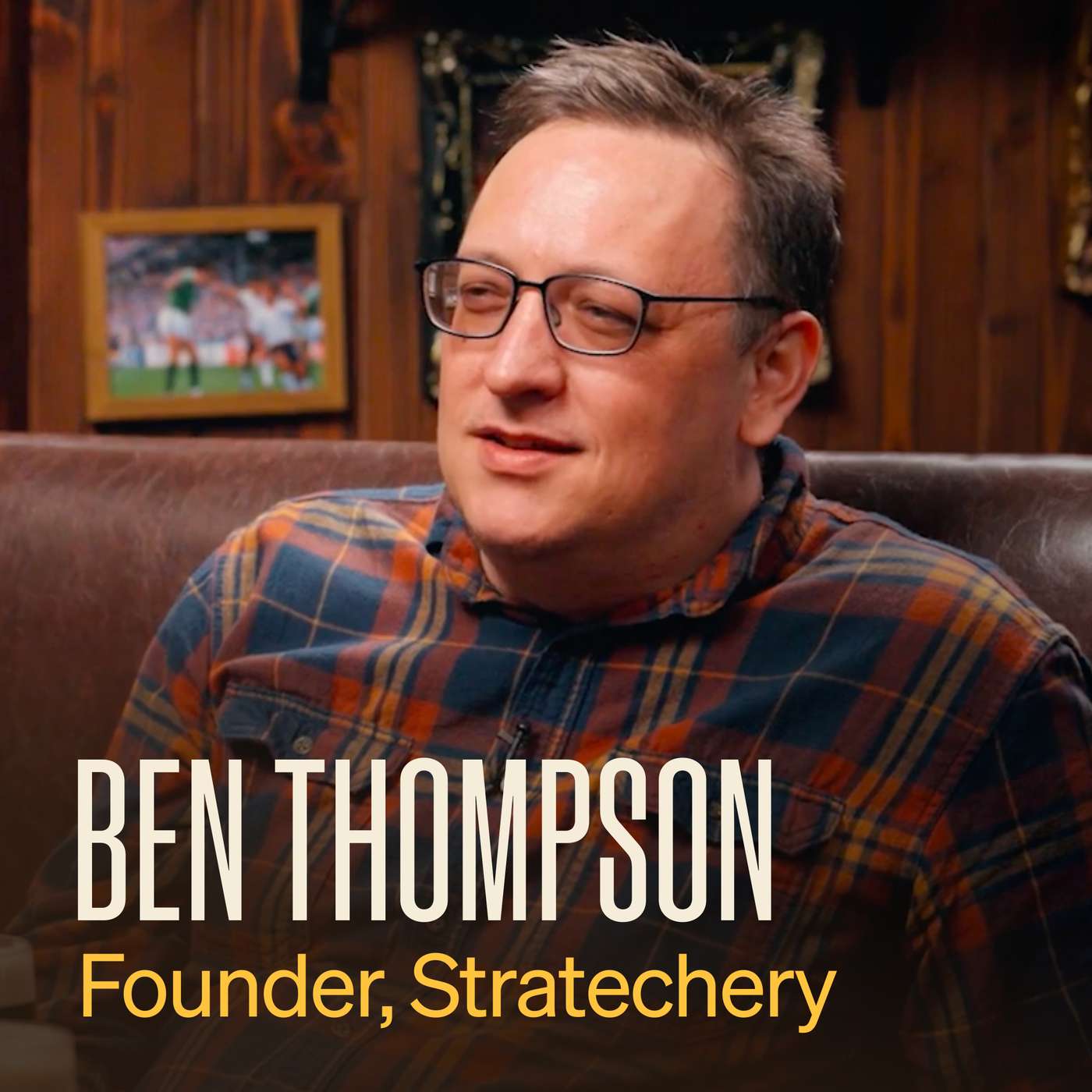
Ben Thompson argues AI apps should adopt a Meta-style advertising model based on deep user understanding, rather than Google-style contextual ads tied to prompts. This avoids conflicts of interest and surfaces products users didn't know they needed, creating more value for both users and advertisers.
Advertising within LLMs like ChatGPT can be a win-win. For discovery queries (e.g., "what's the best tool for X?"), a relevant ad acts as an additional, valuable suggestion rather than an interruption. This improves the user's discovery process while creating a high-intent channel for advertisers.
Early AI ads, like OpenAI's first, positioned AI as a monumental step in human history. The next wave is expected to be more pragmatic, focusing on specific, relatable use cases for the average consumer. This marketing evolution reflects the technology's maturation from a conceptual wonder to a practical tool for the mass market.

As AI assistants become more capable, the fundamental advertising dynamic may invert. Instead of being passively shown ads, users might actively instruct their agents to "go find me five options for shoes," effectively requesting advertising. The value exchange changes to one where users want curated commercial options.

A novel ad format would allow brands to sponsor access to premium features for free users. For example, McKinsey could underwrite deep research queries, or Nike could present a branded "training mode." This transforms advertising from an interruption into a value-additive, branded experience that enhances the core product.

Unlike competitors who would struggle to introduce ads into AI chat, Meta's user base is already accustomed to ads in their feeds. This gives Meta a unique advantage to monetize a proactive consumer AI agent that can surface sponsored suggestions for shopping or travel without creating user friction.

AI conversations capture high-intent moments, allowing ads to target active decision-making rather than passive attention-grabbing like social media. This fundamental difference could lead to significantly higher average revenue per user (ARPU), making social media's ad performance a floor, not a ceiling for AI platforms.
Instead of traditional cost-per-click models, ChatGPT could pioneer a "verified outcome" system where advertisers pay only upon a completed transaction and user satisfaction. This would inherently favor advertisers with superior products that lead to actual conversions, improving ad quality and relevance for all users.
The goal for advertising in AI shouldn't just be to avoid disruption. The aim is to create ads so valuable and helpful that users would prefer the experience *with* the ads. This shifts the focus from simple relevance to actively enhancing the user's task or solving their immediate problem.
