Get your free personalized podcast brief
We scan new podcasts and send you the top 5 insights daily.
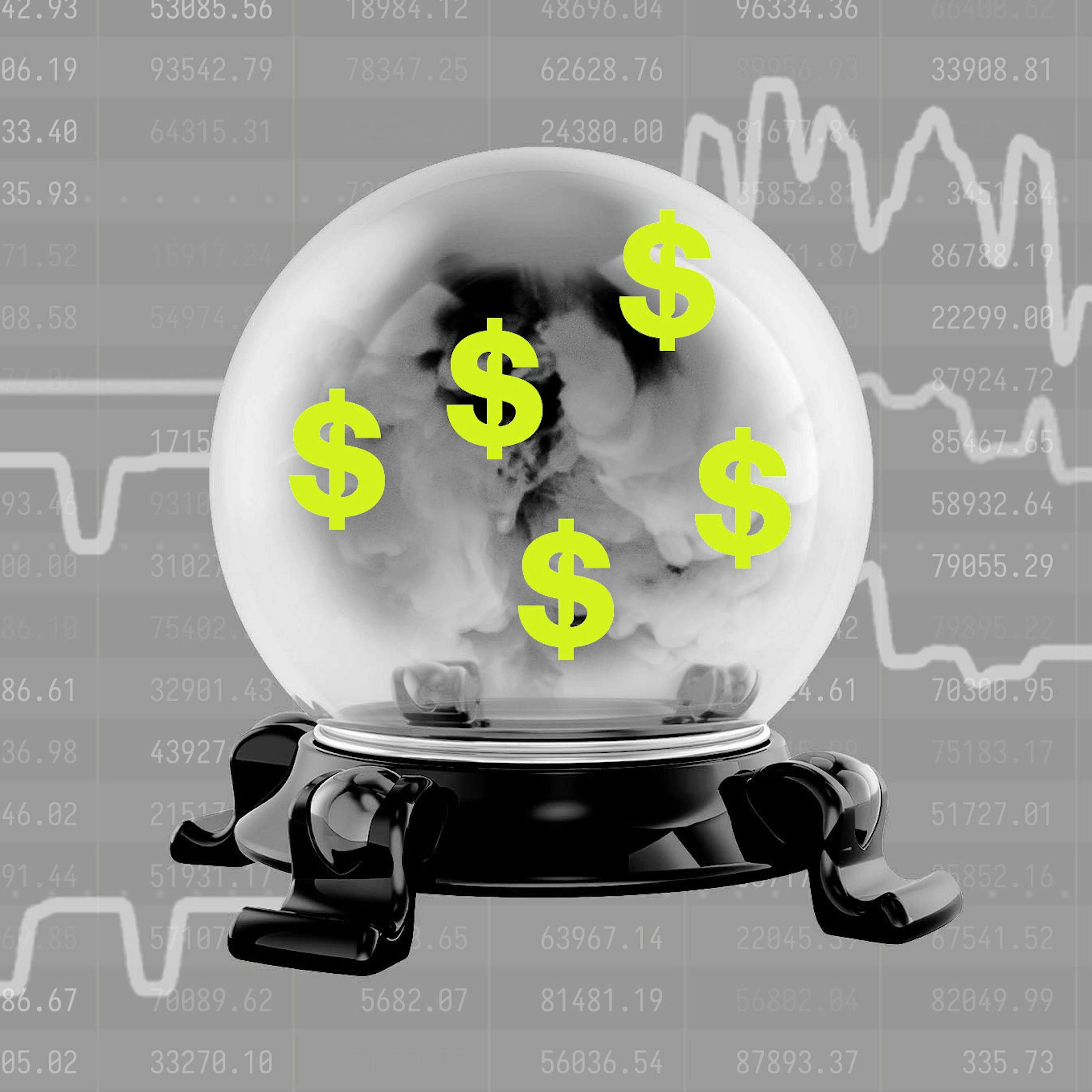
The emergence of live-streamed, gamified trading competitions reflects a cultural shift where money is a primary value. This "50 Cent Economy" ("Get Rich or Die Tryin'") normalizes high-risk, speculative financial behavior as both a path to wealth and a form of mass entertainment.

Related Insights
The popularity of prediction markets, meme stocks, and crypto is driven by a powerful cultural narrative among young people. They believe traditional wealth-building is unattainable and that making highly asymmetric bets ('put the money on black') is the only viable strategy to get ahead.

The surge in sports betting and crypto trading is not just irrational gambling. It's a calculated response from a generation facing stagnant wages and unaffordable housing. With traditional paths to wealth seemingly closed, high-risk "casinos" feel like the only viable option for upward mobility.

High-frequency trading (HFT) firms use proprietary exchange data feeds to legally front-run retail and institutional orders. This systemic disadvantage erodes investor confidence, pushing them toward high-risk YOLO call options and sports betting to seek returns.
Prediction markets are accelerating their normalization by integrating directly into established ecosystems. Partnerships with Google, Robinhood, and the NYSE's owner embed gambling-like activities into everyday financial and informational tools, lowering barriers to entry and lending them legitimacy.

When people feel they can't get ahead through traditional means like saving, they turn to high-risk behaviors. Markets are increasingly treated as casinos by a population that sees 'hyper-gambling'—on everything from meme stocks to crypto—as their only viable path to financial escape.

The consumer obsession with "protein maxing" mirrored a broader economic trend of maximalism. This approach, which began with aggressive trade policies, permeated business and consumer behavior, ultimately blurring the lines between investing, betting, and predicting into a single "casino economy."
The podcast hosts observe a dystopian trend where technological and regulatory arbitrage allows any event, even a coin flip, to be turned into a tradable instrument. This blurs the distinction between capital allocation, speculation, and pure gambling, moving money away from productive uses.

Record numbers of young people investing is a misleading economic indicator. Low average account balances (under $250 on Robinhood) and heavy allocation to volatile assets like crypto signal financial desperation for a lottery-ticket win, not savvy wealth-building.

The traditional path to wealth (work hard, save) is mathematically broken for many young people due to stagnant wages and soaring costs. Speculative investments like crypto and prediction markets represent a "lottery ticket" approach—a rational, if risky, attempt to gain agency in a system perceived as rigged.

Young people, facing inflation and limited opportunities, believe conventional wealth-building is impossible. This "financial nihilism" drives them to high-risk ventures like crypto and prediction markets, viewing them as the only viable lottery ticket for achieving financial security.