Get your free personalized podcast brief
We scan new podcasts and send you the top 5 insights daily.
As individual engineers become hyper-productive with AI tools, the need for management layers to orchestrate work diminishes. Stripe is responding by flattening its organization and empowering smaller, more autonomous teams with founder-like agency.

Related Insights
AI tools are blurring the lines between roles like product management, UX design, and development. A single skilled individual can now leverage AI to handle tasks that previously required a three-person team, dramatically increasing individual productivity and changing organizational structures.

Coinbase is eliminating pure people-manager roles, citing AI-driven productivity gains. Leaders are now expected to manage 15 or more direct reports—up from a previous cap of six—while also functioning as individual contributors, signaling a major shift in corporate structure.

The most significant and immediate productivity leap from AI is happening in software development, with some teams reporting 10-20x faster progress. This isn't just an efficiency boost; it's forcing a fundamental re-evaluation of the structure and roles within product, engineering, and design organizations.
To adapt to AI-driven productivity, Block abandoned large, static feature teams for small squads of 1-6 people that can flexibly move between products. This structure, combined with cutting management layers by over 50%, allows for faster information flow and rapid, AI-powered development cycles.
Instead of traditional IT departments, companies are forming small, cross-functional teams with a senior engineer, a subject matter expert, and a marketer. Empowered by AI, these agile groups can build new products in a week that previously took teams of 20 people six months, radically changing organizational structure.
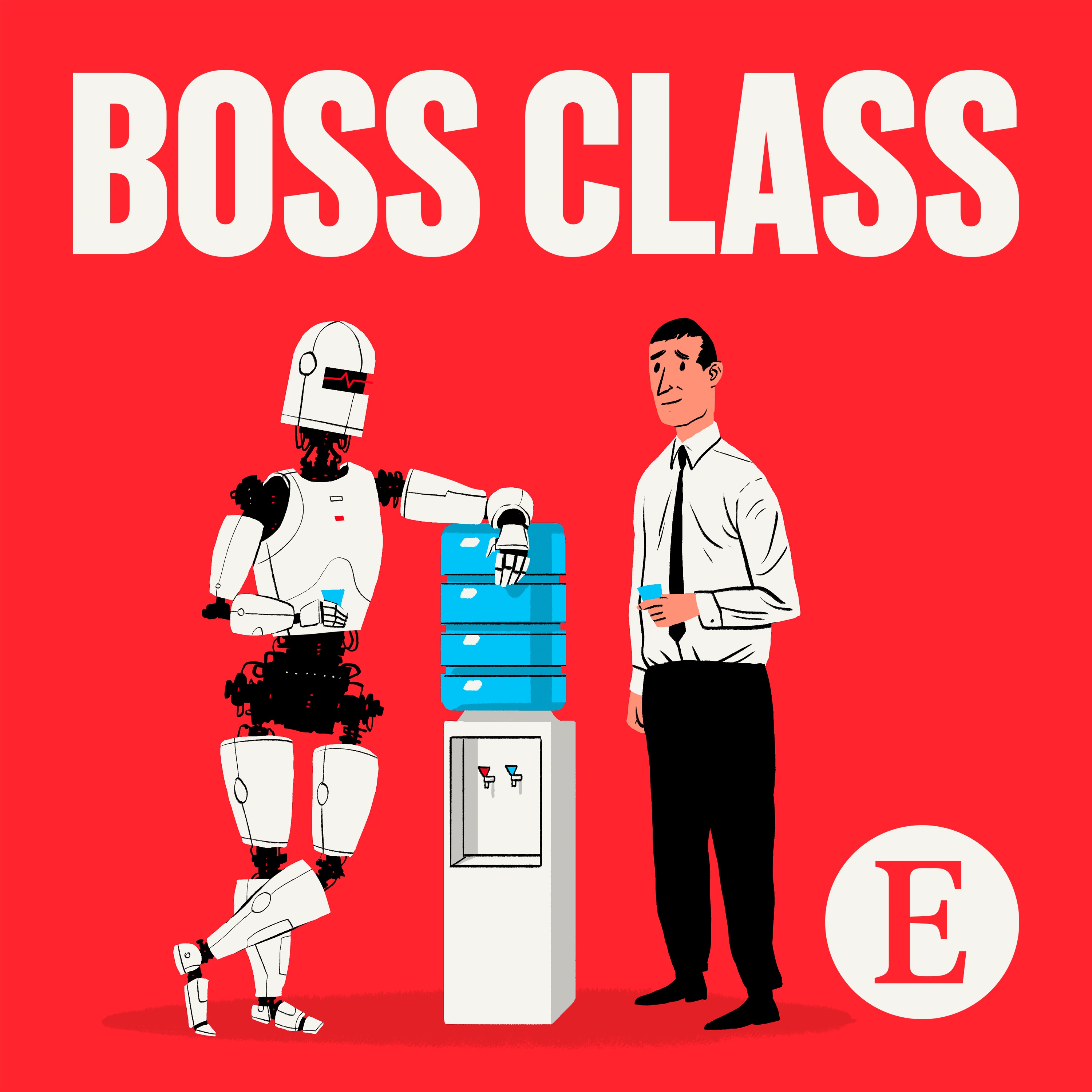
AI tools boost individual productivity so much that dedicated middle managers become obsolete. The new organizational structure demands that all leaders are also "doers" who spend most of their time on individual contributions, flattening hierarchies and making everyone a contributor.

The exponential increase in individual output from AI tools negates the need for traditional, multi-layered management structures. Cash App flattened its design org to just three layers from the CEO, enabling faster decision-making and adaptation to rapid technological change.

AI tools render large, siloed engineering teams obsolete. The new model is small, multi-functional "pods" of 2-3 people. This makes experienced architects, who provide high-level direction, more critical than ever and requires a management style focused on orchestrating autonomous units rather than specific skill sets.

True AI adoption isn't about tools; it's a fundamental shift in organizational design. Traditional companies operate like Roman legions with layers of management. AI-native businesses are flat, allowing a single leader to manage thousands of AI-augmented workers directly, eliminating middle management and radically increasing efficiency.

AI tools serve as an "antidote to the managerial revolution" by empowering individual contributors to build and deploy solutions directly. This bypasses bureaucratic layers of middle management, accelerates innovation, and shifts the power balance within organizations back to frontline workers.
