Get your free personalized podcast brief
We scan new podcasts and send you the top 5 insights daily.
The current backlash against prediction markets is not new. Robin Hanson notes that nearly all established financial instruments were once considered immoral or illegal forms of gambling or usury before their economic utility led to carved-out legal exceptions over time.

Related Insights
New platforms frame betting on future events as sophisticated 'trading,' akin to stock markets. This rebranding as 'prediction markets' helps them bypass traditional gambling regulations and attract users who might otherwise shun betting, positioning it as an intellectual or financial activity rather than a game of chance.

While platforms claim their peer-to-peer contract model differs from a casino's "betting against the house," the core function remains the same: wagering money on the outcome of a future event. This structural difference is presented as a legal and semantic argument rather than a functional one.
Financial personality Vivian Tu warns against platforms marketing "prediction markets" as an investment class. She clarifies they are simply a modern form of gambling on outcomes, akin to sports betting, and will likely deplete wealth rather than build it.
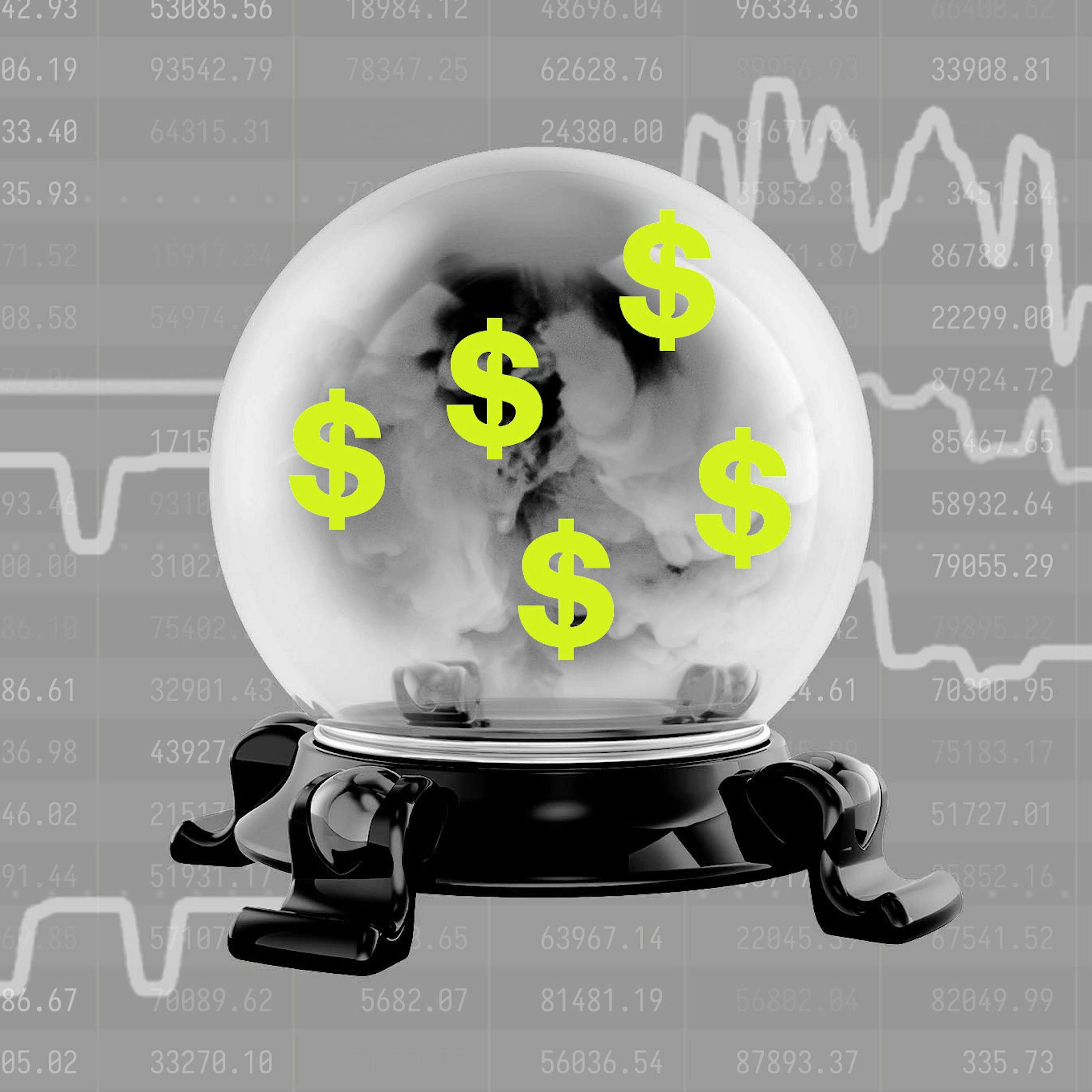
Speculation is often maligned as mere gambling, but it is a critical component for price discovery, liquidity, and risk transfer in any healthy financial market. Without speculators, markets would be inefficient. Prediction markets are an explicit tool to harness this power for accurate forecasting.

Prediction markets are cannibalizing the traditional gaming industry by framing gambling as an intellectual activity. This creates a more compelling 'product' that is already impacting gaming stocks and tourism, while introducing severe societal harms like addiction and new forms of insider trading.

Platforms for "trading" on world events are fundamentally gambling, not investing. True investing involves owning an underlying asset. Betting on outcomes like a football coach's hiring has no underlying asset, making it equivalent to a casino bet, often fueled by economic desperation.

Prediction markets have existed for decades. Their recent popularity surge isn't due to a technological breakthrough but to success in legalizing them. The primary obstacle was always legal prohibition, not a lack of product-market fit or superior technology.

Prediction markets are accelerating their normalization by integrating directly into established ecosystems. Partnerships with Google, Robinhood, and the NYSE's owner embed gambling-like activities into everyday financial and informational tools, lowering barriers to entry and lending them legitimacy.
Kalshi's lawsuit clarified the distinction between a financial market and gambling. It hinges on two points: 1) having an open, peer-to-peer market structure instead of a "house" that profits from customer losses, and 2) trading on naturally occurring events (like elections or weather) rather than artificially created risks (like a dice roll).

Legally, a prediction market is not gambling because it operates like an exchange where users trade contracts with each other via a clearinghouse. This differs structurally from gambling, where a user bets against "the house," which sets the odds and offers no secondary market liquidity to offset positions.