Get your free personalized podcast brief
We scan new podcasts and send you the top 5 insights daily.
By starting SpaceX when the only alternative for rocket engineers was NASA, Elon Musk created a monopoly on exciting, fast-paced space exploration work. Being the 'only game in town' for a specific passion allows a company to recruit the best talent and push them harder.

Related Insights
Elon Musk's ventures face vastly different competitive landscapes. While Tesla fights in the 'brutally competitive' auto industry, SpaceX enjoys a near-monopoly in space, allowing it to pursue large adjacent opportunities like orbital data centers with far less resistance.

In an era of grand narratives like SpaceX, it's increasingly difficult for moderately successful, less inspiring companies to recruit top talent. The talent market is polarizing, with engineers flocking to world-changing missions, leaving the 'boring middle' behind.
To lure senior talent from giants like SpaceX, Base Power pitched more than equity. It offered a chance to work on humanity's hardest problems (energy), promising a continuous stream of complex challenges that top performers crave, alongside massive economic upside.

Unlike typical corporate missions focused on shareholder value, SpaceX's goal is to prevent human extinction by colonizing other planets. This grand, inspiring vision allows them to attract top talent and demand extraordinary effort, turning employees from workers into participants in a historic quest.

SpaceX's regular tender offers provide employees with life-changing liquidity, creating a powerful incentive that rival Blue Origin lacks. This 'unfair advantage' in compensation structure is crucial in the long-term war for elite aerospace talent, going beyond just salary.

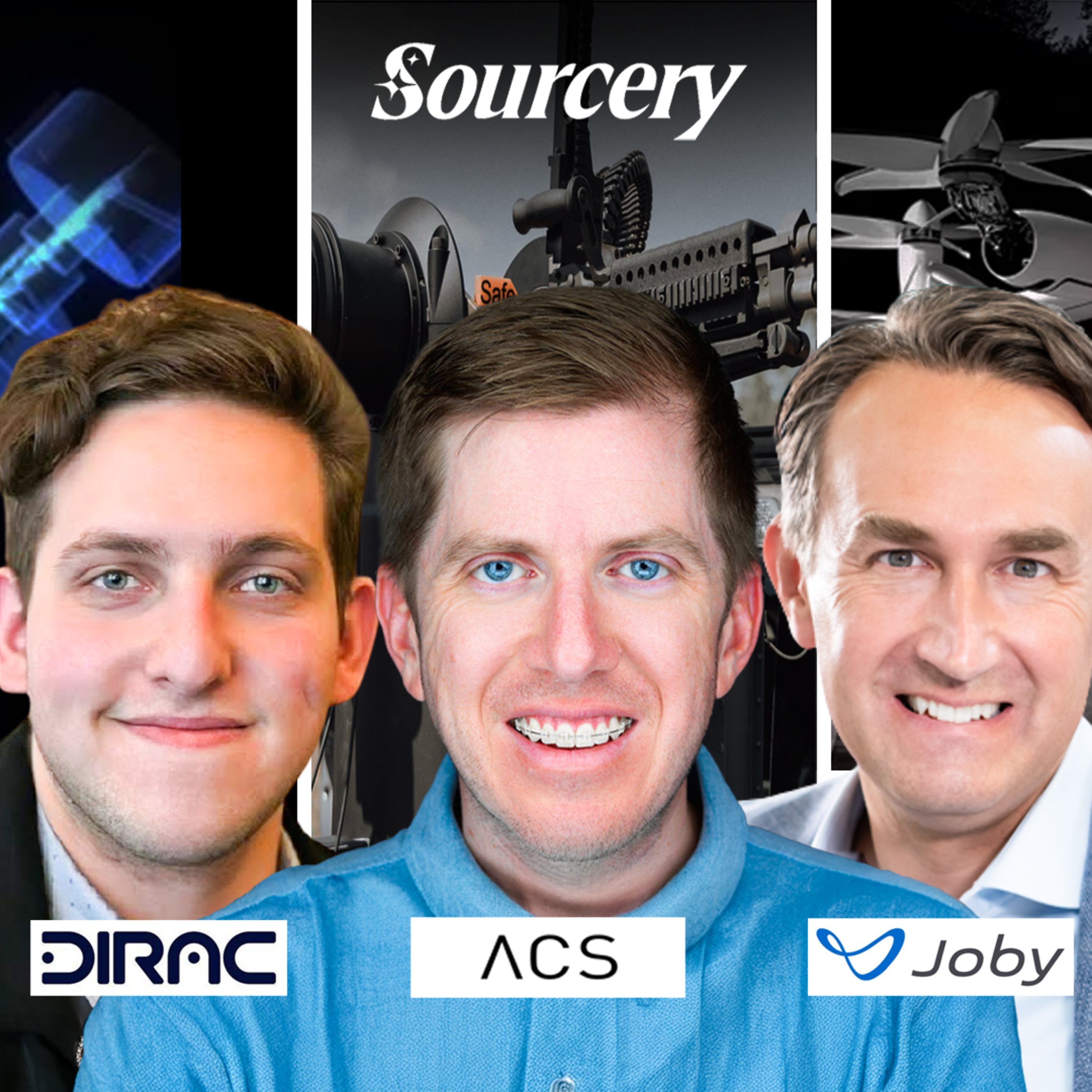
When asked how he recruits talent for a challenging hardware business, the founder of Allen Control Systems stated it's easy because 'We're making the greatest weapon system in American history.' This demonstrates that for deep tech and defense startups, a powerful and ambitious mission can be more effective than conventional recruiting strategies.
The defensible case for SpaceX's massive valuation is less about Elon Musk's futuristic vision and more about its tangible competitive moat. The company has a functional monopoly on launch capabilities and a decade-long head start on its satellite internet business, controlling essential infrastructure for the future space economy.

Cowboy Space is challenging SpaceX's dominance not just with new technology, but by recruiting key engineers from SpaceX and Blue Origin. This talent acquisition strategy is a critical hack for startups to close the expertise gap with a well-resourced incumbent.

Musk's success stems from his unique ability to attract hyper-intelligent, maniacally driven individuals. These people are drawn to his high-stakes, high-pressure environment, choosing to "burn out under Musk" rather than be bored elsewhere, creating an unparalleled human capital advantage.

Beyond its technical lead, SpaceX holds a key recruiting advantage over rivals like Blue Origin by offering regular tender offers. This provides employees with consistent, tangible liquidity for their stock options, making compensation feel more valuable and attracting top talent.
