Get your free personalized podcast brief
We scan new podcasts and send you the top 5 insights daily.
Despite focus on HPV vaccination in younger populations, a significant portion (20%) of cervical cancer diagnoses occur in women over 65. This highlights the need for continued vigilance and awareness in older age groups who may mistakenly believe they are no longer at risk.

Related Insights
Many childhood cancer survivors do not receive lifelong specialized follow-up, yet they face significantly increased health risks decades later. The solution is not to keep all patients in specialist clinics, but to build stronger relationships with primary care providers by equipping them with treatment summaries, screening guidelines, and open lines of communication.

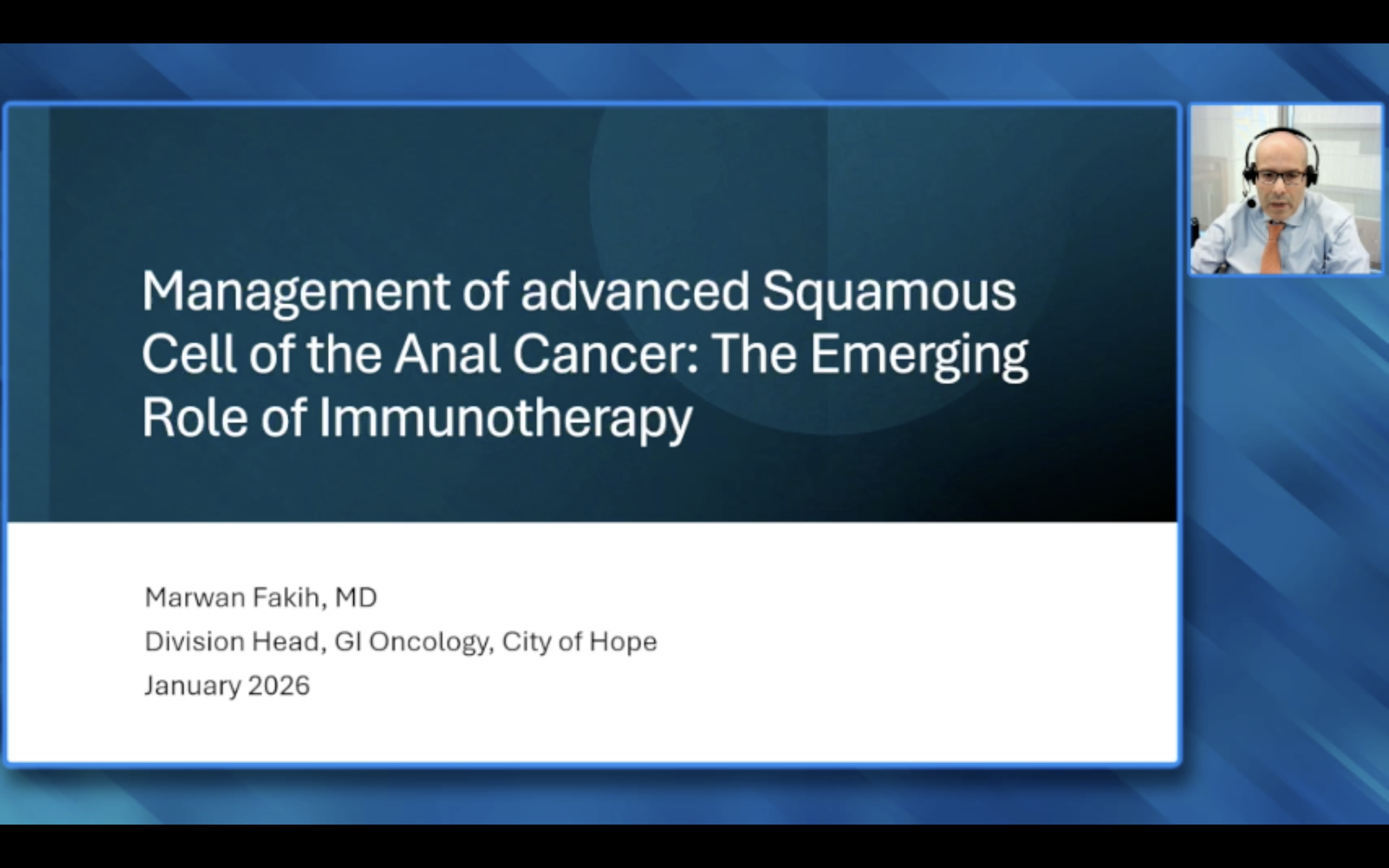
The benefits of HPV vaccination on reducing anal cancer incidence will not be fully realized for over three decades. Because the disease typically affects people in their sixties and seventies, the impact of vaccinating teenagers today will only become apparent when that cohort reaches the peak age of diagnosis, delaying observable population-level effects.
When examining chronic health conditions, older childhood cancer survivors show a striking pattern of accelerated aging. They present with the same rates of multiple co-existing chronic conditions as their siblings who are two decades older. This quantifies the profound and lasting physiological impact of their early-life cancer treatments, leading to premature frailty.
Cervical cancer is one of the few malignancies where clinical staging via physical examination remains paramount. Advanced imaging like MRI or PET scans can sometimes overestimate the extent of the disease, making a hands-on clinical exam essential for accurate staging and treatment planning.
In survivors over 50, an increased risk of secondary cancers is specifically associated with prior radiation treatment received 30+ years ago. The study found no similar association with chemotherapy exposures, highlighting the exceptionally long-term and distinct risks of radiation. This underscores the importance of modern efforts to reduce or eliminate its use.
Chronic illnesses like cancer, heart disease, and Alzheimer's typically develop over two decades before symptoms appear. This long "runway" is a massive, underutilized opportunity to identify high-risk individuals and intervene, yet medicine typically focuses on treatment only after a disease is established.

The episode highlights the shocking scale of lung cancer's impact, stating it causes more deaths each year than several other major cancers combined. This stark comparison underscores the critical need for better and more accessible screening technologies, as current methods like CT scans are highly underutilized.

Based on 'Choosing Wisely' guidelines, surgeons can skip sentinel lymph node biopsy in women over 70 with small, hormone receptor-positive, HER2-negative breast cancer. This de-escalates treatment by avoiding an unnecessary procedure with a very low likelihood of finding cancer spread, minimizing potential complications for patients.
Reporting that hormone therapy caused a "25% increase" in cancer was terrifying relative risk (5 cases vs 4). The absolute risk, however, was a minuscule change (from 4 in 1,000 to 5 in 1,000). Understanding this difference is crucial for making informed health decisions.

Despite the HPV vaccine's effectiveness against related cancers, population-level incidence of anal cancer is projected to keep increasing. This is likely due to the lag time for vaccination's population-level impact and disparities in vaccine uptake across different socioeconomic and ethnic groups.