Get your free personalized podcast brief
We scan new podcasts and send you the top 5 insights daily.
Marco Argenti states that AI has moved beyond experimentation to become a core tool for everyday work and mission-critical applications. Companies are now expected to demonstrate concrete workflows and ROI, as the technology is delivering real, measurable results.

Related Insights
Instead of focusing on headcount reduction, Goldman's CIO measures the success of developer AI tools by their ability to consistently help projects finish ahead of schedule. This provides a tangible metric for increased output and organizational capacity.
The initial enterprise AI wave of scattered, small-scale proofs-of-concept is over. Companies are now consolidating efforts around a few high-conviction use cases and deploying them at massive scale across tens of thousands of employees, moving from exploration to production.
The Goldman Sachs CEO differentiates between two types of AI adoption. Giving employees AI tools to make them more productive is relatively easy. The much harder, yet more impactful, challenge is fundamentally re-engineering long-standing, complex processes like customer onboarding from the ground up.

The massive $700B capital injection into AI demands a return. The next few years will shift focus from hype to demonstrable results. Companies that can't show a quick, real, and efficient ROI will face a reckoning, even if they have grand aspirations.

Unlike past IT projects delegated to a CIO, AI initiatives are now a top priority discussed by CEOs on earnings calls. This high-level visibility, coupled with executives admitting they aren't seeing results, creates intense internal pressure to prove the financial return on AI spending.

AI companies are pivoting from simply building more powerful models to creating downstream applications. This shift is driven by the fact that enterprises, despite investing heavily in AI promises, have largely failed to see financial returns. The focus is now on customized, problem-first solutions to deliver tangible value.

The current era of broad enterprise AI experimentation will end. The CEO foresees 2026 as a "year of rationalization," where CFO pressure will force companies to consolidate AI tools and cut vendors that fail to demonstrate tangible productivity gains and clear return on investment.

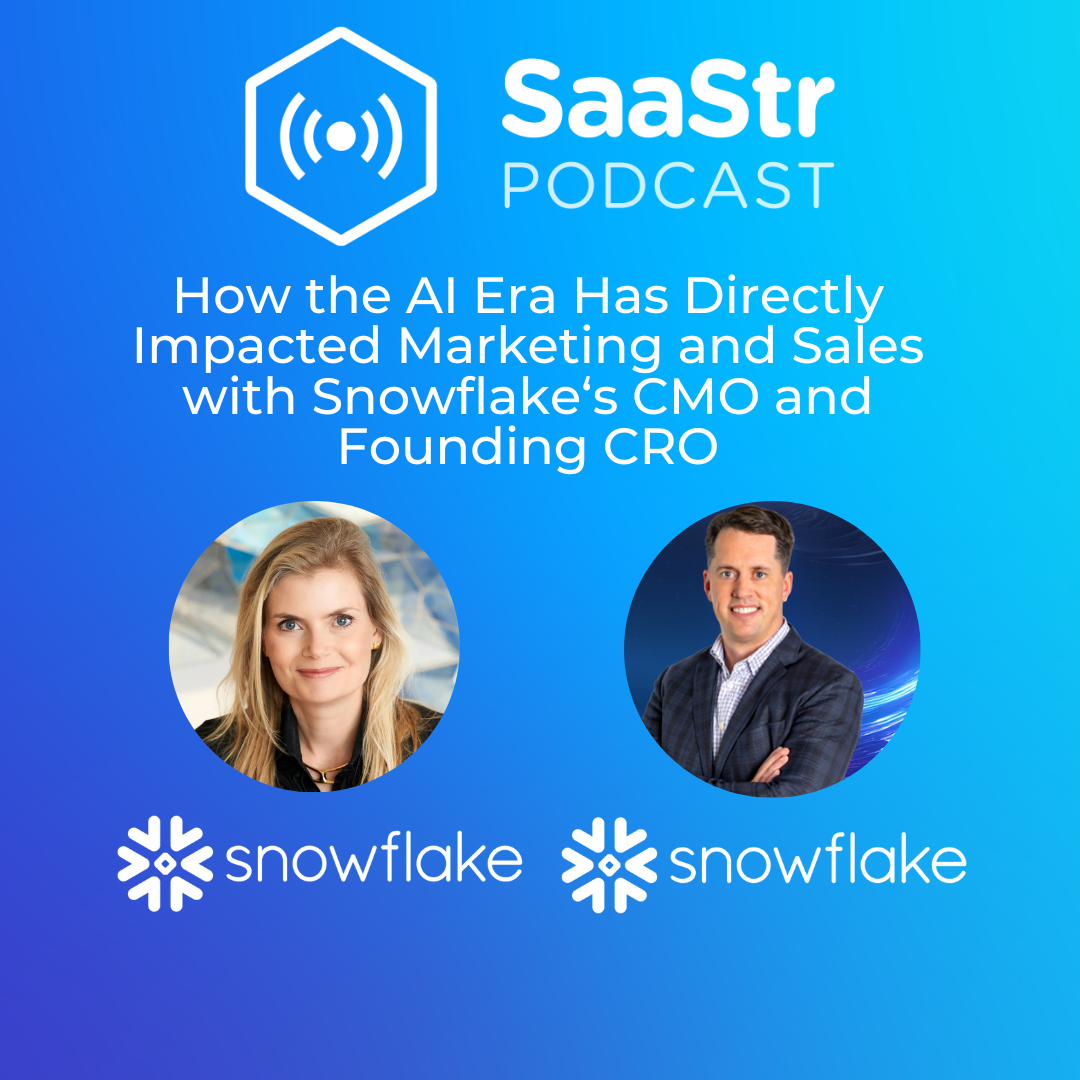
Snowflake's former CRO offers a pragmatic view of AI, calling it a 'task automator.' He stresses that for enterprise adoption, AI tools can't just be 'cool.' They must deliver a clear return on investment by either generating revenue or creating significant cost savings, like the 418 hours per week saved by their support team.
The trend is shifting from simply adopting AI to proving its ROI with specific metrics. As industry leaders publicly share their AI-driven gains, it creates a competitive necessity for all other companies to follow suit and quantify their own benefits, making it 'table stakes' for all.

A clear market shift has occurred: enterprise clients are no longer interested in AI pilots. They now demand outcome-based contracts where AI is a core pillar tied to measurable productivity gains. The conversation has moved from "Can AI help?" to "How fast can we scale it?"
