Get your free personalized podcast brief
We scan new podcasts and send you the top 5 insights daily.
Before Banza, Brian Rudolph explored generic startup ideas. A mentor's question—"If you were to work on this for 10 years, would you still be excited?"—made him pivot to food, a category he genuinely cared about long-term, ensuring founder-market fit.

Related Insights
Beyond market signals, a key internal indicator for a pivot is waning passion. When the Beluga Labs founders found themselves struggling to get excited about their initial idea just two months in, they recognized it was unsustainable for a 5-10 year journey and pivoted to something they had long-term conviction for.

Don't start a company in a space you're indifferent to and ignorant of. Your founding idea must be anchored in either deep domain expertise ("what you know") or a genuine, intense passion for the problem ("what you care about"). Lacking both is playing on "extra hard mode."

If you're successful, you'll work on your company for a decade or more. Founder-market fit—a deep, personal connection to the problem you're solving—is essential to persevere through the inevitable chaos, even when external success is no longer a motivator.

Instead of optimizing for a quick win, founders should be "greedy" and select a problem so compelling they can envision working on it for 10-20 years. This long-term alignment is critical for avoiding the burnout and cynicism that comes from building a business you're not passionate about. The problem itself must be the primary source of motivation.

Before officially starting, founders are in a '-1 to 0' phase. Instead of rushing, they should take months or even a year to find a core purpose they can commit to for a decade. This deep conviction provides immense peace, prevents reactive pivots, and sets a stable foundation for the long term.
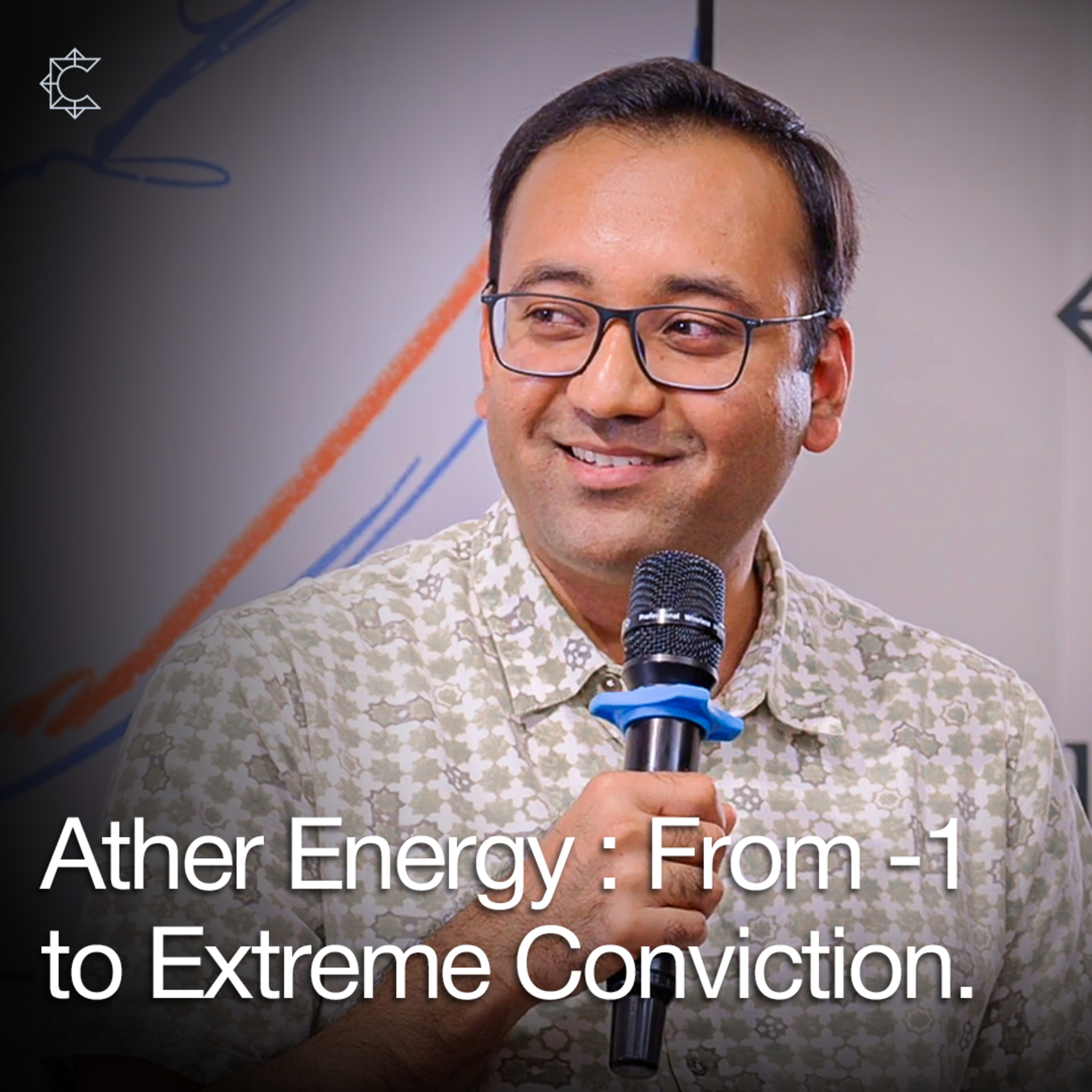
Contrary to the "always listen to the customer" mantra, a startup is deeply personal. Founders should build something that emotionally moves them. If you're obsessed enough to work on it every waking hour, you'll inevitably find customers who share that same obsession.
Tom Bilyeu’s core question for finding a sustainable venture isn't about success, but about passion during failure. This ensures motivation is intrinsic and rooted in the process itself, allowing one to endure the inevitable and frequent hardships of building something new.

To survive the startup grind, founders must be intrinsically motivated by the problem they are solving. Jeeves founder Dileep Thazhmon explored eight different ideas for a year, discarding those where he wasn't passionate about the core challenge, even if they were good business opportunities.

Founder-market fit isn't about resume alignment; it's about a relentless obsession. The litmus test: could you talk about your company's mission for an hour at Thanksgiving without getting tired? This deep passion is a prerequisite for building in public, recruiting top talent, and winning in a crowded market.

Before you have an idea, shadow professionals in different industries. The goal isn't product validation but finding a customer base you connect with. This ensures founder-market fit, a key to long-term motivation, as one founder did by choosing physical therapists over solar installers.
