Get your free personalized podcast brief
We scan new podcasts and send you the top 5 insights daily.
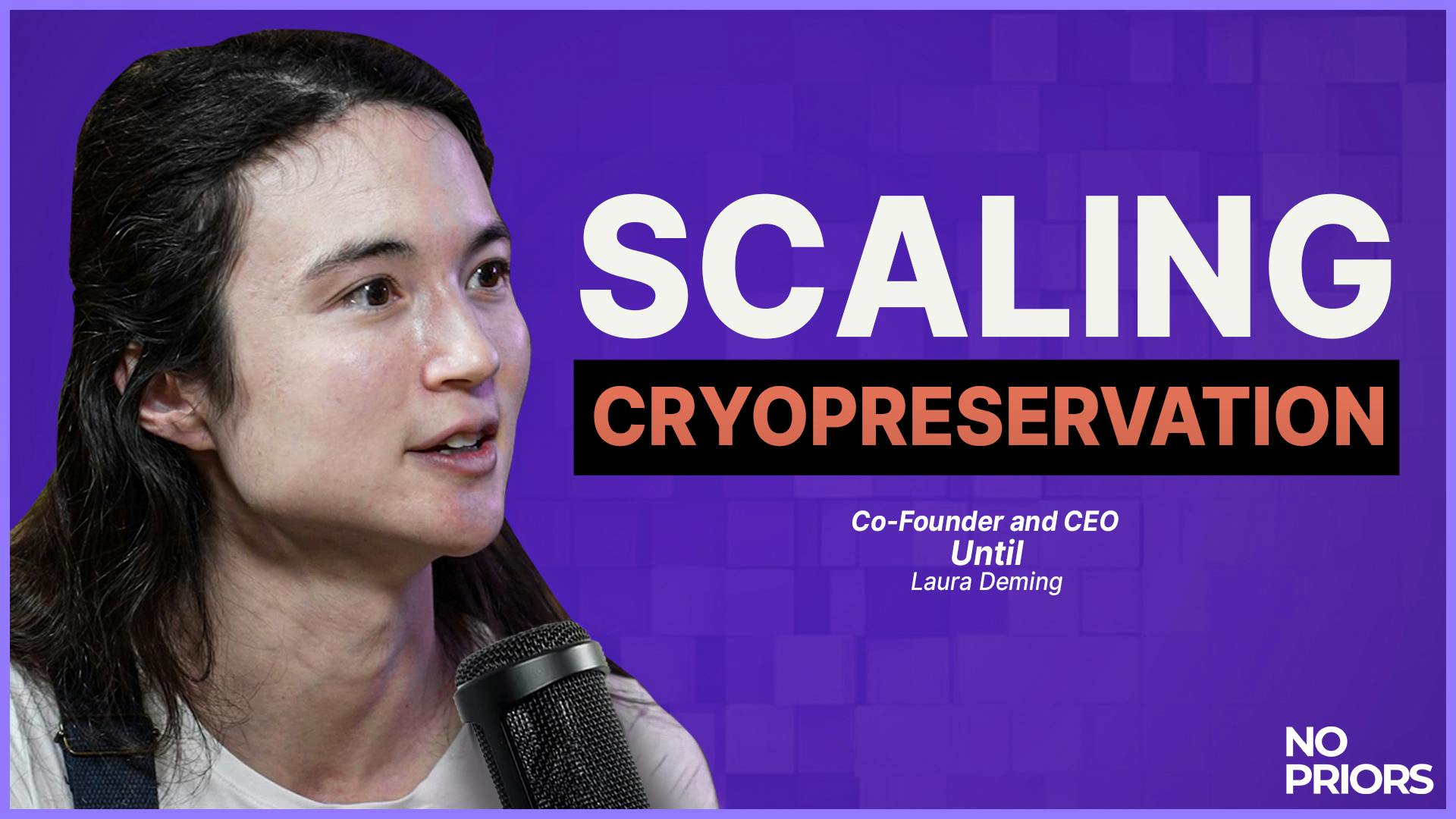
Instead of tackling whole-body cryopreservation directly, Until focuses on the tangible market of organ transplantation. This provides a clear product roadmap, addresses an immediate medical need, and serves as an essential technological proof point. Success here is a non-negotiable prerequisite for the more ambitious long-term mission.
Related Insights
The brief viability of organs creates a logistical nightmare. Surgeons fly on chartered jets to retrieve organs, while recipients must remain within a small radius of the hospital, unable to travel. Cryopreservation's immediate impact would be to remove time as a variable, allowing for scheduled surgeries and a more humane patient experience.
For early-stage MedTech startups, key milestones for investors are not just regulatory successes. They are fundamental proofs of concept—showing the device works in a model and demonstrating how it would function in a clinical setting. This builds an investor's vision of the product's future.
Companies with radical, long-term visions often fail by focusing exclusively on their ultimate goal without a practical, near-term product. Successful deep tech companies balance their moonshot ambition with short-term deliverables that provide immediate user value and sustain the business on its journey.

The problem is unique because engineering improvements, like faster temperature modulation, can lessen biological hurdles. For instance, more rapid cooling reduces the time spent in the 'danger zone' for ice crystal formation, thereby lowering the required concentration of potentially toxic cryoprotectant agents. This creates powerful leverage not common in biology.
The initial, highly valuable application for reversible organ cryopreservation is not futuristic hibernation but solving the urgent logistical crisis in organ transplantation. Extending an organ's viability from a few hours to days transforms an emergency process involving private jets into a schedulable, cost-effective operation.

A visionary founder must be willing to shelve their ultimate, long-term product vision if the market isn't ready. The pragmatic approach is to pivot to an immediate, tangible customer problem. This builds a foundational business and necessary ecosystem trust, paving the way to realize the grander vision in the future.
For deep tech startups aiming for commercialization, validating market pull isn't a downstream activity—it's a prerequisite. Spending years in a lab without first identifying a specific customer group and the critical goal they are blocked from achieving is an enormous, avoidable risk.

Reversible cryopreservation is already a reality for human embryos, which have remained viable after 30 years in storage. The central challenge for companies like Until is not a fundamental scientific breakthrough, but rather solving the complex engineering problems of applying this proven concept to larger biological systems like organs.
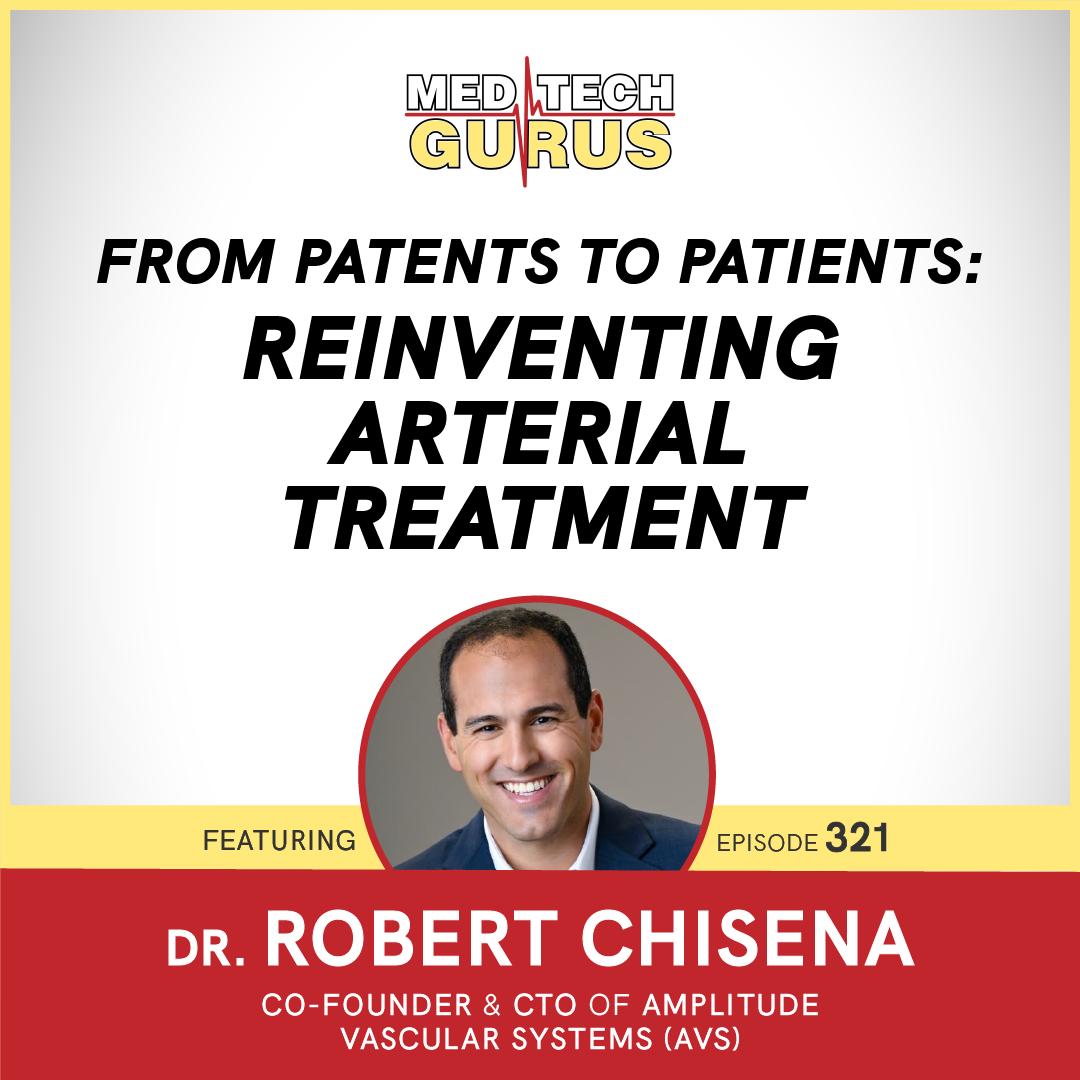
Frontline Medical chose to develop the Cobra OS not because it was their most revolutionary concept, but because it was manufacturable with limited resources. They prioritized the idea that 'checked all the boxes' for feasibility, market success, and patient impact, ensuring they could bring a product to market.

The core mission is to pause a patient's biological clock, giving them a chance to access treatments that might become available months or years later. This reframes a futuristic concept into a practical, urgent form of critical care for the terminally ill, bridging the gap to a future cure.