Get your free personalized podcast brief
We scan new podcasts and send you the top 5 insights daily.
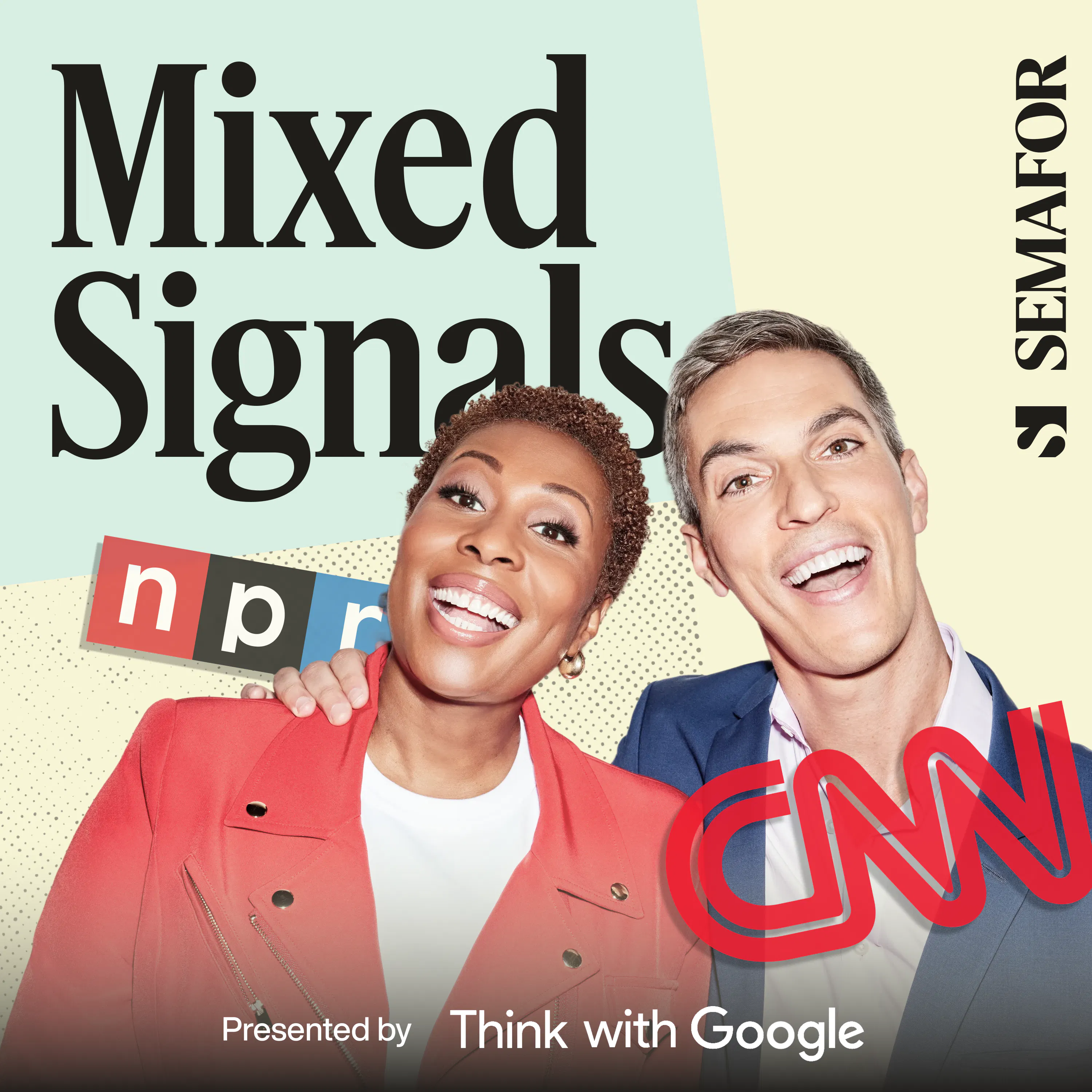
Roose bypassed higher-bidding podcast networks to partner with NPR specifically because terrestrial radio reaches millions of non-tech listeners in daily life. Breaking outside self-selected, paywalled digital bubbles is necessary to inform the broader public on AI's societal implications.

Related Insights
OpenAI bought tech talk show TBPN not for its distribution but to gain positive "media juju." The strategy is flawed as TBPN's audience is primarily tech insiders, while OpenAI's biggest communication challenge is winning over the general public, where the narrative battle will actually be fought.

When AI safety experts appear on generalist podcasts like Joe Rogan's, their core message about existential risk can get muddled. The topic may be grouped with fringe subjects like UFOs, making it seem abstract and less credible to a broader audience.

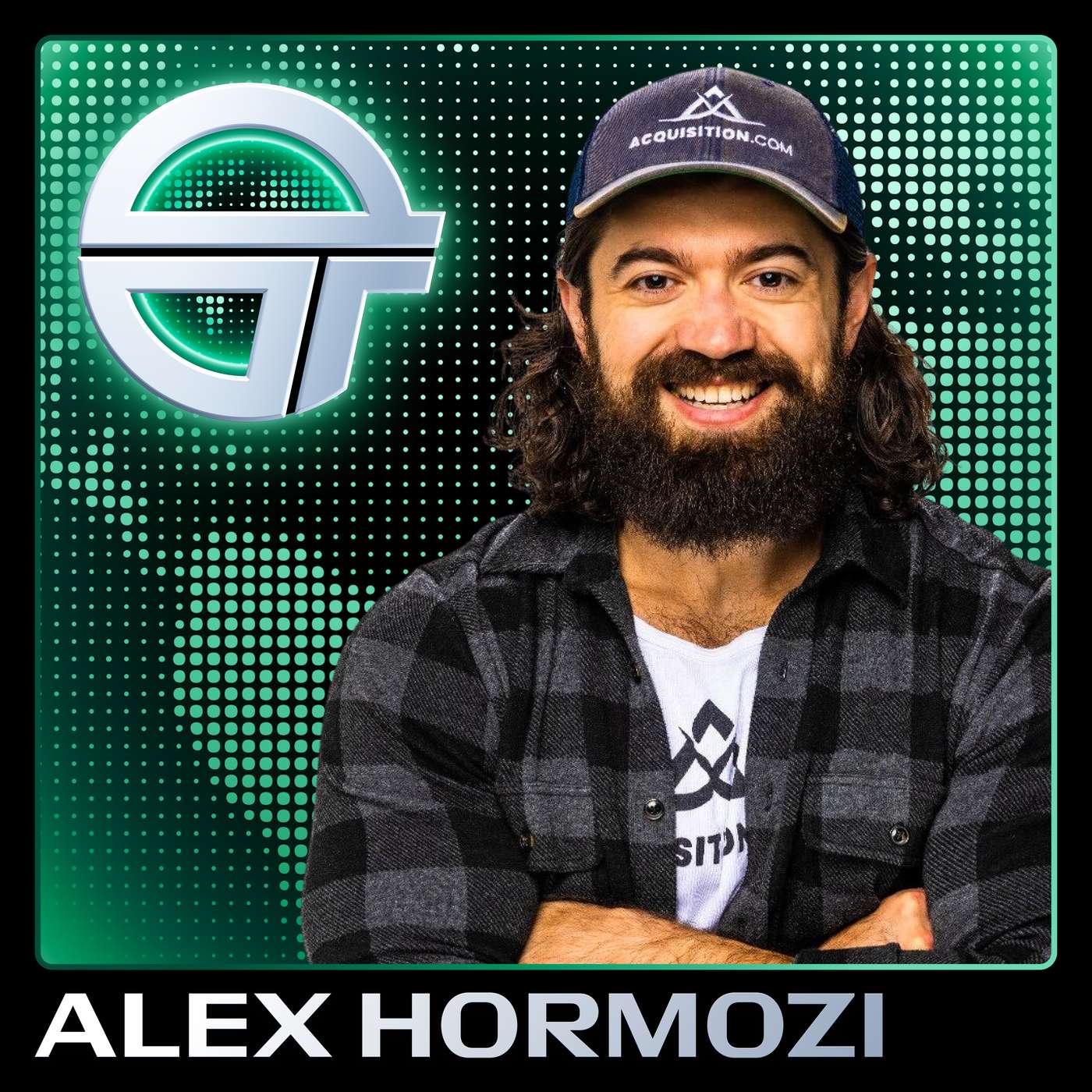
While many digital-native creators dismiss traditional media like radio and TV, Hormozi sees them as valuable, low-competition channels. He cites Dave Ramsey's success with 600 syndicated radio stations as proof that these "other bubbles" offer differentiated access to audiences that are unreachable online.

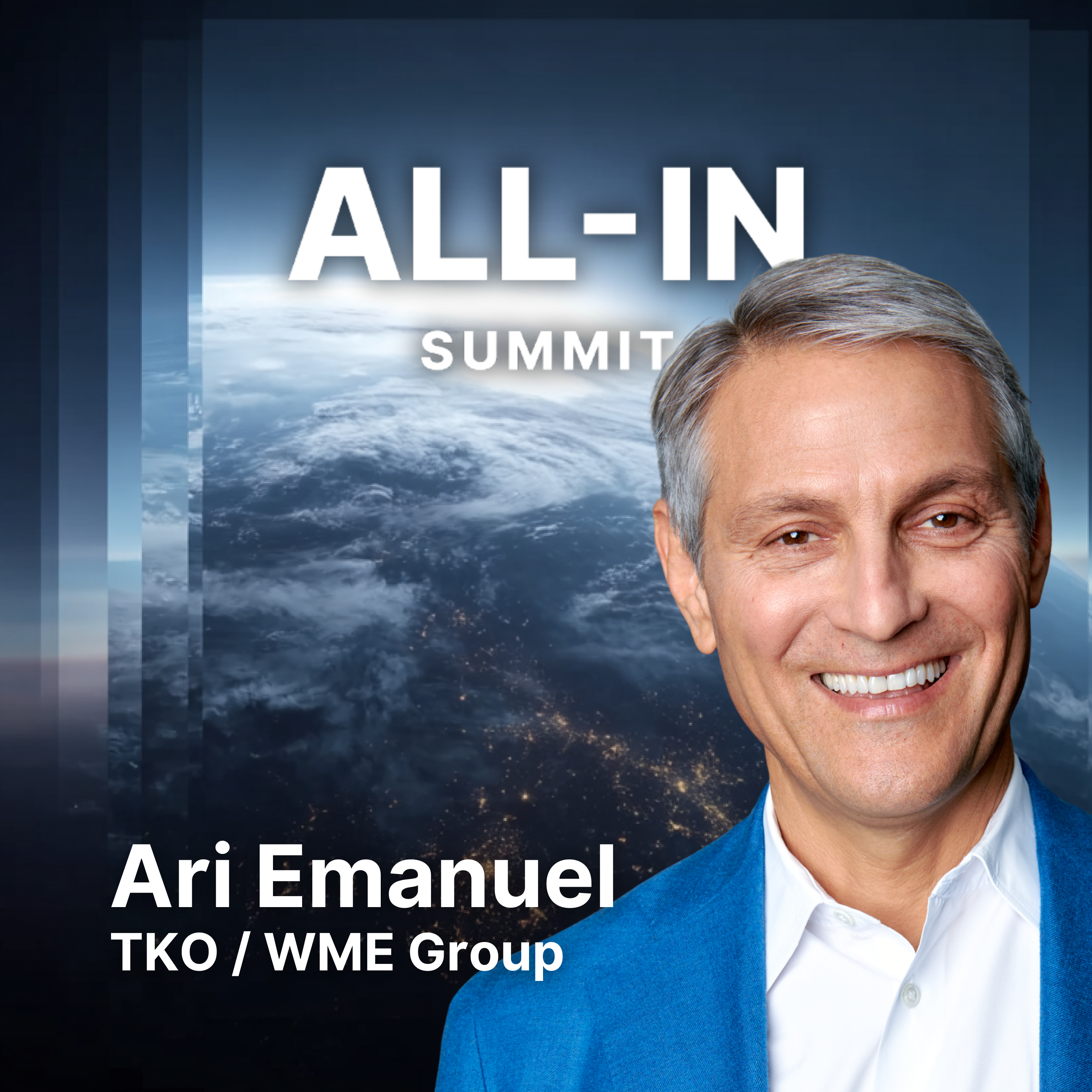
Ari Emanuel views the podcasting ecosystem as the next wave of syndication. Just as Oprah used her broadcast platform to launch other stars like Dr. Phil, today's top podcasters can build media networks by developing and launching new talent. This transforms a single successful show into a scalable, multi-channel business.
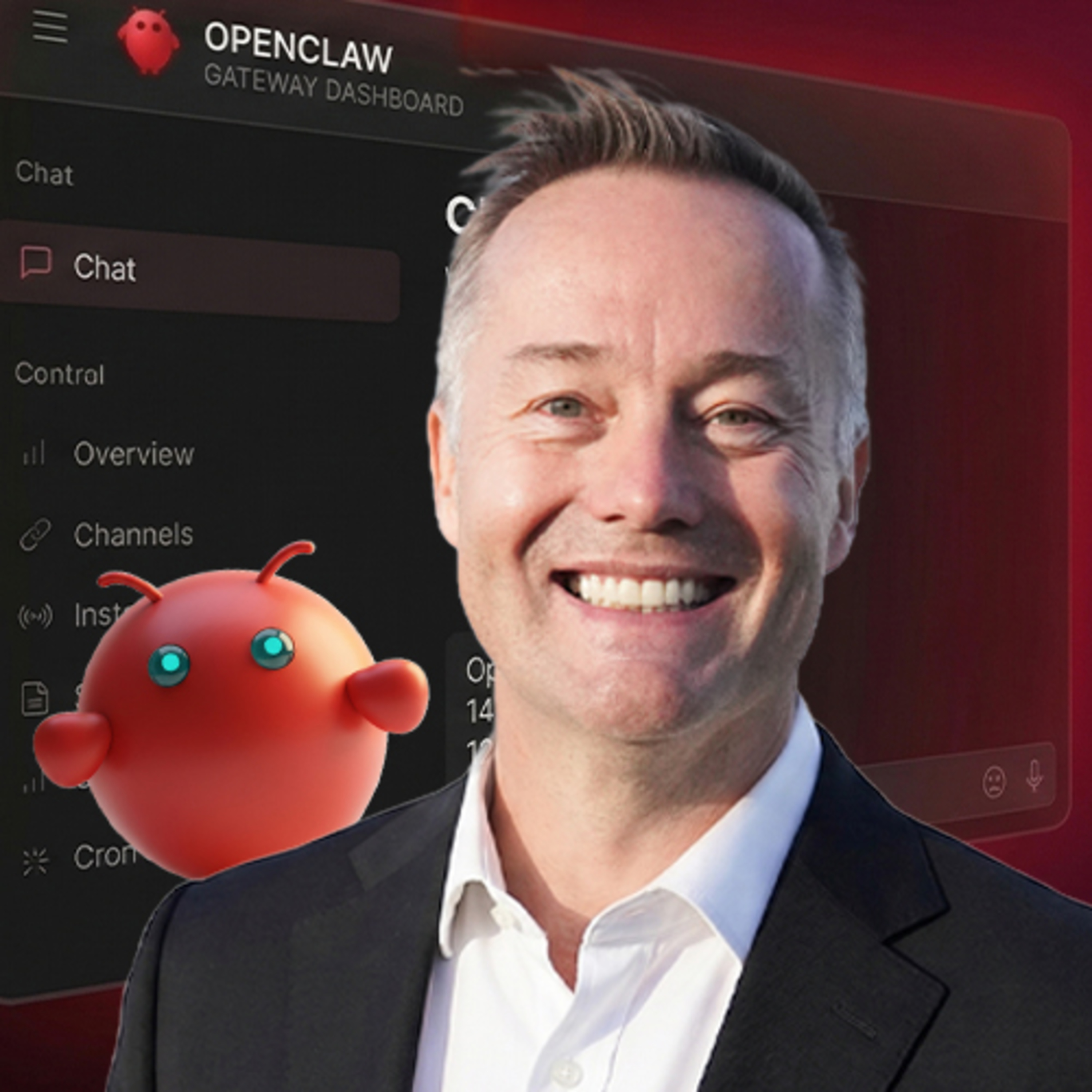
Instead of building a traditional communications team, OpenAI bought an existing media entity to foster constructive conversation about AI's impact, leveraging its established audience and editorial voice. This is a novel strategy for a major tech company.

By acquiring tech talk show TBPN, OpenAI turns an editorial voice into a marketing arm, instantly losing credibility. The strategy is also flawed, as it preaches to tech insiders who already use AI, failing to address the broader public's skepticism which is OpenAI's real perception problem.

Former NPR hosts explain that radio audiences often "tune in" by chance, creating a discovery model. Podcast listeners, however, actively choose to "spend time with" a specific host. This fundamental difference requires creators to build a direct, personal relationship with an audience that is already inclined to like them.
OpenAI's first acquisition, the TBPN podcast, was a strategic move to partner with a media entity that championed an ad-supported business model for AI. OpenAI needed a public advocate for advertising to counter the dominant fear-based narrative around AI and make its product accessible and palatable to a mass market.

Major media outlets like The New York Times and Wired have shifted from adversarial to 'advocacy' journalism, pandering to a specific viewpoint. Founders should avoid them and instead invest in building a direct relationship with their audience through long-form podcasts and social media to control their own narrative.
While online feeds are open to everyone, legacy media acts as a gatekeeper to large, distinct audiences. Figures like Dave Ramsey dominate via radio. Tapping into these channels offers a unique distribution advantage by reaching bubbles of attention that new media doesn't touch.