Get your free personalized podcast brief
We scan new podcasts and send you the top 5 insights daily.
Forensic medium Carissa Schumacher applies the Hippocratic Oath to her work, refusing to engage in sensitive cases unless the spiritual connection is clear. This prioritizes the well-being of families over sensationalism, bringing medical-grade ethics to spiritual service.

Related Insights
Professionals like pastors, doctors, and nurses must override their natural disgust response to care for others effectively. By focusing on a higher goal like compassion, they can manage visceral reactions and provide help, demonstrating that purpose can be a powerful antidote to revulsion.
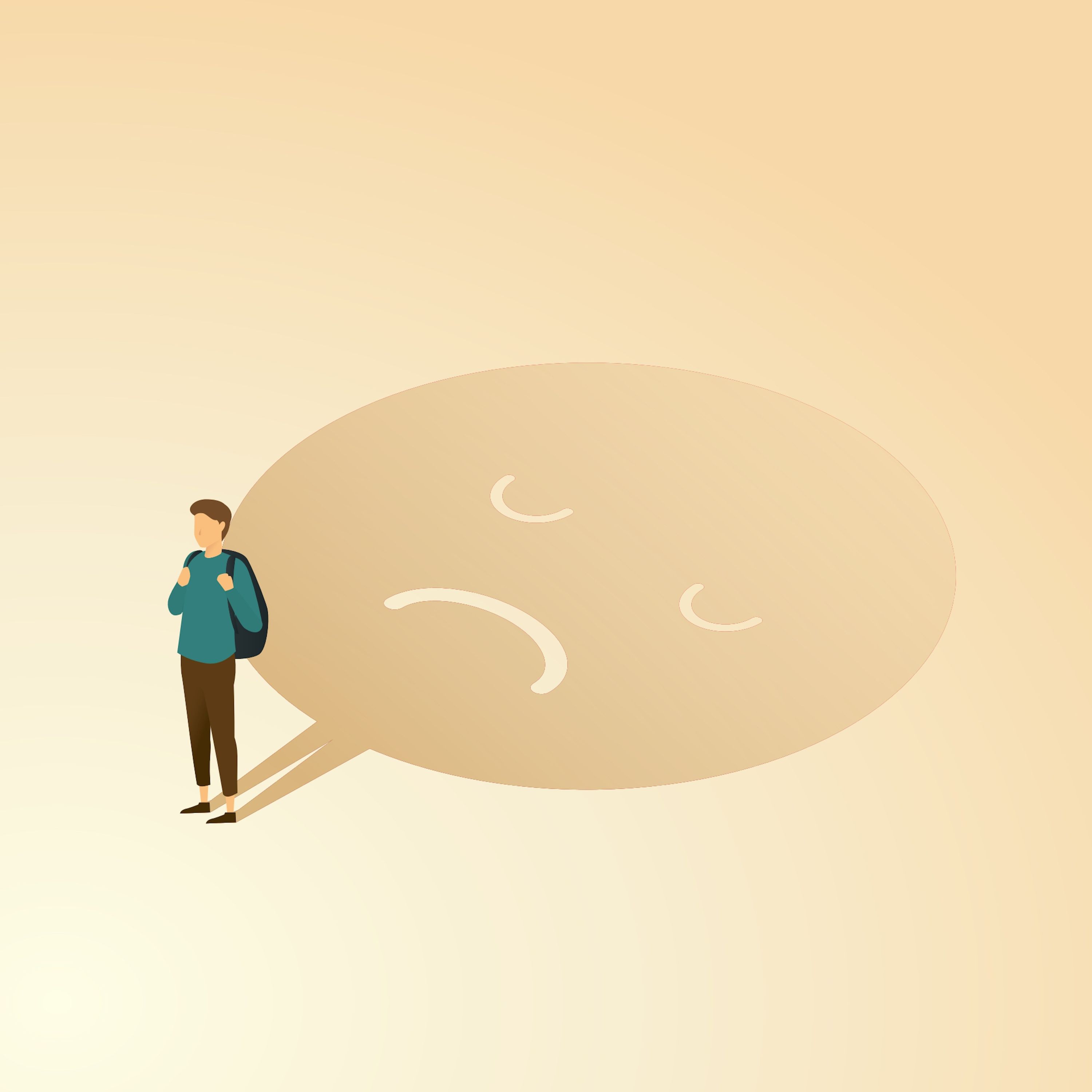
Dr. Smith reframes the doctor-patient relationship, stating that "doctors don't cure you—you cure you." The body has an innate ability to heal, and a doctor's function is to act as a facilitator, removing obstacles and providing support, rather than being the direct agent of the cure.

A common Ayahuasca experience is being confronted with your own life and suddenly feeling the agony your actions have caused other people from their perspective. This forces a deep moral reckoning and a desire to avoid repeating harmful behaviors.

Conventional wisdom says not to mix business with friendship (e.g., a surgeon operating on a friend). Dr. McLaughlin argues the opposite: if you are the best person for the job and you genuinely care, you are morally obligated to help. Your deep care becomes an asset, not a liability.
Early medical books integrated spirit and myth, acknowledging the soul's connection to the body. Author Darcy Steinke notes that modern medicine, in its clinical dryness, has lost this holistic perspective, which is crucial for understanding complex experiences like chronic pain that affect the body, mind, and spirit.

To quickly distinguish a competent psychedelic practitioner from a charlatan, ask about their protocol for adverse events or 'freak outs.' An experienced, honest guide will have a detailed answer, while someone who is inexperienced or dishonest will claim they never happen.

The traditional medical ethos prevents interventions on non-sick patients. This conservative approach may be irrational when low-risk therapies could add decades of healthy life, challenging the fundamental definition of when a doctor should act.
Because the healthcare industry's business model often profits from illness, it carries a unique ethical weight. This "sacred responsibility" demands an unwavering focus on the core mission: genuinely changing lives and easing suffering, rather than solely pursuing profit. This ethos should guide all corporate strategy.

Evidence is a critical input, but not the sole determinant of a decision. For instance, antibiotics are proven to clear infections, but a terminally ill patient may decline them based on their values. Evidence must always be combined with context, cost, and human values to reach a course of action.

Trying to "fix" someone implies they are broken, which is a disempowering projection. True healing occurs when you can be a calm, regulated, and present witness to their experience. This allows them to feel safe enough to find their own answers within themselves.