Get your free personalized podcast brief
We scan new podcasts and send you the top 5 insights daily.
After a devastating anchor deal collapsed, the intermediary who pitched it joined a hedge fund and gave Madison its next opportunity: a JV to buy and restructure distressed loans. This pivot, born from failure, allowed them to capitalize on banks offloading bad debt and became a core part of their growth strategy.
Related Insights
The classic distressed debt strategy is broken. Market dislocation windows are now incredibly narrow, often lasting just days. Furthermore, low interest rates for the past decade eliminated the ability to earn meaningful carry on discounted debt. This has forced distressed funds to rebrand as 'capital solutions' and focus on private, structured deals.

Recognizing that banks poorly served the private credit industry's need for leverage, Madison created a new business line to provide back-leverage to other private lenders. This "lender to the lenders" model, underwriting each asset individually, has become a massive, scalable growth engine competing directly with major investment banks.
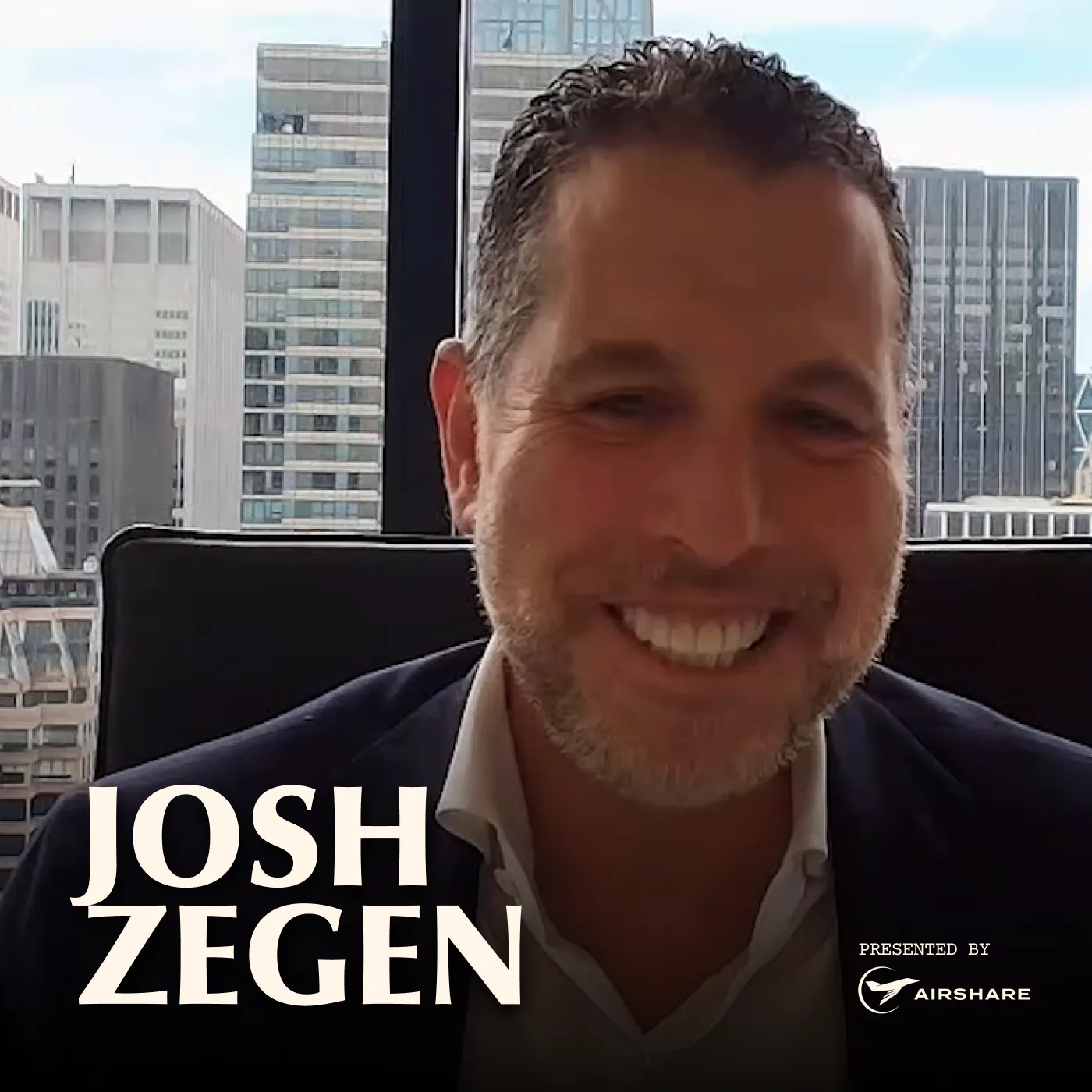
Madison Realty Capital was born from a single urgent $3M loan request that a bank couldn't close in time. This revealed a huge, non-institutional market for fast, special-situation financing, which founder Josh Zegen then structured into a fund, transforming "hard money" lending into a scalable asset class.
With fewer traditional credit cycles, the most fertile ground for distressed investing lies in industry-specific downturns caused by technological or policy shifts. These "microcycles" offer opportunities to invest in good companies working through temporary, concentrated disruption.

Instead of selling equity for personal liquidity, Madison's founders sold a 10% GP stake to a strategic investor. This capital and partnership provided the credibility and firepower needed to compete against giants like Blackstone and Apollo in the M&A market, enabling them to acquire other asset managers.
After working out 22 distressed joint ventures during the GFC, the key lesson was that partner quality dictates outcomes more than the deal itself. When things go wrong, good partners collaborate to find solutions, while bad partners create conflict, making even a good deal untenable.

The 2008 crisis revealed a fatal flaw in Madison's open-ended fund structure, which was ill-suited for private credit. For their second fund, they pivoted to a closed-end model. This forced them to completely replace their existing LPs with a new, more stable institutional base of pensions and endowments.
The current pressure on direct lending is creating opportunities in other, previously quiet corners of private credit. Strategies like special situations, opportunistic funds, and mezzanine financing will see increased activity as companies needing to refinance or secure more capital find traditional avenues less accommodating.

The 2008 financial crisis created opportunities to buy discounted corporate debt, making Apollo realize that providing capital (credit) is fundamentally linked to providing equity in leveraged situations. This insight led them to build their now-massive integrated platform.
At their lowest point in 2009, Madison agreed to give up 50% of the firm for a $50M anchor commitment from a REIT that refused to cover overhead. When the REIT backed out, it felt devastating but ultimately prevented a catastrophic dilution of the business, highlighting the danger of negotiating from weakness.