Get your free personalized podcast brief
We scan new podcasts and send you the top 5 insights daily.
Starter Story discovered their audience of aspiring founders preferred one-time payments for bootcamps over recurring subscriptions. These customers are in a temporary, goal-oriented mindset ("start a business now") and are more willing to make a single, high-value purchase than commit to an ongoing membership.

Related Insights
Attract customers with a heavily discounted first month or term. Simultaneously, charge a substantial one-time setup fee. This strategy liquidates acquisition costs and generates immediate cash flow while the discount drives initial interest, solving two problems at once.

If your monthly SaaS attracts project-based users who churn quickly, don't let them corrupt your core metrics. Create a separate, expensive one-time payment plan. This isolates their predictable churn, protecting your subscription metrics for investors and potential acquirers.

Service businesses with delayed LTV can improve immediate cash flow by offering bundled, one-time services (e.g., setup, moving, supplies) at signup. Customers are less sensitive to these initial costs than to higher recurring fees.

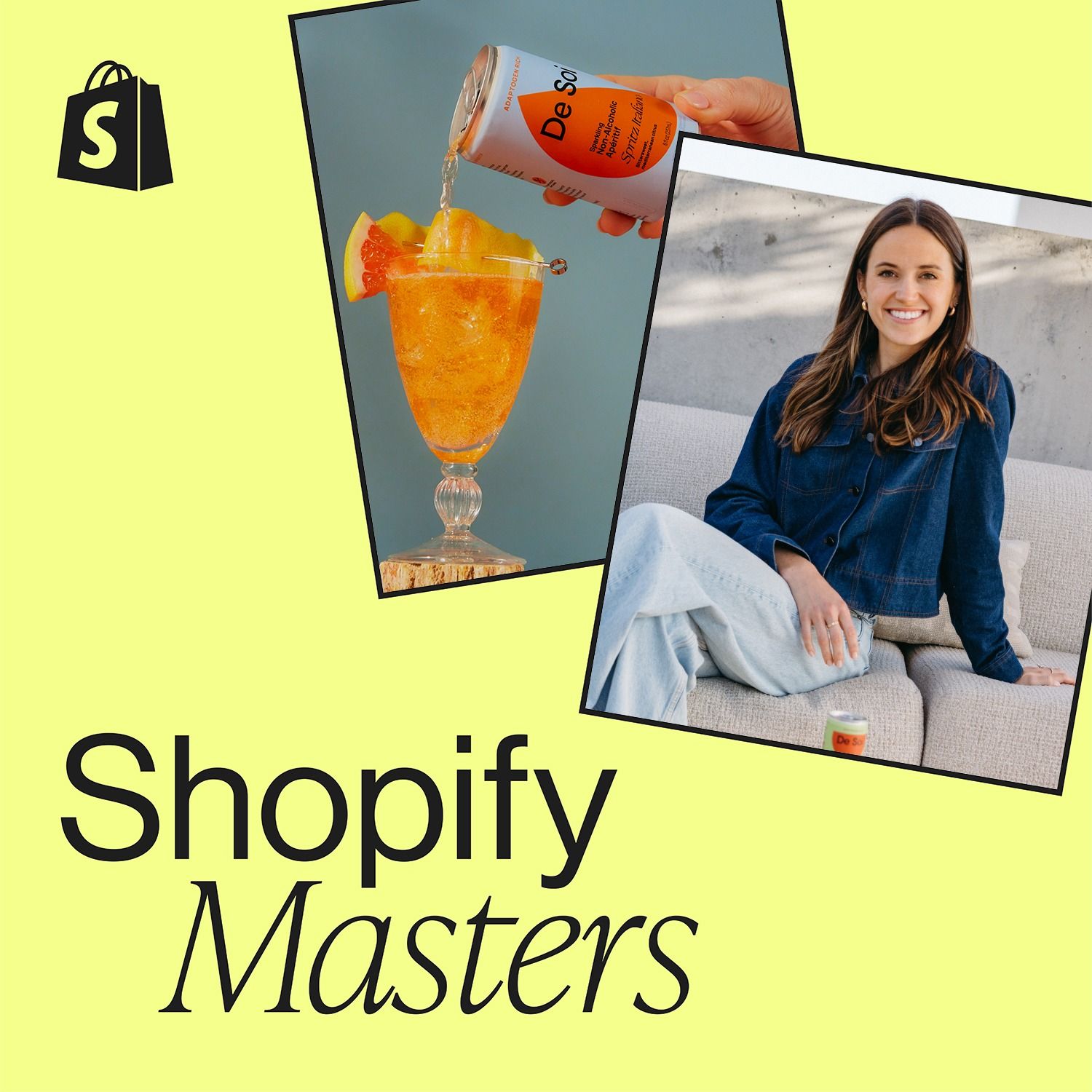
De Soi aggressively targets customers who have purchased more than once but haven't subscribed. By offering them a "sick deal," they make subscribing a no-brainer. This focus on a specific high-intent cohort was key to jumping from a 15% to over 40% subscriber rate on first purchases.
The company initially used a one-time payment plan, resulting in low customer lifetime value. Switching to a recurring subscription model, even for a product with natural churn, massively increased revenue and LTV by capturing more value over time from each customer.

For services requiring customer participation to be successful (e.g., coaching, setup processes), a one-time startup fee ensures commitment. This financial investment makes customers more likely to complete required tasks and pay attention, ultimately improving their results.
Contrary to its reputation as a subscription platform, OnlyFans' CEO reveals that one-off, pay-per-view purchases now account for 67% of its revenue. This indicates a significant, under-the-radar shift in consumer behavior toward a la carte content consumption over recurring commitments, even on platforms known for subscriptions.

A significant one-time startup fee increases a customer's initial investment and creates a psychological barrier to leaving. This counterintuitive strategy can drastically reduce churn and increase lifetime value, as customers feel they have more to lose by canceling.
Education provides one-time value, so it shouldn't be a recurring charge. Customers churn once they've learned the skill. Instead, sell education as a high-ticket, one-time product and offer community or ongoing services as a separate, lower-priced subscription. This aligns billing with value delivery.
Education-based businesses struggle with churn because knowledge, once learned, has diminishing value. To build a sticky subscription, you must offer "consumable" value—something that is used up and needs replenishing, like weekly market data, new ad creative, or trending product blueprints. This creates a reason to keep paying.