Get your free personalized podcast brief
We scan new podcasts and send you the top 5 insights daily.
The method you choose to scale (hiring, productizing, pricing) determines your company's core competency. Hiring makes you a recruiting firm; productizing makes you a marketing firm; raising prices makes you a branding firm. Choose based on the problems you want to solve long-term.

Related Insights
Stop asking "how" to solve a problem and start asking "who" is the right person to solve it. Shifting your mindset to hiring A+ players who can take ownership of outcomes is the key to unlocking the next level of growth and freeing up your own time.

Founders often believe they can hire one "integrator" (like a COO) to handle all operational details. This is a myth. True scaling requires hiring specific, talented functional leaders (e.g., Head of Sales, Head of Product) who can solve a single, major business constraint, not a generalist helper.
Resist hiring quickly after finding traction. Instead, 'hire painfully slowly' and assemble an initial 'MVP Crew' — a small, self-sufficient team with all skills needed to build, market, and sell the product end-to-end. This establishes a core DNA of speed and execution before scaling.

If hiring more people isn't increasing output, it's likely because you're adding 'ammunition' (individual contributors) without adding 'barrels' (the key people or projects that enable work). To scale effectively, you must increase the number of independent workstreams, not just the headcount within them.
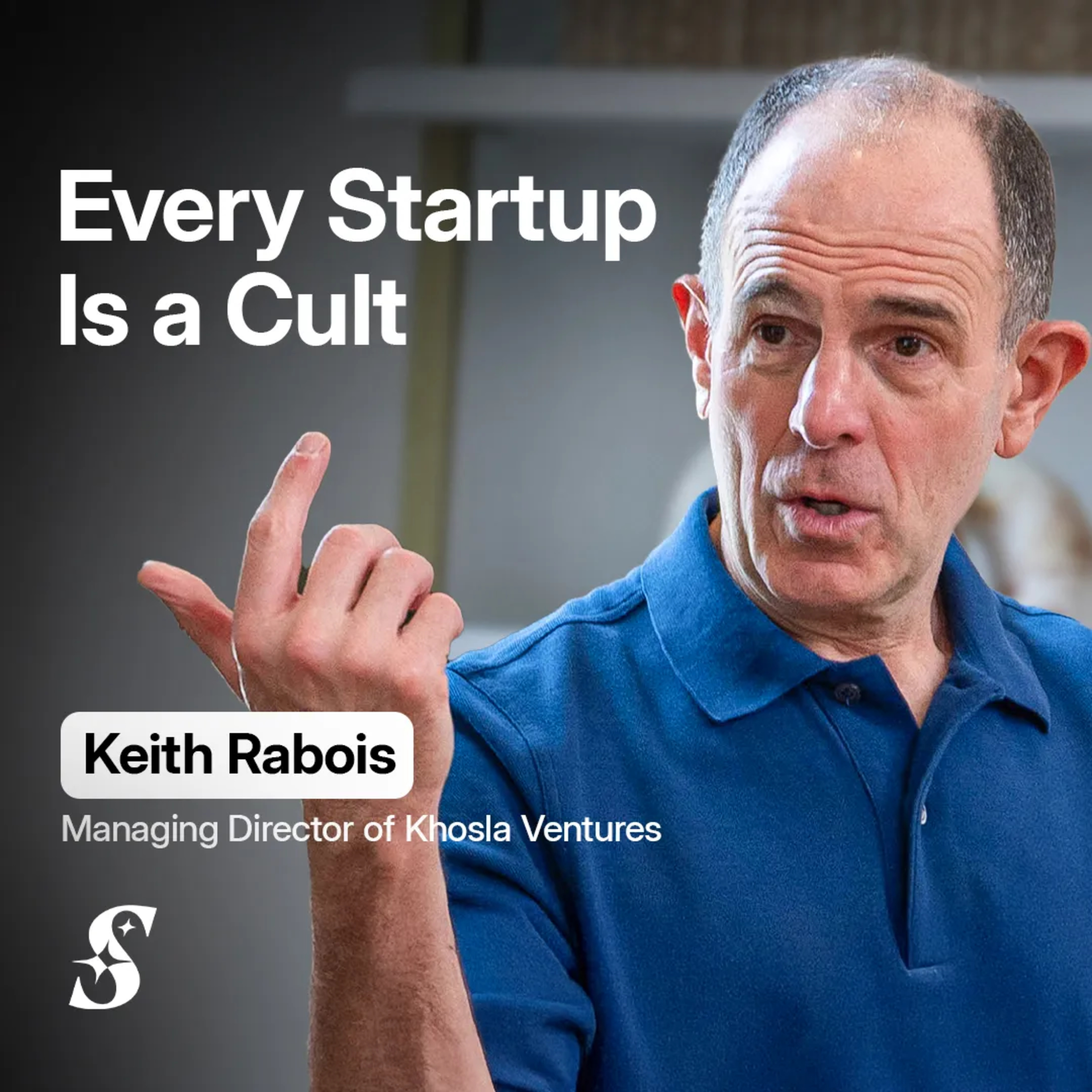
To scale from 100 to 1,000+ employees, you must stop interviewing everyone. Success depends entirely on the cultural foundation built with the first 100 people. By personally hiring and imbuing them with the company's core values, you create a group of leaders who can replicate that culture as the organization expands.

A skilled practitioner has two paths: remain a technician and continually raise prices due to high demand (the artist), or become an owner who builds systems, hires others, and scales (the businessman). This is a fundamental, distinct choice that dictates your entire business strategy.
To scale effectively, resist complexity by using the 'Scaling Credo' framework. It mandates radical focus: pick one target market, one product, one customer acquisition channel, and one conversion tool. Stick to this combination for one full year before adding anything new.

Founders are "unicorns" with unique skill sets impossible to hire for in a single person. To scale and remove yourself as a bottleneck, break your responsibilities into their component parts (e.g., sales, marketing, product) and hire specialists for each, assembling a team that approximates your output, even at a lower margin.
Business growth isn't linear. Scaling up introduces novel challenges in complexity, cost, and logistics that were non-existent at a smaller size. For example, doubling manufacturing capacity creates new shipping and specialized hiring problems that leadership must anticipate and solve.
Scaling a company isn't linear. Founders first achieve Product-Market Fit. The next stage is "Company-Market Fit," building organizational structures for growth. Crucially, they must then cycle back to reinventing the product to stay ahead, rather than just managing the machine they built.