Get your free personalized podcast brief
We scan new podcasts and send you the top 5 insights daily.
Instead of users needing a separate app for every task, future agents will generate complex, purpose-built interfaces dynamically. Instinct's "files feature" can send a full web application for a trip itinerary. This suggests a future where a single agent interface replaces millions of static applications.
![Noah Shinn - Building Instinct: The Personal Agent - [Invest Like the Best, EP.493] thumbnail](https://megaphone.imgix.net/podcasts/ef669774-cccd-11ed-889b-c36caad6646f/image/158efdddfb983d2678b3530d484e8aa2.jpg?ixlib=rails-4.3.1&max-w=3000&max-h=3000&fit=crop&auto=format,compress)
Related Insights
Instead of using complex configuration files, the future of software involves users simply telling an AI agent what they want, and the agent rewrites the software to fit. This creates a truly malleable 'n of 1' experience, where applications mold themselves to each user's unique workflow through natural language.

A single, context-aware AI assistant with access to various APIs will replace dozens of specialized apps for tasks like fitness tracking, to-do lists, or flight check-ins. Users will interact conversationally with their assistant, rendering most single-purpose apps redundant.

Context-aware personal agents will subsume the functions of many standalone apps, such as fitness or calorie trackers. An agent that already knows a user's location, schedule, and goals can perform these tasks more seamlessly, reducing many current apps to mere APIs for the agent to consume.
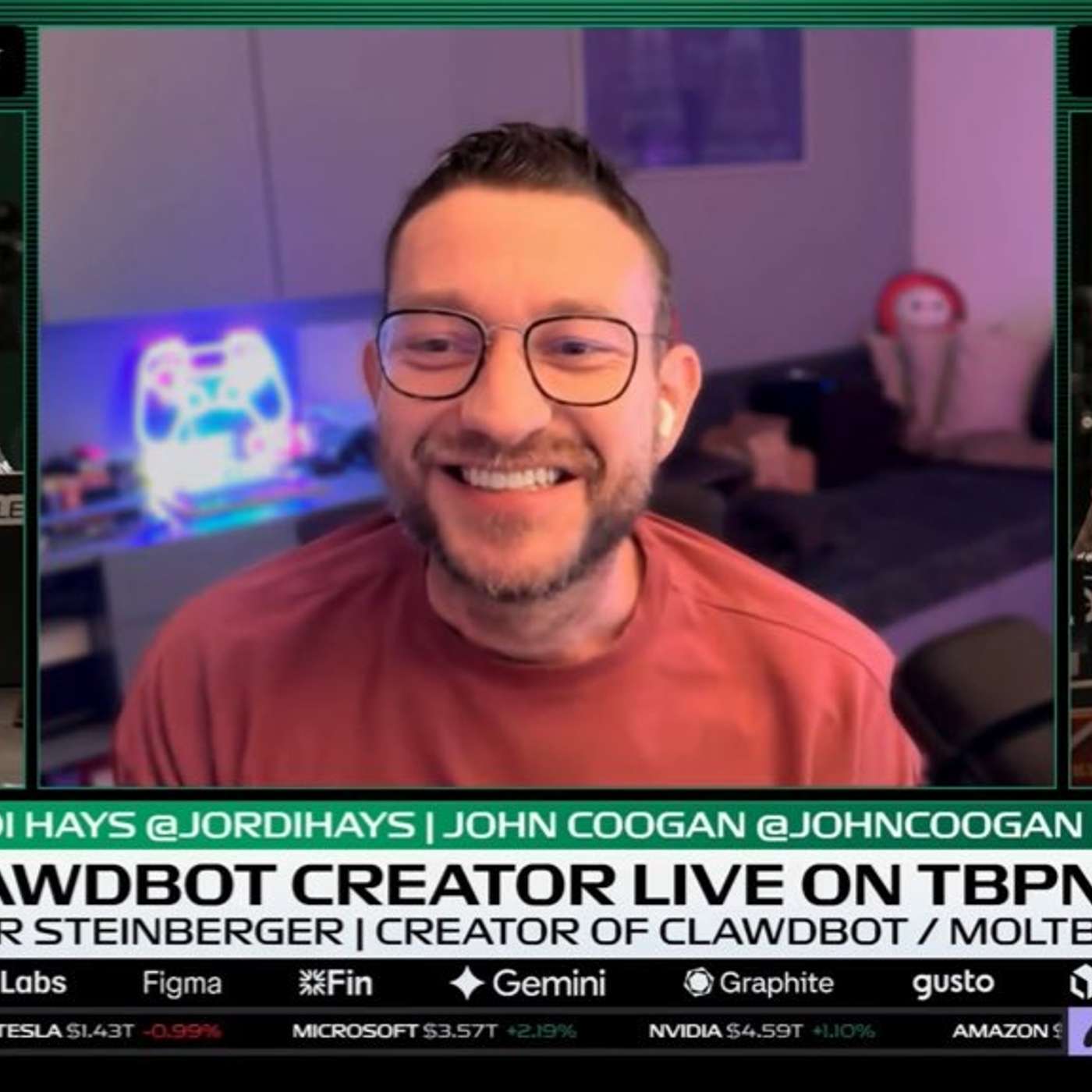
Karpathy's home automation agent ("Dobby") replaced six different apps by interacting directly with smart device APIs. This suggests a future where users interact with a single agent, and software products must expose agent-friendly APIs to survive, as their bespoke UIs become irrelevant.
AI is moving beyond chat interfaces to generate simple, personalized UIs or "mini apps" connected to agents. This allows non-technical users to spin up bespoke software dashboards for their specific needs, like a project status tracker, heralding an era of accessible, truly personal software.

Tasklet's new feature generates UIs on the fly from a single prompt, validating their initial fear that led them to pivot from a specialized AI email client. This capability suggests that general-purpose agents will soon be able to replicate and replace most specialized SaaS application interfaces.

As personal AI agents become more capable, they could render the current smartphone OS, with its "wall of apps," irrelevant. Instead of clicking icons, users will just tell their agent what to do. This shifts the primary interface from the screen to voice/text, threatening the core value of platforms like iOS.

Vanta is moving beyond chat-based AI to develop agents that can generate entire, task-specific user interfaces on the fly. This "on-demand software" can guide a user through a workflow with a custom-built UI that disappears once the task is complete.

Users will stop interacting with countless individual apps and websites. Instead, they'll communicate with a personal AI agent that handles tasks by interfacing with services via APIs, making traditional graphical user interfaces obsolete.

Today's phones and computers are fundamentally flawed interfaces for AI. The next paradigm will move beyond apps. It will be an AI-native operating system that abstracts tasks, maintains persistent memory, and allows users to accomplish goals through natural language, making the app store obsolete.
