Get your free personalized podcast brief
We scan new podcasts and send you the top 5 insights daily.
The private aviation market's growth, accelerated by COVID, is sustained by the product's inherently 'addicting' nature. Once consumers experience the convenience and efficiency, it becomes psychologically difficult to revert to commercial flying, creating extreme customer loyalty and retention.

Related Insights
The old heuristic of matching customers to charter or fractional ownership based on annual flight hours is no longer relevant. Today, decisions are driven more by preference for ease and predictability over pure economics, with some high-frequency fliers choosing the simpler fractional model against economic advice.

Reliable, high-speed internet is no longer a luxury but a baseline expectation in private aviation. The introduction of Starlink has made it a "game changer" to the point where clients will turn down a flight if the aircraft isn't equipped with it, prioritizing productivity and connectivity.
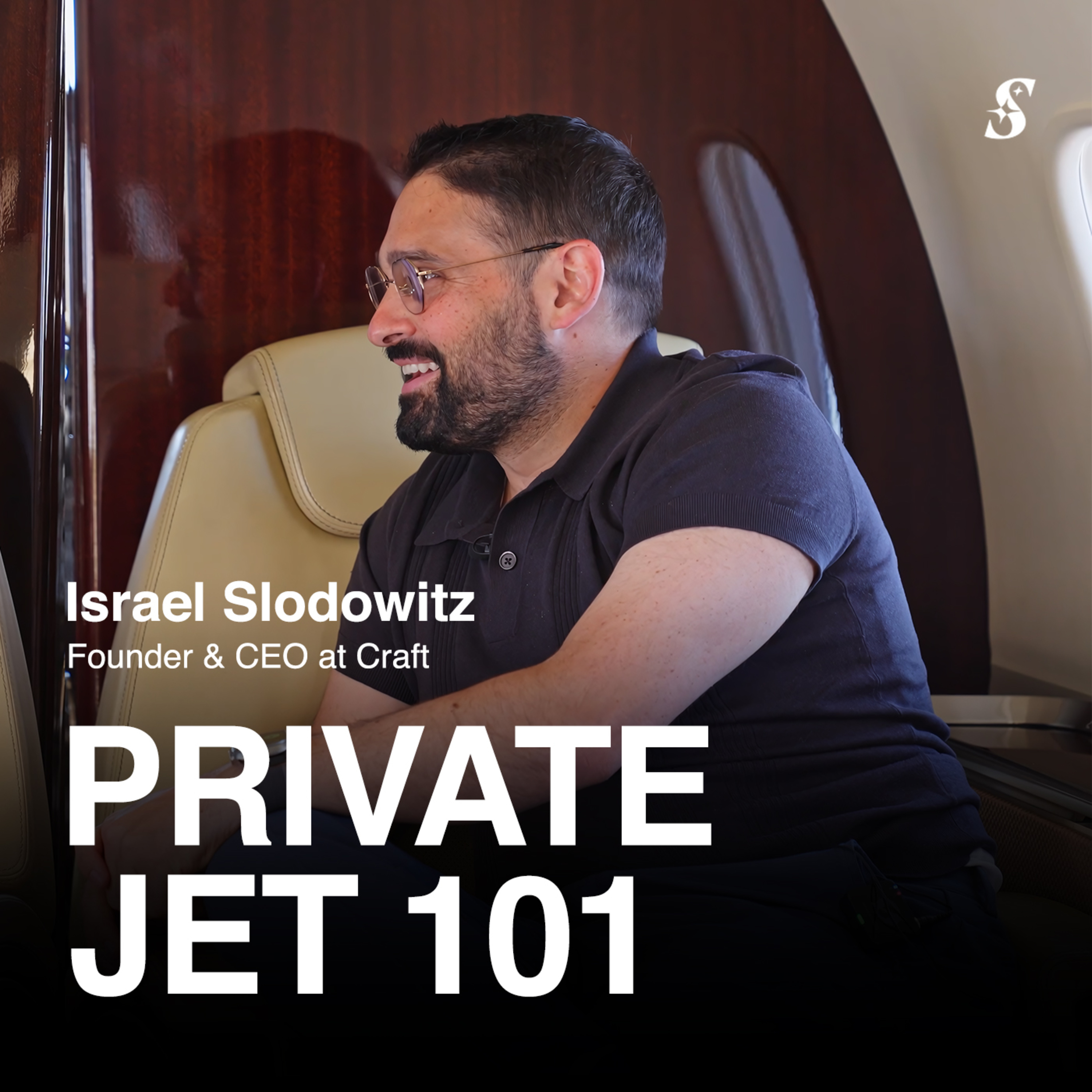
Post-pandemic data reveals a fundamental shift in consumer behavior: travel is no longer a discretionary luxury. It now ranks as a spending priority just after groceries and household staples for the average consumer, and it's the number one spending priority for high-income individuals, underpinning the ecosystem's stability.

In an industry where customers primarily choose based on price, loyalty programs and co-branded credit cards are a crucial tool. They introduce switching costs, creating a high-margin, stable revenue stream and encouraging repeat business in an otherwise commoditized service.

Unlike previous generations who began with charters or light jets, today's newly wealthy are entering the private aviation market by purchasing larger, more capable aircraft like the Challenger 350 from the outset, completely bypassing the traditional entry-level options.
The surge in private aviation during COVID wasn't a temporary trend. New customers who tried it for safety or convenience have largely stuck with it, creating a lasting market expansion. This is evidenced by multi-year backlogs for new aircraft deliveries, even five years later.
The fractional ownership model is growing fastest because it offers the benefits of private flight without the operational headaches of whole ownership. Customers pay fixed fees and avoid surprise costs, an appealing proposition even for those who could afford their own plane but prefer simplicity.
The private aviation market is so supply-constrained that certain desirable used aircraft, like a 2012 Phenom, are selling for the same price they were purchased for new over a decade ago. This extreme value retention reflects both the durability of the aircraft and the unprecedented post-COVID demand.
The industry's infrastructure—from manufacturing to pilot training—is not built to scale. A tiny increase in demand from new wealth creates massive bottlenecks, causing pilot shortages and, for the first time ever, making depreciating assets like jets increase in value.
The conventional wisdom is to buy a jet if you fly over 250 hours a year. However, the new generation of wealthy clients prioritizes simplicity and avoids complexity, often choosing to charter well beyond this point to avoid the operational headaches of ownership, even at a higher cost.