Get your free personalized podcast brief
We scan new podcasts and send you the top 5 insights daily.
Conventional design starts with a concept and then finds materials. Inder Betty inverts this model. He first identifies available waste materials—like discarded airline seats or seatbelts—and then designs a product that can be created from that "junk." This constraint-based approach is core to his sustainable brand.

Related Insights
Betty Studios' trade-in program isn't just a sustainability initiative; it's a customer acquisition channel. By refurbishing and reselling used items, the brand attracts a dedicated segment of "thrifters" who exclusively buy secondhand. This captures a new customer base while ensuring products don't end up in landfills.
Recycling is often the most difficult, polluting, and energy-intensive way to extend a product's life. The environmental hierarchy should be "Reduce, Reuse, Recycle," yet we default to recycling first. Refurbishing and repairing products is far more efficient, cheaper, and better for the planet.

The founder, an architectural designer, applied design principles typically used for glamorous city projects to overlooked areas like waste management. This unique perspective led to a novel approach for capturing microplastics, a problem traditionally left to scientists.

For early R&D, don't waste time designing custom components in CAD. Instead, buy existing products, tear them apart, and reuse their mechanisms. A simple tape measure can serve as a constant force spring, saving hours or days of design work and getting to a proof-of-concept faster.

Instead of starting with a blank slate, Nike's team prototypes new ideas by physically cutting and modifying existing products. This "cobbling" method enables rapid, low-cost testing of core concepts before investing in new designs and expensive molds, allowing them to fail fast and forward.

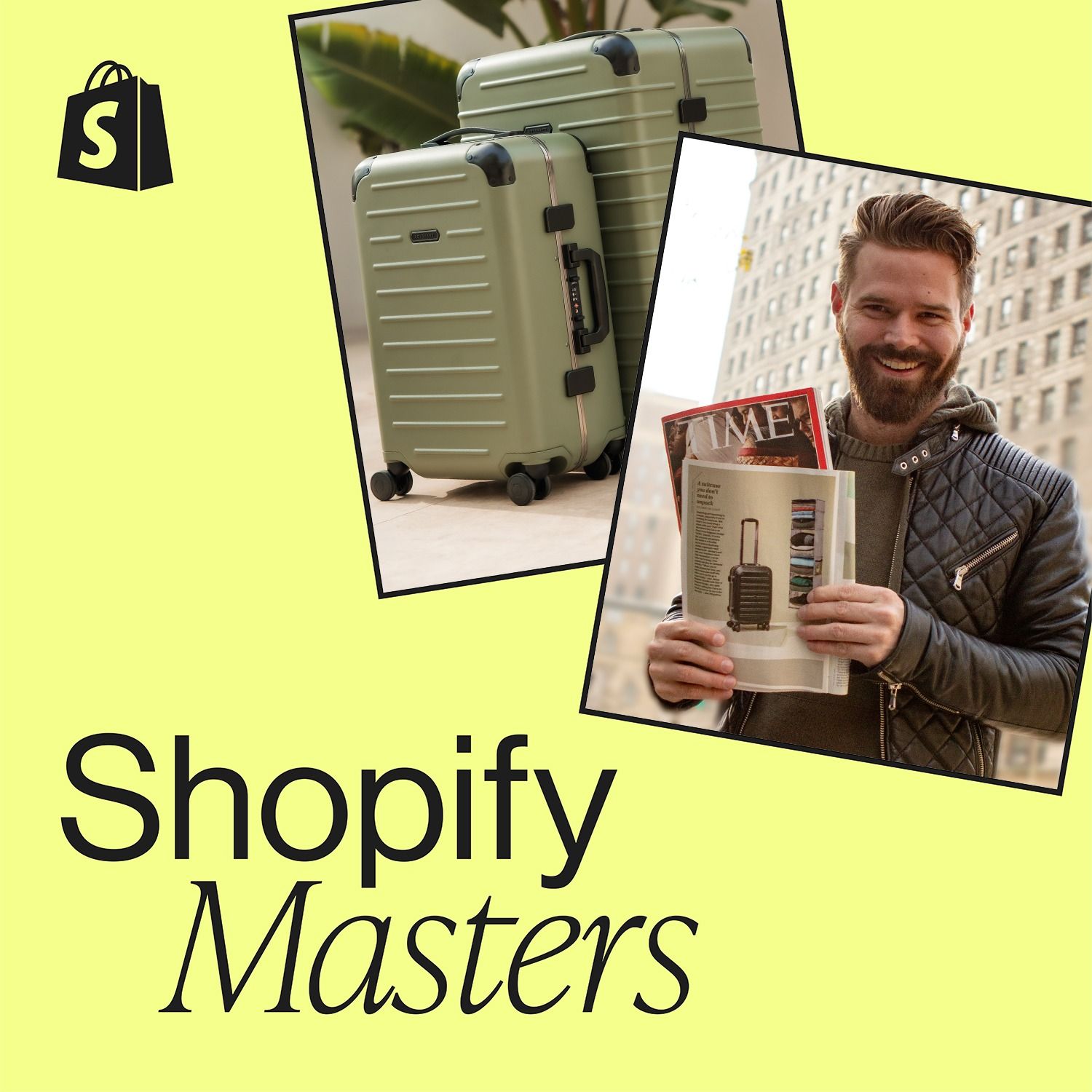
Solgaard's founder Adrian Solgaard prototypes new physical products using simple materials like cardboard and duct tape. This "make it work, then make it good" approach, rooted in Scandinavian design, prioritizes function over form in the early stages, making innovation less intimidating.
Sustainable brand Repurpose only launches products that satisfy three core criteria: performing as well as conventional alternatives, being genuinely sustainable (third-party certified), and maintaining an affordable price point for mass-market appeal. This trifecta is non-negotiable for any product bearing their brand name.
To radically reimagine its linear production model, Coach created Coachtopia as an internal startup. This separate entity was freed from legacy structures, allowing it to take bigger risks in circular design and incubate new processes that could eventually be scaled and integrated back into the main brand.

Instead of buying expensive, custom-built lab equipment, Shelter Skin creatively repurposed machinery from the food and beverage industry, like bakery mixers and milk pasteurizers. This resourceful approach enabled them to scale production on a bootstrapped budget, proving ingenuity can replace capital.

The default instinct is to solve problems by adding features and complexity. A more effective design process is to envision an ideal, complex solution and then systematically subtract elements, simplify components, and replace custom parts. This leads to more elegant, robust, and manufacturable products.