Get your free personalized podcast brief
We scan new podcasts and send you the top 5 insights daily.
Contrary to their reputation, biotech VCs are highly risk-averse. A successful pitch must focus on demonstrating how key scientific and business risks have already been mitigated for the company's current stage, making the investment appear safer.

Related Insights
Investors without a scientific background can de-risk biotech portfolios by avoiding early-stage "science projects" (Phase 1-2). Instead, they should focus on companies that have completed Phase 3 trials. This strategy shifts the primary risk from unpredictable scientific development to more analyzable commercial execution.

In cautious markets, biotech VCs aren't writing smaller checks; they are committing to larger rounds structured in tranches. This guarantees future capital if milestones are met, reducing financing risk. Founders must now present a comprehensive path to clinical proof of concept, not just a development candidate, to secure these large commitments.

To secure investment in the high-risk neurodegeneration space, companies must avoid significant 'leaps of faith.' A key de-risking factor is applying novel modalities to clinically validated pathways. This provides a stronger scientific foundation than pursuing a completely unproven biological hypothesis, making the venture more compelling to investors.

In today's tightened market, a brilliant scientific platform isn't enough to secure investment. Investors have shifted to a product-focused lens, requiring founders to present a clear, detailed pathway from their idea to an approved drug. This includes defining the unmet medical need and outlining the proposed clinical trial design from day one.

To attract investment, founders must translate their science into a business case. This involves articulating the target customer, go-to-market strategy, cost structure, and value proposition. Investors back ventures that connect three key elements: strong science, a clear clinical need, and a credible business model.
Scientific founders must shift from detailing R&D progress to telling a compelling story. Investors are less moved by specific experimental results and more by the vision of a platform technology at the cusp of major trends (like SynBio and AI) that can generate a continuous pipeline of future therapies.
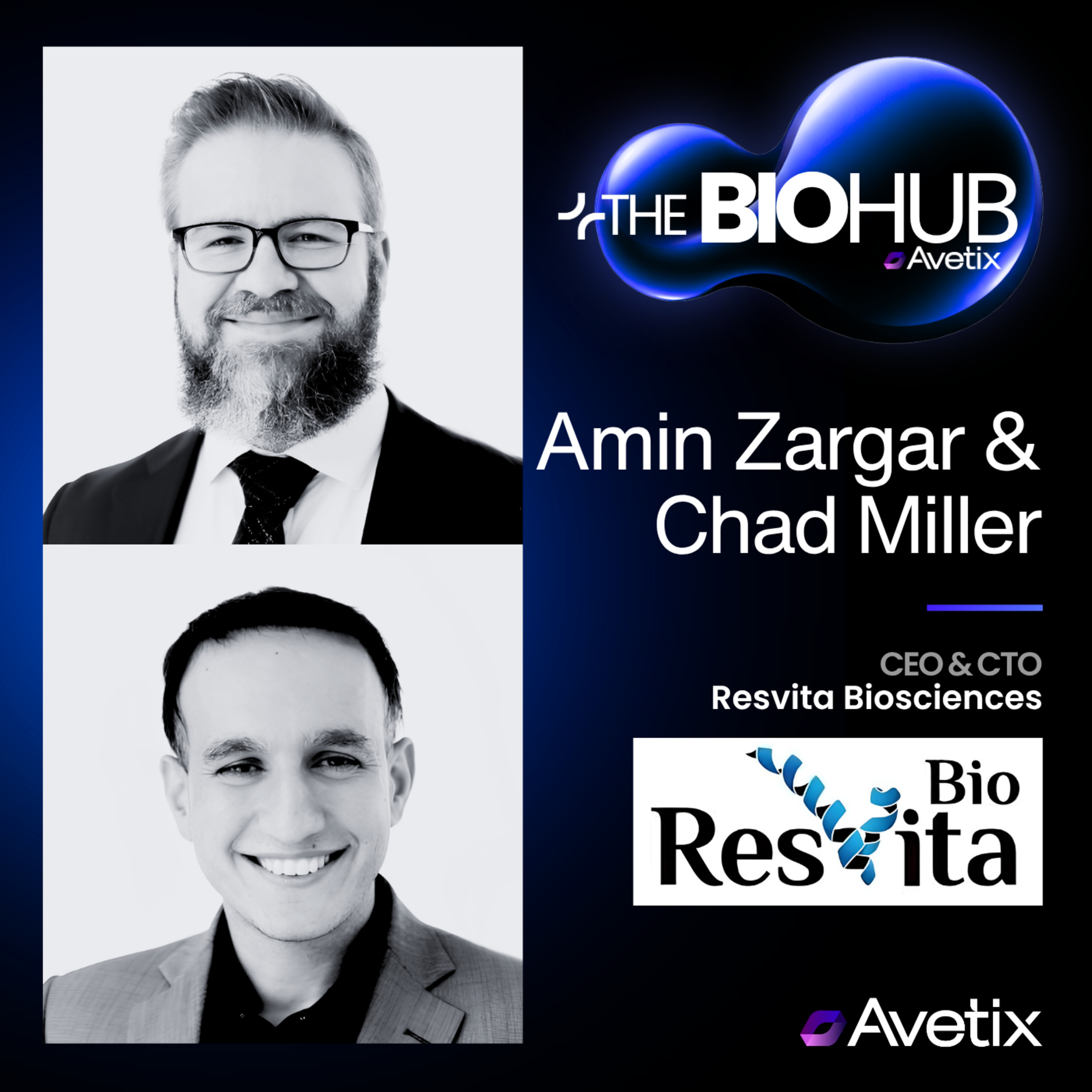
Small biotechs face a paradox: they must pursue highly innovative, risky science to differentiate themselves, as "me-too" drugs won't attract investment. The key to survival is managing this high scientific risk with strategies that provide fast, capital-efficient data for go/no-go decisions.

While passion for helping patients is a powerful motivator, founders must learn to frame their pitch around value creation for investors. This means explicitly connecting the science and clinical benefit to the commercial market, reimbursement strategy, and ultimate financial return for their limited partners.
Scientific failure is an acceptable risk in biotech, but failure from preventable errors like poor trial design, regulatory oversights, or market access neglect is not. A key role for a VC is to provide expertise to mitigate these “bad” reasons for failure, ensuring capital is spent testing the core scientific hypothesis, not on operational mistakes.
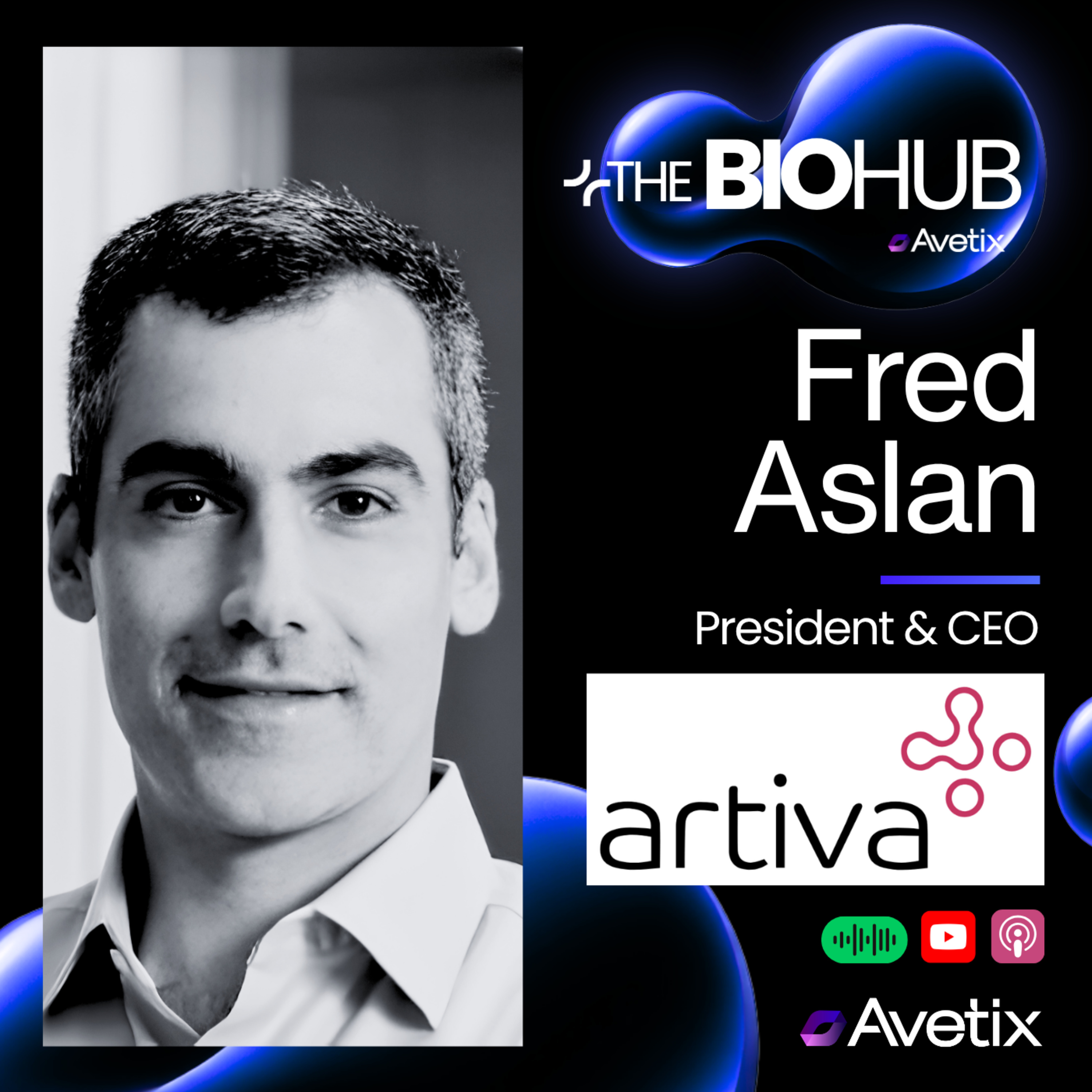
CEO Fred Aslan categorizes biotech ventures by their primary challenge: "biology risk" (the science is unproven) or "execution risk" (the science works, but market and operational challenges are high). He was attracted to Artiva because its NK cell therapy was an execution play on the de-risked biology of B cell depletion, focusing on access, cost, and scalability.