Get your free personalized podcast brief
We scan new podcasts and send you the top 5 insights daily.
Drawing from her own experience, Clinton argues that for the 2028 Democratic presidential nominee, qualities like policy and charisma are secondary. The single most important factor Democratic primary voters must consider is a candidate's ability to win the Electoral College.

Related Insights
Nate Silver predicts that Alexandria Ocasio-Cortez has a real chance to win the 2028 Democratic nomination. She could position herself as an outsider fighting a tired establishment, similar to Trump's 2016 campaign, capitalizing on voter fatigue with the party's mainstream figures.

The core structural threat to political incumbents is now from primary challengers, not the general election. This forces candidates to appeal to their party's most extreme base rather than the median voter, creating a system that structurally rewards polarization and discourages broad-based governance.

In a "jungle primary," where the top two candidates advance regardless of party, having too many strong candidates is a liability. They can split the vote, allowing two minority party candidates to win. This requires strong party leadership to intervene and consolidate support behind one person.

Extreme polarization is the single most powerful force in US elections. Nate Silver argues that this "gravity" of partisanship is so strong that we can already predict with 97% confidence how the vast majority of states will vote in the 2028 presidential election, regardless of the candidates.
Analyzing Michigan's Senate primary, Clinton posits that a candidate's ability to connect with voters through screens and online performance is becoming the primary driver of success, even over a strong record of policy achievements.
Despite a progressive platform and diverse voter base, the Democratic Party's actual choice for presidential nominee consistently reverts to a traditional archetype. Scott Galloway argues the only reliable bet is that they will nominate a "white heterosexual male over six feet tall."

Emanuel critiques both Trump and Biden as restorationist leaders focused on a past that's 'not coming back.' He posits the next winning presidential platform must pivot away from nostalgia and offer a concrete plan for the future.

Buttigieg suggests that crowning Kamala Harris as the nominee without a competitive primary was a strategic error. He argues that a primary process, while messy, sharpens candidates and strengthens them for the general election. By avoiding this test, the party may have fielded a weaker nominee.
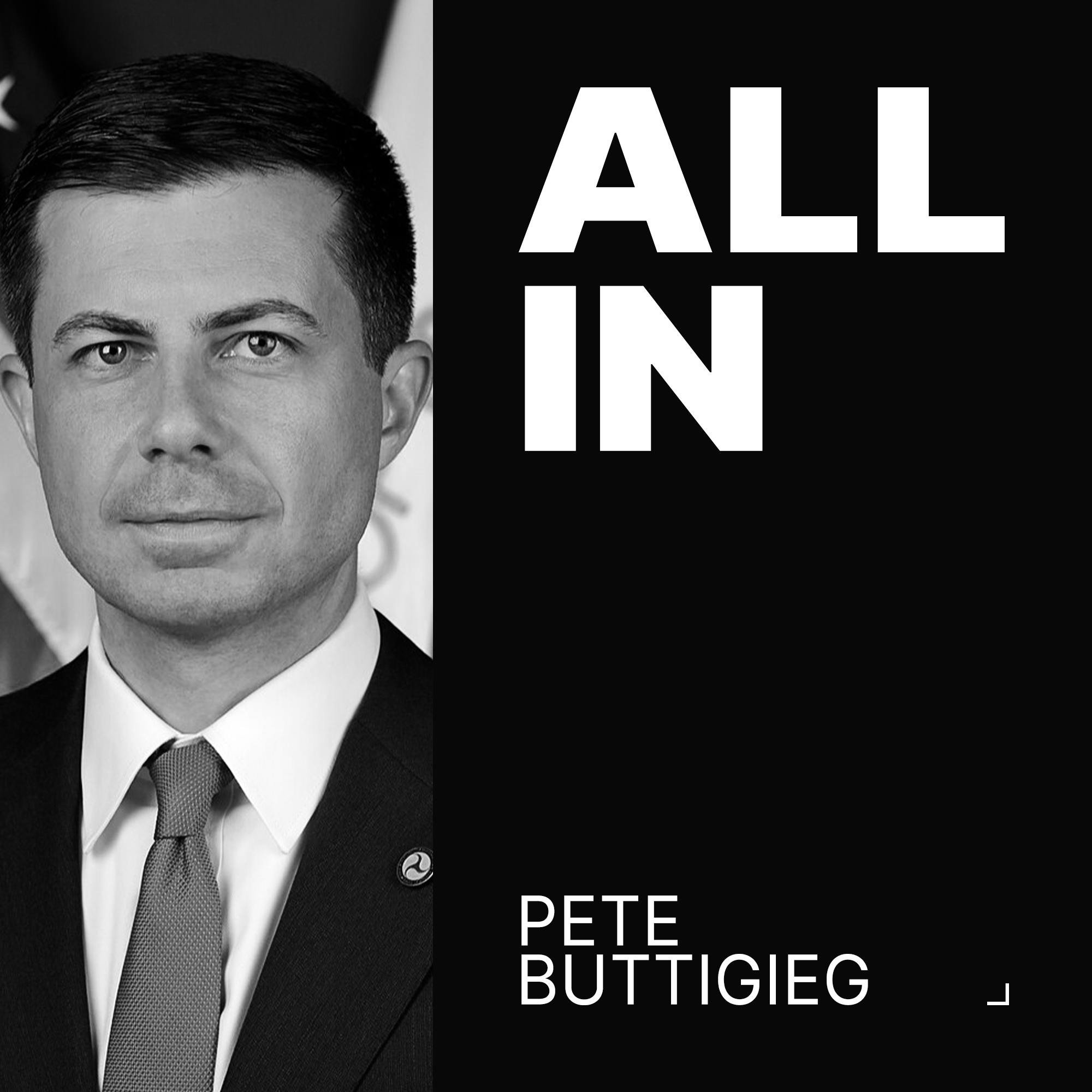
Rahm Emanuel predicts presidential politics will pivot away from Trump's persona. He argues the electorate will crave a mature leader focused on building the future, contrasting this with both Trump's and Biden's focus on restoring a past that is not returning.

Clinton points out an asymmetry within the Democratic party: progressives often don't support moderate primary winners, whereas moderates are expected to rally behind progressive victors. This creates a significant vulnerability for the party in general elections.